The Second Circle
1990
No user ratings available yet
Diversity score: 5.7 out of 10
1996
Director
Aleksandr Sokurov
Runtime
43 minutes
Average Rating
No ratings yetSynopsis
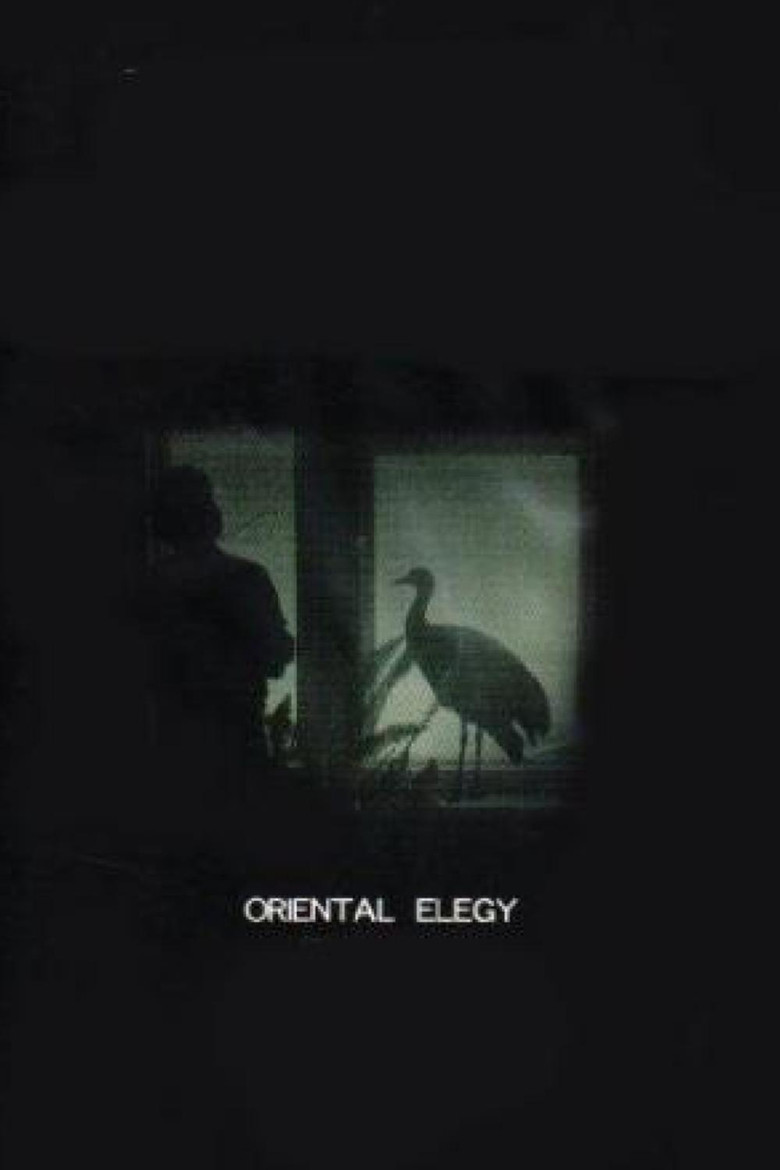
A surreal journey of a displaced spirit as he wanders in the interminable darkness through the temporal landscape of a quaint and isolated feudal-era fishing village. Guided by a series of faintly illuminated rooms, the wandering spirit comes upon ancient souls who take on physical forms as they recount their personal stories of daily existence, loss, and tragedy in the peasant community. Intrigued by his initial visit to a curiously distracted elderly woman, the spirit returns to her home in order to ask a fundamental question - "What is happiness?" - an existential query that is innocently answered with innate humility and accepted unknowingness.
Overall Score
Fair
Category Breakdown
LGBTQ+ Representation
The film functions as a surreal, existentialist journey rather than a character-driven drama. There is no explicit evidence of LGBTQ+ characters or non-cisnormative identities within the narrative.
Gender Representation
A pivotal encounter with an elderly woman positions her as the primary source of existential truth. This elevation of female spiritual agency subtly subverts traditional hierarchies that often reserve philosophical authority for men.
Racial & Ethnic Diversity
Set in a feudal-era fishing village, the film moves away from modern Western-centric urbanity. The focus on a peasant community suggests a narrative prioritizing localized, non-Westernized social structures.
Religious & Cultural Diversity
The film embraces a non-dogmatic worldview through its focus on innate humility and existentialism. Its surrealist structure critiques linear Western storytelling in favor of a fluid, spiritualized perception of existence.
Disability Representation
There is no mention of characters with visible or invisible disabilities in the narrative.
Strengths
Areas for Improvement
AI Analysis
Aleksandr Sokurov’s *Oriental Elegy* is a meditative study of the human condition that bypasses traditional social hierarchies through a surrealist lens. It avoids contemporary identity politics in favor of universal existentialism, focusing on the struggles of a peasant community. The film finds its strength in subverting conventional authority by granting spiritual agency to female characters and exploring non-Westernized social structures. However, it lacks explicit representation regarding LGBTQ+ identities or disability. Ultimately, the work achieves a progressive atmosphere by prioritizing the marginalized experience and a non-institutionalized understanding of morality.
1990
1997
1994
2010

1991
2011
1989
1997
1989
1948
1988

2012
No reviews yet. Be the first to share your thoughts on this movie!
Use the rating form above to leave a star rating and optional review.