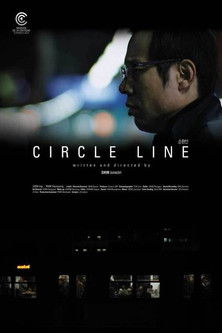
Circle Line
2012
No user ratings available yet
Representation score: 7.7 out of 10
Representation Score
Fair
2017
Director
Cho Beom-sik, Ryu Jin-ah
Runtime
18 minutes
Average Rating
No ratings yetNew Showbiz Analysis
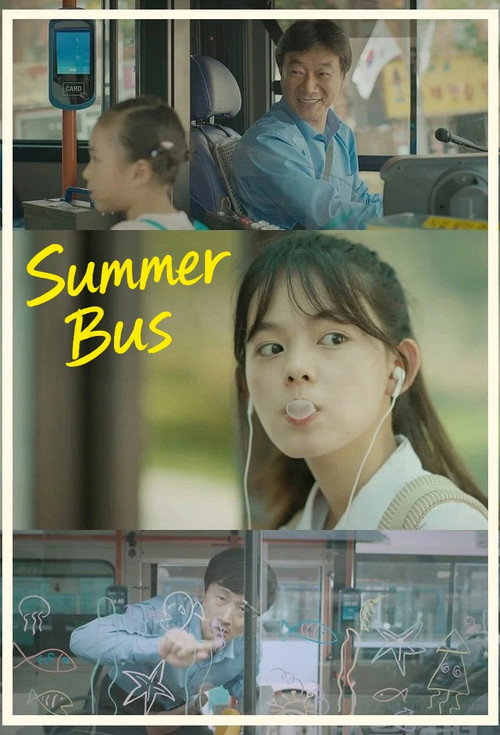
Summer Bus functions as an intimate, character-driven drama that prioritizes small interactions over grand cinematic clichés. By focusing on the routine of public transit, the film seeks to find warmth within the mundane. While the film offers a culturally specific South Korean perspective, it lacks specific data regarding LGBTQ+ identities or disability representation. Its strength lies in its potential to deconstruct social hierarchies through personal emotional truths. Ultimately, the film serves as a study of human connection, favoring subjective morality and individual experience over high-stakes, traditional dramatic structures.
Category Breakdown
The film does not explicitly feature LGBTQ+ characters or stories that go beyond assuming everyone is straight or cisgender. However, the focus on interpersonal warmth suggests potential for connection, even if specific identity markers are not clearly shown.
The narrative centers on the everyday experiences of bus life, which often highlight female perspectives. It offers potential for showing daily ability to act without relying on stereotypes, but does not provide clear examples of gender diversity.
As a South Korean production, the film reflects local demographics. It prioritizes universal themes of warmth over Western-centric storytelling, though it does not show multi-layered racial blending within its cultural context.
The film emphasizes human connection over rigid institutional structures. By focusing on the everyday, it critiques the coldness of hyper-capitalist urban environments through emotional authenticity.
There is no available information regarding the portrayal of physical or neurodivergent disabilities in this work.
Present on Screen
Limited or Absent
Official Synopsis
In the everyday life of the bus, the world still hopes to find warmth.
2012

2019
2017

2014

2018
2020
2012
2021
No reviews yet. Be the first to share your thoughts on this movie!
Use the rating form above to leave a star rating and optional review.