Shame Worse Than Death
2016
No user ratings available yet
Representation score: 6.0 out of 10
Representation Score
Excellent
2014
Director
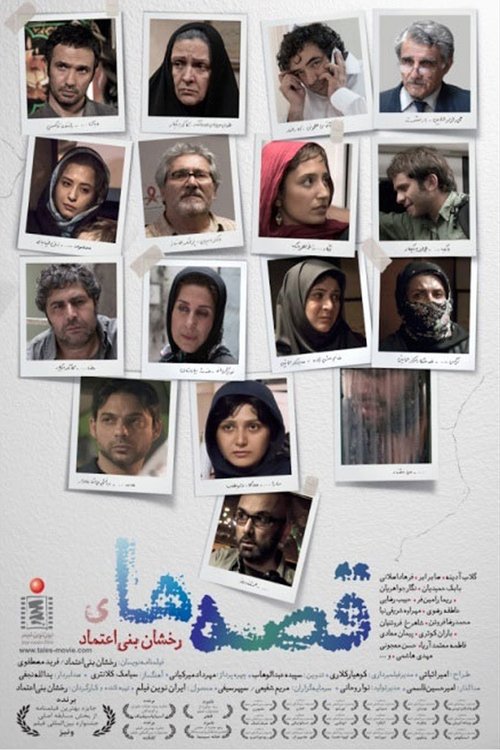
Rakhshan Banietemad
Runtime
88 minutes
Average Rating
No ratings yetNew Showbiz Analysis
The film functions as a mosaic of social realism, using interconnected vignettes to dissect systemic pressures in contemporary Iranian society. It excels at challenging traditional hierarchies, particularly by centering women's ability to drive the story against institutionalized patriarchy. While the film provides a sophisticated critique of centralized authority and religious frameworks, it lacks specific representation for LGBTQ+ identities and disability. The narrative focus remains largely on the tension between individual ability to act and legal rigidity. Ultimately, the film succeeds as a microcosm of the working class, offering a deeply authentic look at the socioeconomic and cultural complexities of the region.
Category Breakdown
The film does not prominently feature non-cisgender identities or same-sex relationships. Instead, it highlights the constraints imposed by societal and legal norms that assume everyone is straight and cisgender.
Female characters play a significant role in driving the narrative, navigating and challenging patriarchal structures. Masculinity is often portrayed through the lens of legal and systemic authority that impedes female autonomy.
The film offers an authentic portrayal of ethnic and socioeconomic diversity within the Iranian working class. It avoids presenting a homogeneous view by showcasing a multifaceted perspective of various cultural and class-based realities.
The story critiques how legal and religious frameworks can act as oppressive forces. It deconstructs the idealized family unit, portraying the domestic sphere as a site of systemic pressure and struggle.
There is no prominent focus on visible or invisible disabilities as central character arcs. Struggles are defined by social and legal status rather than physical or neurodivergent impairments.
Present on Screen
Limited or Absent
Official Synopsis
Award-winning Iranian filmmaker Rakshan Banietemad ends her eight-year hiatus from feature filmmaking with this ingenious, mosaic-like narrative, which knits together the stories of seven characters to create a microcosm of Iranian working-class society.
2016
2000
2020

2018
2018
2017

2016
2005
No reviews yet. Be the first to share your thoughts on this movie!
Use the rating form above to leave a star rating and optional review.