Subway Stories
1997
No user ratings available yet
Representation score: 8.6 out of 10
Representation Score
Good
1999
PG-13Director
Charles McDougall, Amy Jenkins, Menhaj Huda, Bob Hoskins, Gaby Dellal, Jude Law, Stephen Hopkins, Armando Iannucci, Ewan McGregor
Runtime
84 minutes
Average Rating
No ratings yetNew Showbiz Analysis
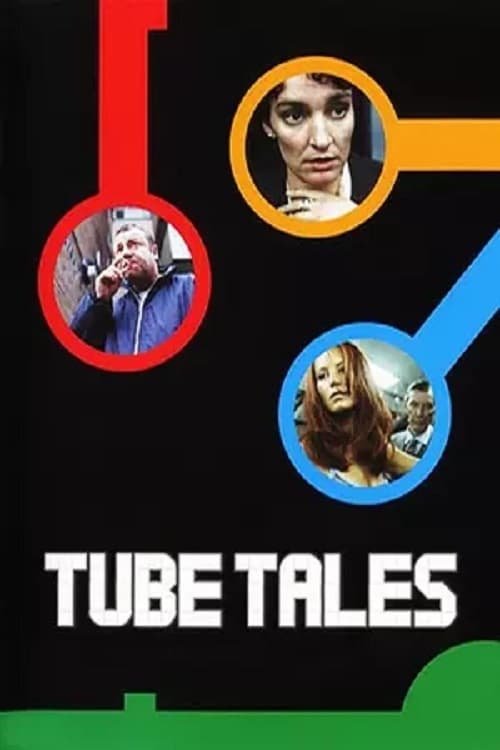
Tube Tales uses an anthology structure to present a multifaceted view of urban life. By employing a diverse ensemble of directors, the film avoids a single perspective, instead offering a mosaic of human connections within the London Underground. The work excels at reflecting the demographic complexity of a metropolitan hub. Its reliance on true experiences allows for a pluralistic approach that naturally incorporates various social strata and ethnic backgrounds. While the film's structure promotes the overlapping aspects of identity, specific evidence of radical challenges or deep representation for certain groups remains unconfirmed.
Category Breakdown
The anthology format allows for exploring varied interpersonal dynamics through slice-of-life stories. However, specific depictions of non-straight and non-cisgender identities are not clearly detailed.
The inclusion of female directors like Gaby Dellal and Amy Jenkins ensures that women's perspectives play a significant role. This rotating focal point helps break away from a singular, male-dominated viewpoint.
The London Underground setting serves as a microcosm for exploring the overlapping aspects of race and ethnicity. The framework suggests a high likelihood of portraying characters of color with significant roles.
The film prioritizes personal truths over traditional religious beliefs by focusing on genuine experiences. This fragmented structure challenges monolithic cultural narratives through a pluralistic view of society.
The urban transit setting provides a context where physical and sensory disabilities are often visible. It remains unclear if these characters are given real roles or used as simple plot devices.
Present on Screen
Limited or Absent
Official Synopsis
Nine short stories based on the true experiences of London Underground passengers: "Mr. Cool" (Amy Jenkins, dir.); "Horny" (Stephen Hopkins); "Grasshopper" (Menhaj Huda); "My Father the Liar" (Bob Hoskins); "Bone" (Ewan McGregor); "Mouth" (Armando Iannucci); "A Bird in the Hand" (Jude Law); "Rosebud" (Gaby Dellal); "Steal Away" (Charles McDougall)
1997
2002
2008
1987
2007
1991

2009
2009
No reviews yet. Be the first to share your thoughts on this movie!
Use the rating form above to leave a star rating and optional review.