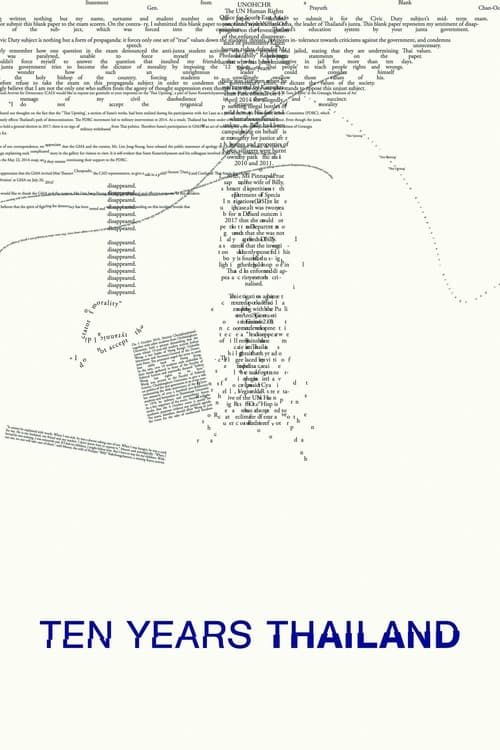
Ten Years Thailand
2018
No user ratings available yet
Representation score: 9.5 out of 10

Representation Score
Excellent
2017
Director
Nawapol Thamrongrattanarit
Runtime
75 minutes
Average Rating
No ratings yetNew Showbiz Analysis
Die Tomorrow is a minimalist exploration of mortality that finds its strength in avoiding high-stakes narrative clichés. By centering a Thai perspective, it successfully challenges Anglo-centric storytelling norms. The film achieves progressive values through its deconstruction of traditional life arcs. It prioritizes individual existence over social performance or religious dogma, offering a sophisticated, secular view of the human condition. However, its focus on internal monologue and existential solitude means it lacks overt representation of specific identities. It remains neutral rather than actively challenging traditional gender and sexual norms.
Category Breakdown
The film emphasizes existential solitude rather than romantic relationships. It avoids traditional heterosexual norms by focusing on the individual's connection to time.
The characters are portrayed through a lens of equal vulnerability to mortality. The narrative avoids reinforcing traditional gender roles by highlighting the shared human experience of death.
The film stands out by featuring a predominantly Thai cast and a localized viewpoint. This natural casting avoids Western norms and gives the characters ability to act within their own cultural context.
The narrative centers on secular existential themes rather than religious doctrine. It breaks down traditional life milestones, presenting them as fleeting moments in a productivity-driven society.
The film presents the human body as universally fragile. It offers a non-sensationalized view of vulnerability without focusing on specific disabilities as plot elements.
Present on Screen
Limited or Absent
Official Synopsis
Die Tomorrow entails six short segments about the impermanence of life, all inspired by deaths reported in Thai daily newspapers.
2018

2000

2020
1999

2012
2006
2001

2013
No reviews yet. Be the first to share your thoughts on this movie!
Use the rating form above to leave a star rating and optional review.