
Vive L'Amour
1994
No user ratings available yet
Representation score: 8.9 out of 10

Representation Score
Good
2021
Director
Tsai Ming-liang
Runtime
126 minutes
Average Rating
No ratings yetNew Showbiz Analysis
Tsai Ming-liang’s *Days* is a contemplative exploration of isolation that emphasizes atmosphere over conventional plot. Its strength lies in its cultural authenticity and its avoidance of Western narrative structures and clichés. By setting the narrative in Taipei, the film establishes a unique, localized cinematic language. However, the film’s minimalist approach leads to a neutral portrayal of gender and identity. While it avoids harmful hierarchies, it lacks the active subversion or diverse representation necessary to go beyond a baseline portrayal. The absence of explicit dialogue leaves much of the character's identity open to interpretation. Ultimately, the film succeeds as an existential examination of modern urban life. It challenges conventional storytelling by focusing on the tension between individuals and their environments rather than through traditional character development.
Category Breakdown
The film presents a subtle relationship between Kang and Non without explicitly labeling their connection. By avoiding typical romantic cues and clichés, the relationship remains open to interpretation.
Gender roles are minimized in the film, avoiding traditional hierarchies. However, the film does not explore diverse gender expressions or actively challenge gender norms.
The film centers its narrative in Taipei, offering a localized perspective without relying on Western viewpoints. This approach provides a culturally authentic experience.
The film critiques the loneliness and alienation of modern urban life. It focuses on a secular, postmodern exploration of human experiences rather than traditional religious milestones.
The film does not specifically address visible or invisible disabilities. Instead, it uses themes of social disconnection to explore the human condition.
Present on Screen
Limited or Absent
Official Synopsis
Kang lives alone in a big house, Non in a small apartment in town. They meet, and then part, their days flowing on as before.
1994

2014
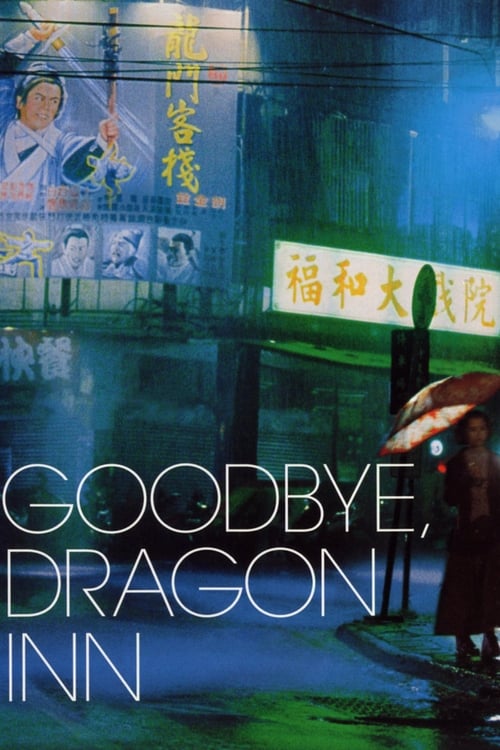
2003
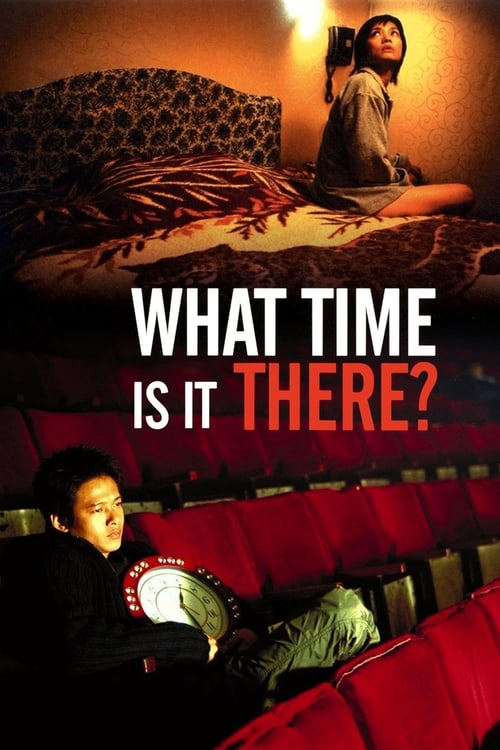
2001

2017
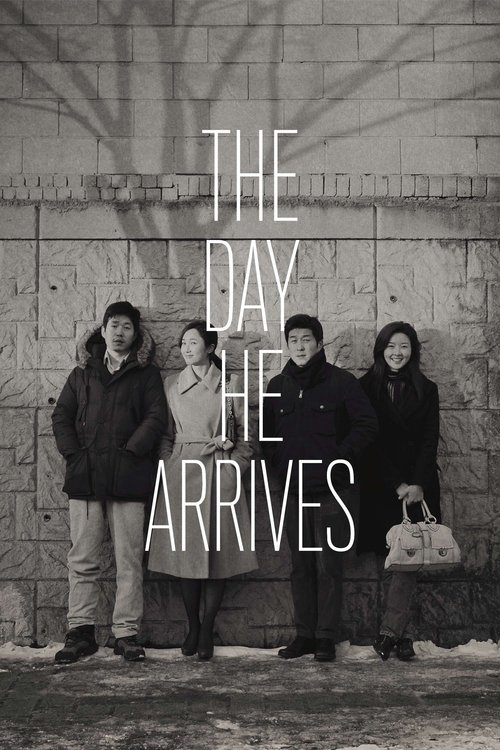
2011

2001

2012
No reviews yet. Be the first to share your thoughts on this movie!
Use the rating form above to leave a star rating and optional review.