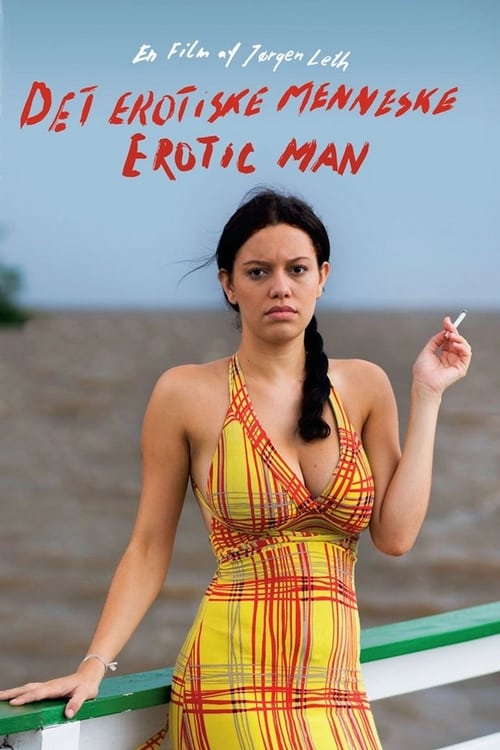
The Erotic Man
2010
No user ratings available yet
Diversity score: 5.7 out of 10
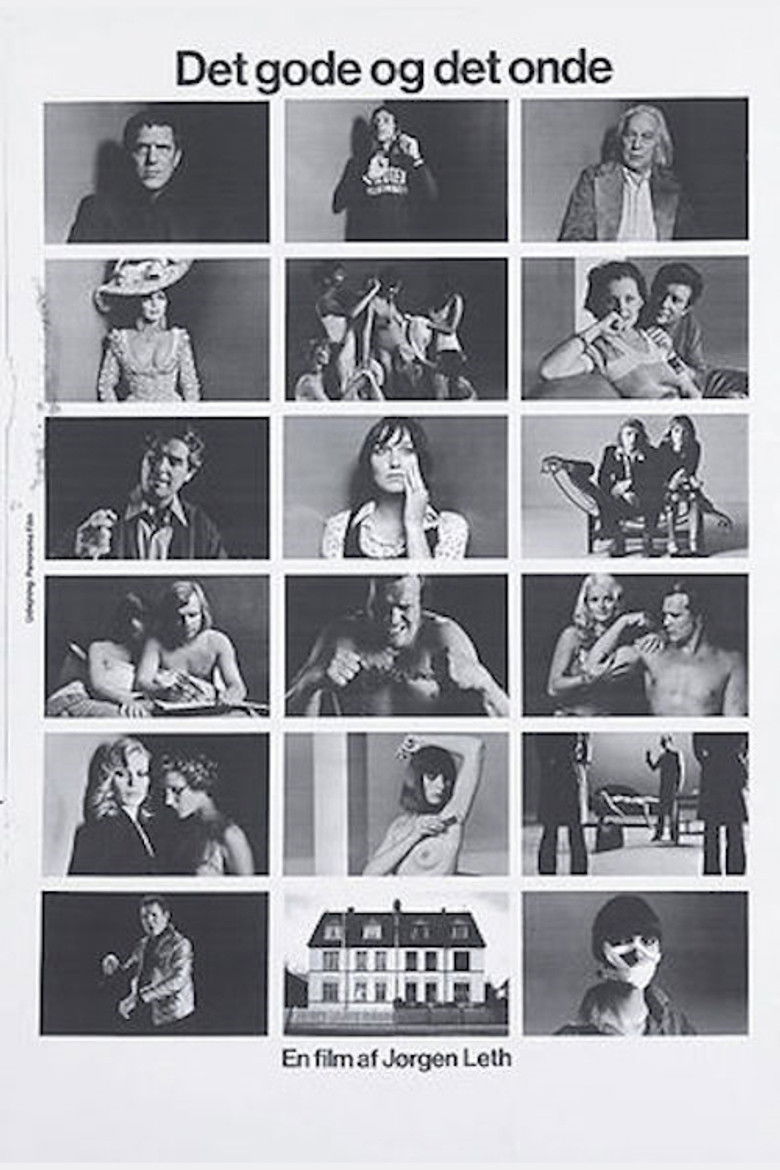
1975
Director
Jørgen Leth
Runtime
80 minutes
Average Rating
No ratings yetSynopsis
Jørgen Leth can squeeze poetry from a stone and wit from dust, and he can find love where the milk of human kindness runs dry. In a series of tableaux of Life in Denmark, he carries absurdism to a happy extreme. To act out his minuscule non-dramas, he uses a motley crew of professional actors like Ghita Nørby and Claus Nissen, writer Dan Turéll plus a snake charmer, a bicycle racer and a circus queen.
Overall Score
Fair
Category Breakdown
LGBTQ+ Representation
The film utilizes a series of vignettes rather than a character-driven plot. The inclusion of a circus queen provides a queer-coded presence that disrupts 1970s domestic homogeneity.
Gender Representation
By framing behavior through ritualistic tableaux, the film strips away traditional patriarchal hierarchies. It presents gender through the lens of performance and absurdity rather than rigid social roles.
Racial & Ethnic Diversity
The cast appears primarily composed of local Danish performers. There is no explicit evidence of significant racial or ethnic diversity used to challenge the era's demographic norms.
Religious & Cultural Diversity
The work promotes moral relativism by juxtaposing good and evil through mundane actions. This secular, postmodern approach critiques the stability of traditional social and religious institutions.
Disability Representation
The film functions as a series of observational vignettes. There is no specific evidence regarding the portrayal of physical or neurodivergent disabilities.
Strengths
Areas for Improvement
AI Analysis
Jørgen Leth’s documentary is an exercise in formalist deconstruction. It prioritizes aesthetic formalism and absurdist tableaux over traditional narrative, which allows it to subvert social expectations without relying on standard character arcs. The film's strength lies in its rejection of didacticism. By using a motley crew of performers to explore human behavior, it challenges the authority of a singular, moralistic worldview. However, the work remains localized. The focus on life in Denmark and a primarily local cast results in limited racial and ethnic representation, keeping the diversity score moderate.
2010
1982
2020
1986
1968
1964
1986
1971
1970

2025
1961
2004
No reviews yet. Be the first to share your thoughts on this movie!
Use the rating form above to leave a star rating and optional review.