
We Are the Lambeth Boys
1959
No user ratings available yet
Representation score: 5.1 out of 10
Representation Score
Good
1968
Director
Barney Platts-Mills
Runtime
30 minutes
Average Rating
No ratings yetNew Showbiz Analysis
This documentary captures a moment of cultural transition by presenting the raw, lived experiences of East London youth. Utilizing Joan Littlewood’s ensemble-based methods, the film dismantles high-art hierarchies in favor of working-class realism. While it lacks specific details on certain identity markers, its improvisational structure challenges the rigid social structures of the late 1960s.
Category Breakdown
The film's improvisational format allows for a more nuanced exploration of identity, moving away from rigid, straight-centered roles. This approach reflects the fluid dynamics of 1960s youth culture.
The film centers the active, intellectual, and expressive roles of young people under Joan Littlewood's guidance, challenging traditional passive female stereotypes.
Set in East London during a period of ethnic change, the documentary style highlights a multi-layered social reality. It moves away from the homogeneous, idealized portrayals of British life.
The film critiques traditional Western institutions by prioritizing personal experience over established morality. It uses improvisational theater to question class and cultural norms.
There is no information available regarding the portrayal of physical or neurodivergent disabilities.
Present on Screen
Limited or Absent
Official Synopsis
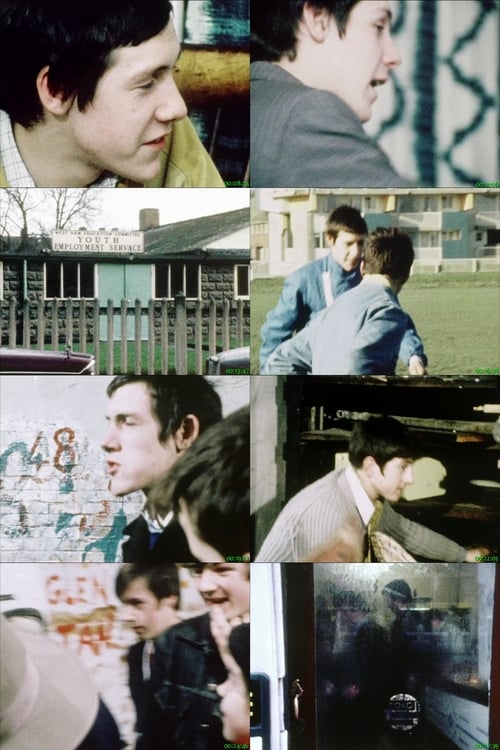
An east London youth drama group improvises scenes based upon their everyday life under the tutelage of Joan Littlewood.
1959

2012
2005
2019

1961
2005
2017
2010
No reviews yet. Be the first to share your thoughts on this movie!
Use the rating form above to leave a star rating and optional review.