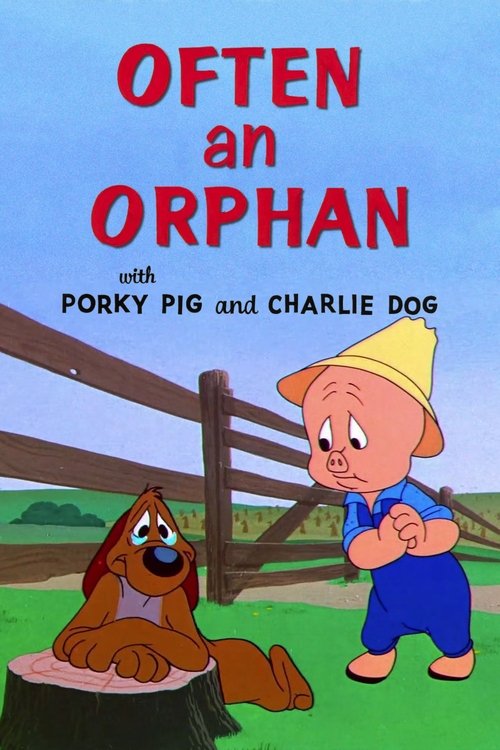
Often an Orphan
1949
No user ratings available yet
Representation score: 2.0 out of 10
Representation Score
Limited
1949
GDirector
Chuck Jones
Runtime
7 minutes
Average Rating
No ratings yetNew Showbiz Analysis
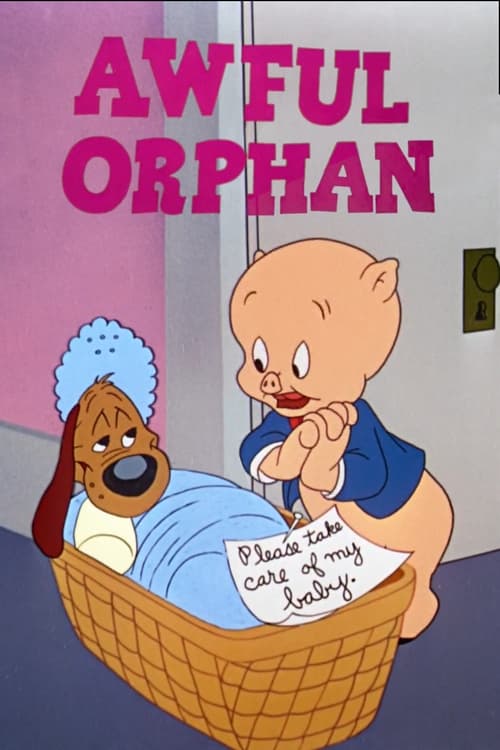
Awful Orphan is a classic Chuck Jones comedy that focuses on situational humor and character interactions. The plot centers on Porky Pig's attempts to keep his personal space from an intrusive dog. The story is rooted in species-based conflicts rather than identity politics. Given the use of anthropomorphic animals in an urban setting, the film avoids explicit discussions of race, gender, or sexual orientation. It adheres to the traditional social structures of the 1940s era. Ultimately, the short does not challenge or subvert the social hierarchies of its time, remaining a focused, character-driven comedic piece.
Category Breakdown
The story does not include any LGBTQ+ characters or explore themes related to sexual orientation.
The main character, Porky Pig, is a male protagonist. The film does not feature female characters or challenge traditional gender roles.
The film features anthropomorphic animals in an urban setting, and does not explicitly address issues of racial or ethnic diversity.
The film follows conventional storytelling clichés of mid-century domestic life and does not critique or challenge Western institutions.
There are no characters with visible or invisible disabilities in this short.
Present on Screen
Limited or Absent
Official Synopsis
Porky Pig's quiet life in his high-rise apartment building is rudely disrupted when an obnoxious mutt sneaks in and refuses to leave.
1949
1950
1941
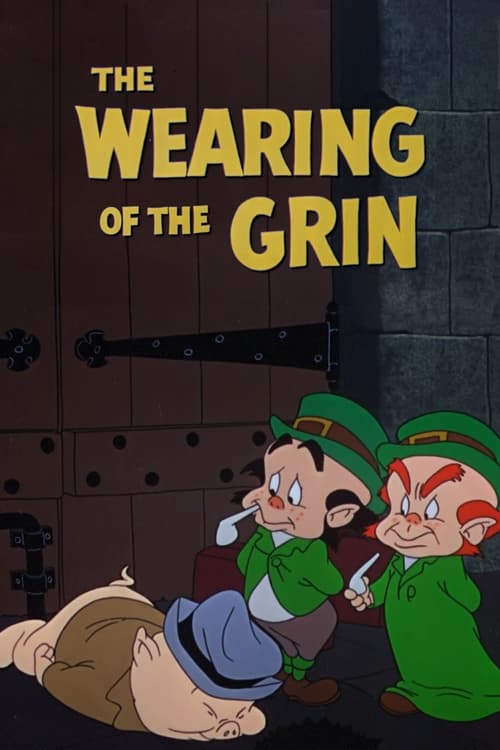
1951
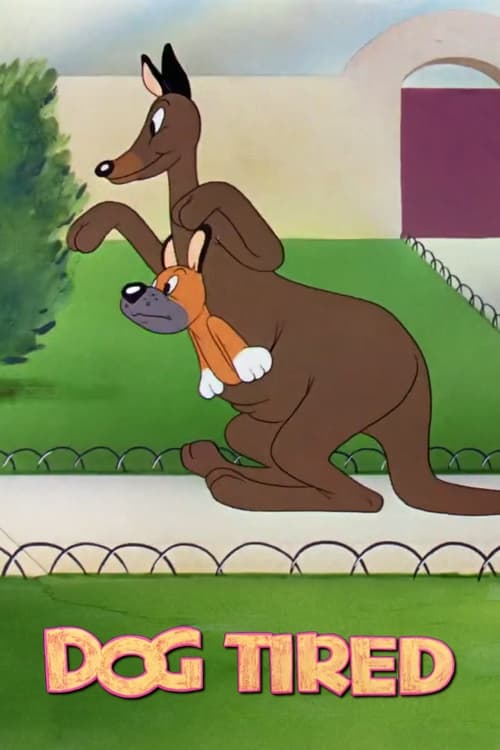
1942
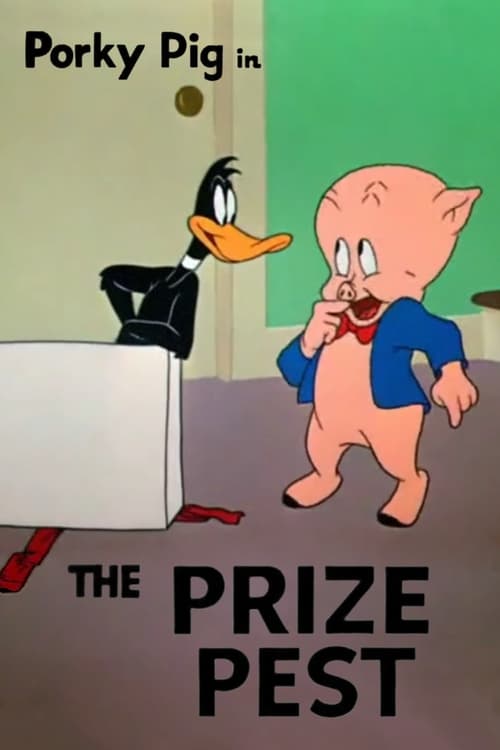
1951
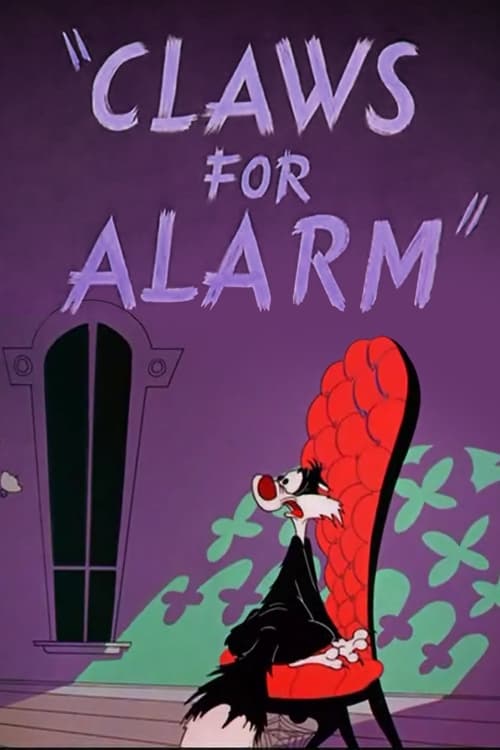
1954
1950
No reviews yet. Be the first to share your thoughts on this movie!
Use the rating form above to leave a star rating and optional review.