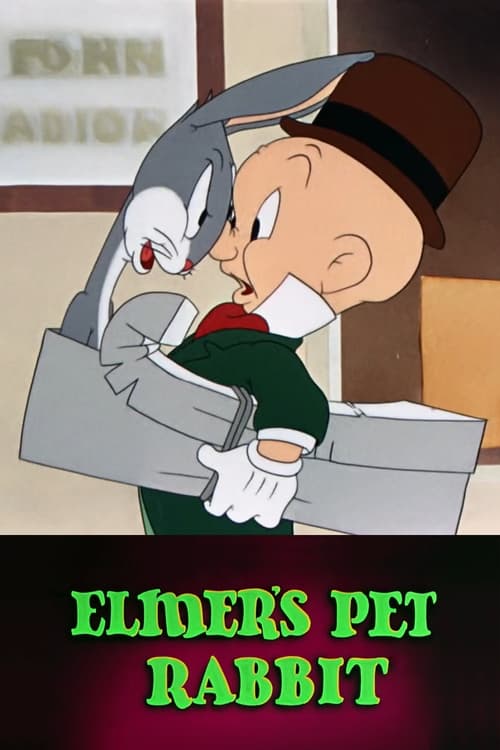
Elmer's Pet Rabbit
1941
No user ratings available yet
Representation score: 0.4 out of 10
Representation Score
Minimal
1950
ApprovedDirector
Chuck Jones
Runtime
7 minutes
Average Rating
No ratings yetNew Showbiz Analysis
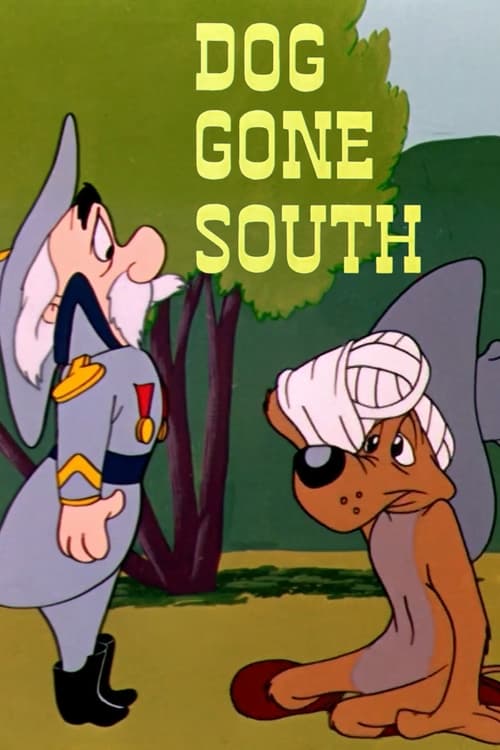
Dog Gone South operates within the conventional social and racial frameworks of 1950s American animation. The plot revolves around Charlie Dog navigating a specific social hierarchy to secure his place within the studio system. The narrative structure reinforces existing power dynamics without dismantling them. By focusing on a character's efforts to gain favor from an authority figure, the film upholds the status quo of the mid-century studio environment.
Category Breakdown
The film does not include any characters with non-straight sexual orientations or non-cisgender identities. It focuses solely on traditional social roles from the mid-20th century.
Set in 1950, the film adheres to conventional gender roles typical of that time. There is no indication that characters challenge traditional domestic duties.
The Southern plantation setting highlights the social constraints of the era. The narrative likely reflects the period's stereotypes without challenging them.
The story emphasizes established Western social norms and plantation hierarchies. The protagonist aims to fit into an existing, traditional social structure.
There is no information available regarding the presence of characters with visible or invisible disabilities in this short.
Present on Screen
Limited or Absent
Official Synopsis
Charlie Dog attempts to ingratiate himself to a southern plantation owner.
1941
1942
1949
1953
1949
1943
1953
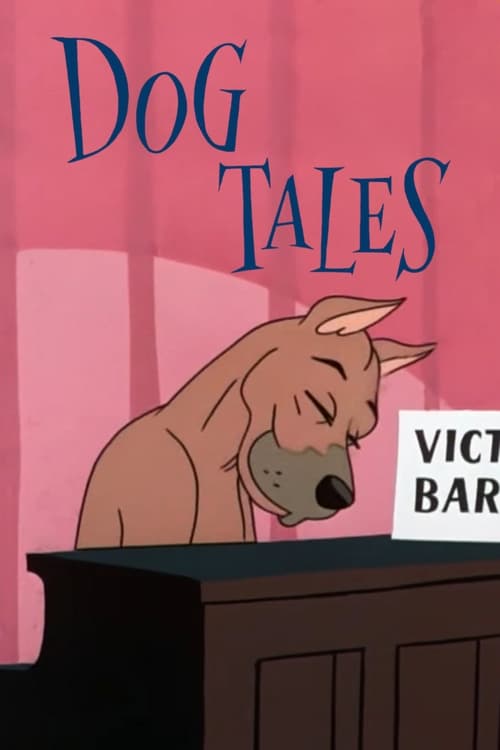
1958
No reviews yet. Be the first to share your thoughts on this movie!
Use the rating form above to leave a star rating and optional review.