
Elmer's Pet Rabbit
1941
No user ratings available yet
Representation score: 0.4 out of 10
Representation Score
Minimal
1940
NRDirector
Chuck Jones
Runtime
8 minutes
Average Rating
No ratings yetNew Showbiz Analysis
Elmer's Candid Camera is a classic example of Golden Age American animation, emphasizing escapist slapstick humor over social commentary. The narrative centers on a conventional pursuit-and-evasion structure that avoids engaging with overlapping identities or disrupting social hierarchies. The film operates within the narrow social and narrative conventions of 1940. It focuses on anthropomorphic character archetypes rather than serving as a platform for progressive representation or cultural critique.
Category Breakdown
The film does not depict any LGBTQ+ identities or include queer subtext. Character dynamics revolve around predator and prey roles.
Gender representation follows traditional mid-century stereotypes. The narrative adheres to a binary of pursuer and trickster without challenging gender norms.
The cast is made up of a homogeneous group of anthropomorphic characters. There is no indication of racial or ethnic diversity.
The story follows traditional Western comedic structures. It does not engage with systemic critiques, secular themes, or deconstruct Western institutions.
There are no depictions of visible or invisible disabilities. Characters function within standard physical capabilities typical of slapstick animation.
Present on Screen
Limited or Absent
Official Synopsis
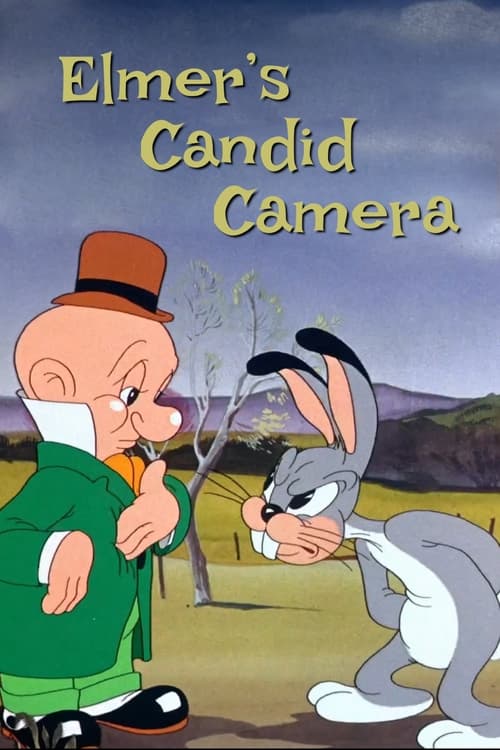
Elmer takes up wildlife photography but finds his subject, a rabbit, much too rascally.
1941

1945

1945

1948

1943
1961

1952

1942
No reviews yet. Be the first to share your thoughts on this movie!
Use the rating form above to leave a star rating and optional review.