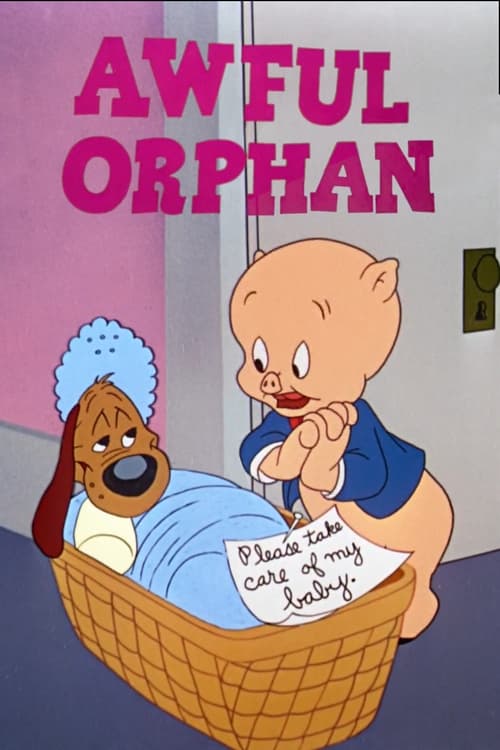
Awful Orphan
1949
No user ratings available yet
Representation score: 2.5 out of 10
Representation Score
Limited
1949
ApprovedDirector
Chuck Jones
Runtime
7 minutes
Average Rating
No ratings yetNew Showbiz Analysis
The film often centers on a character's comedic manipulation, relying on established clichés of an unwanted character seeking domestic stability. It functions within the traditional media landscape of the late 1940s, prioritizing energetic gags over social commentary. The narrative structure stays within conventional archetypes, avoiding disruption of social norms or engagement with layered identity politics.
Category Breakdown
The story revolves around a transactional relationship between Charlie Dog and Porky Pig. There are no representations of non-binary or LGBTQ+ identities or relationships.
The main characters are predominantly male-coded, featuring Porky Pig and Charlie Dog. The film does not challenge traditional gender roles or provide meaningful roles for women.
The setting is a typical rural environment with standard anthropomorphic characters. The film lacks racial or ethnic diversity and does not use species to represent varied life experiences.
The story follows a traditional Western comedic style centered on everyday life. It treats socioeconomic struggles as a means for slapstick humor rather than addressing broader societal issues.
Charlie Dog uses exaggerated emotional reactions to influence his surroundings. These are used as comedic elements rather than nuanced portrayals of mental health or neurodivergence.
Present on Screen
Limited or Absent
Official Synopsis
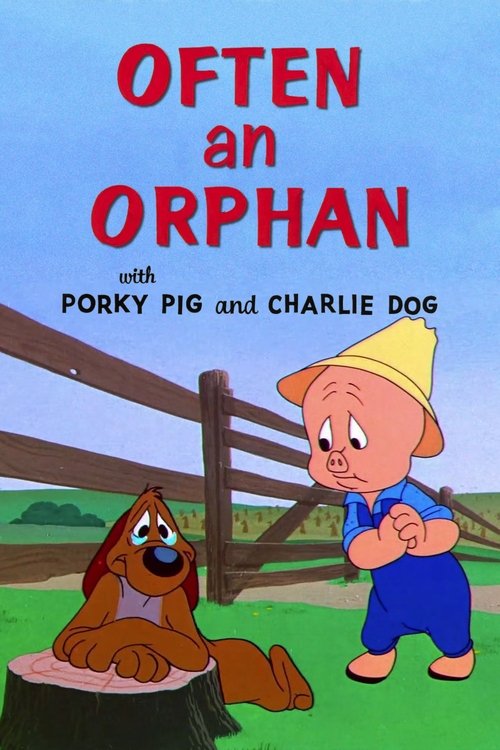
Abandoned in the country by his old master, Charlie Dog tries to force himself upon farmer Porky Pig, playing upon his sympathies with a histrionic rendition of the horrors of big-city life.
1949
1950
1941
1949
1941
1951
1948
1942
No reviews yet. Be the first to share your thoughts on this movie!
Use the rating form above to leave a star rating and optional review.