The Prize
1950
No user ratings available yet
Diversity score: 2.1 out of 10
1952
NRDirector
Ronald Neame
Runtime
85 minutes
Average Rating
No ratings yetSynopsis
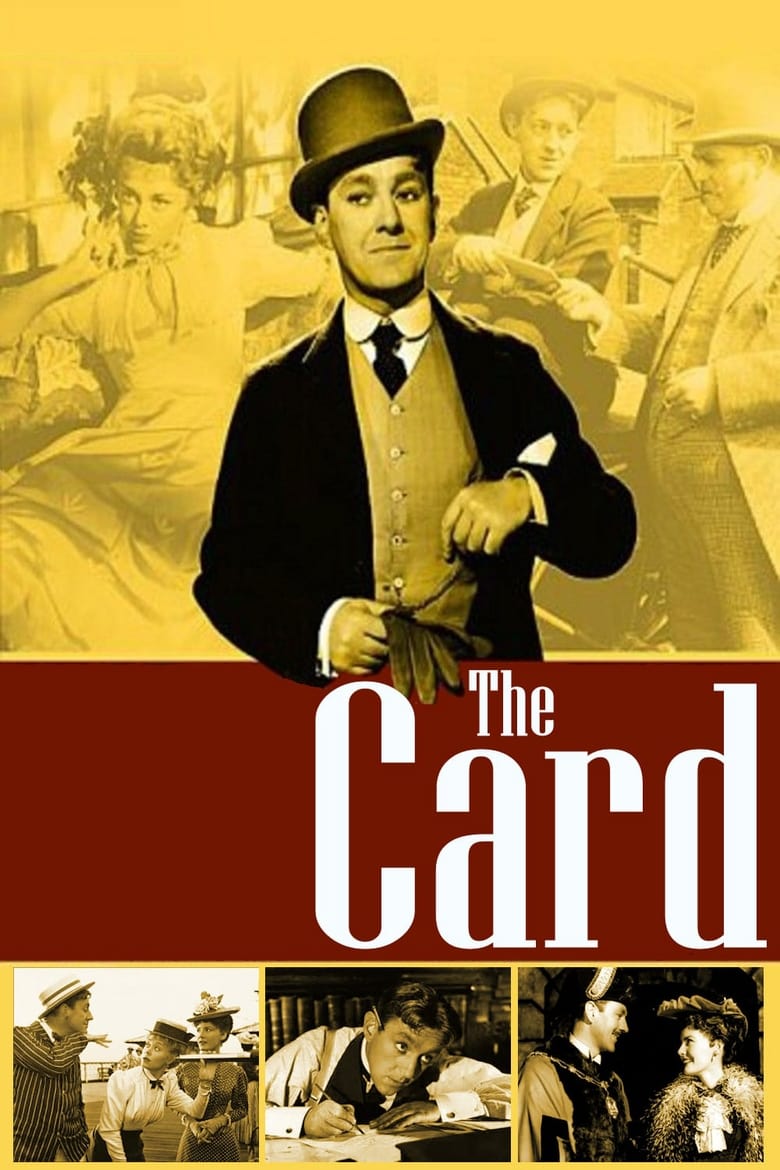
A charming and ambitious young man finds many ways to raise himself through the ranks in business and social standing - some honest, some not quite so. If he can just manage to avoid a certain very predatory woman.
Overall Score
Minimal
Category Breakdown
LGBTQ+ Representation
The film operates within the strict social parameters of 1952 British cinema. There is no evidence of non-cisnormative gender identities or narratives that challenge heteronormativity.
Gender Representation
Traditional gender hierarchies define the film. While a 'predatory woman' appears, she functions as a comedic trope rather than a subversion of patriarchal structures.
Racial & Ethnic Diversity
The narrative focuses on class mobility within a white, Anglo-Saxon context. There is no evidence of significant racial or ethnic diversity in the cast or social environments.
Religious & Cultural Diversity
The film reinforces traditional Western social structures and mid-century capitalist values. It prioritizes class standing and upward mobility through a conventional lens.
Disability Representation
There is no discernible representation of physical, sensory, or neurodivergent disabilities. Characters are defined by social and economic capability instead.
Strengths
Areas for Improvement
AI Analysis
The Card is a period-specific comedy that adheres to the traditionalist frameworks of 1950s British cinema. It prioritizes class-based social mobility and conventional character archetypes over progressive representation. The narrative architecture lacks the intentionality required to disrupt established social hierarchies. Instead, it functions as a reflection of the era's homogeneous social and cultural norms. Ultimately, the film does not engage with intersectional identities or systemic critiques, resulting in a narrow focus on mid-century social climbing.
1950
1951

1937

1933
1973

1957
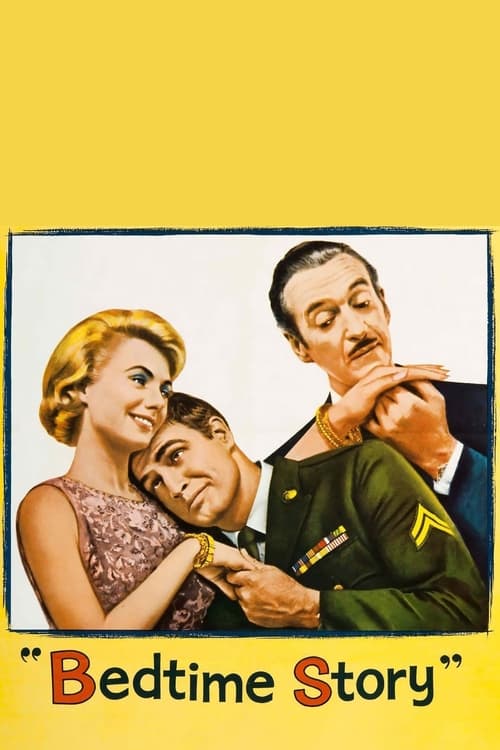
1964
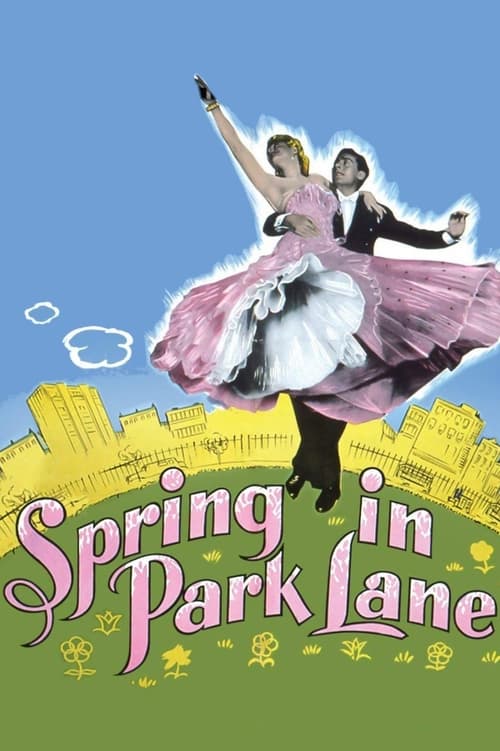
1948
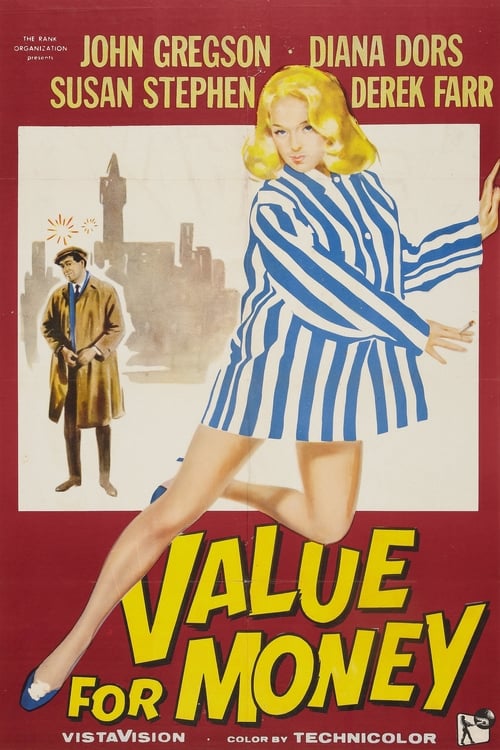
1955
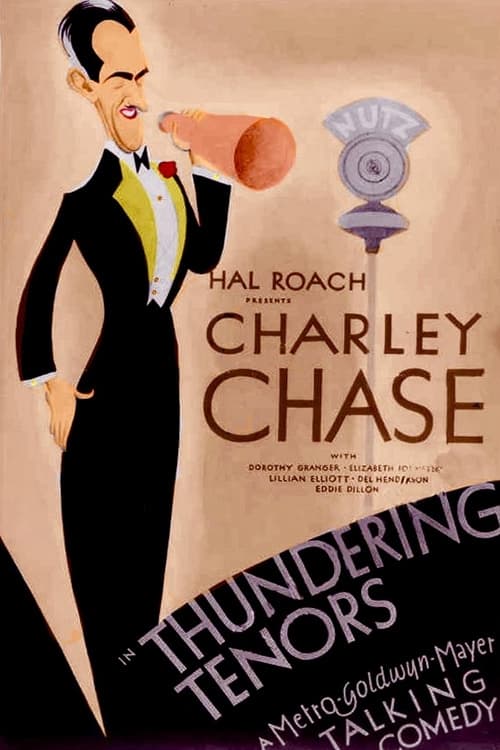
1931
1943
1937
No reviews yet. Be the first to share your thoughts on this movie!
Use the rating form above to leave a star rating and optional review.