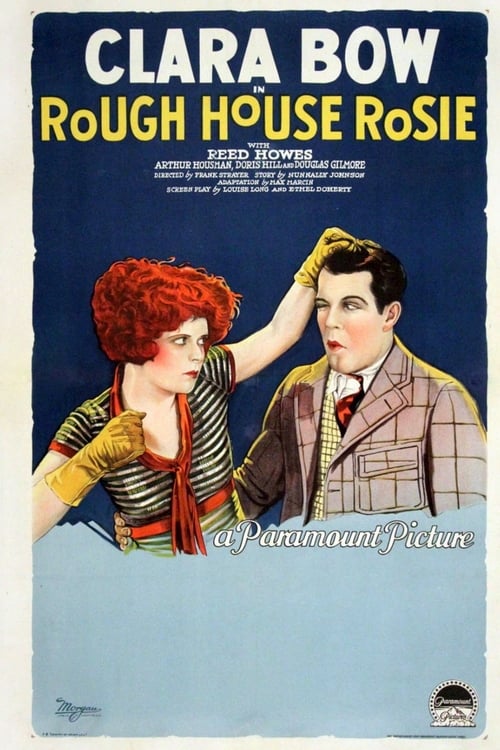
Rough House Rosie
1927
No user ratings available yet
Representation score: 1.4 out of 10
Representation Score
Minimal
1931
PassedDirector
James W. Horne
Runtime
21 minutes
Average Rating
No ratings yetNew Showbiz Analysis
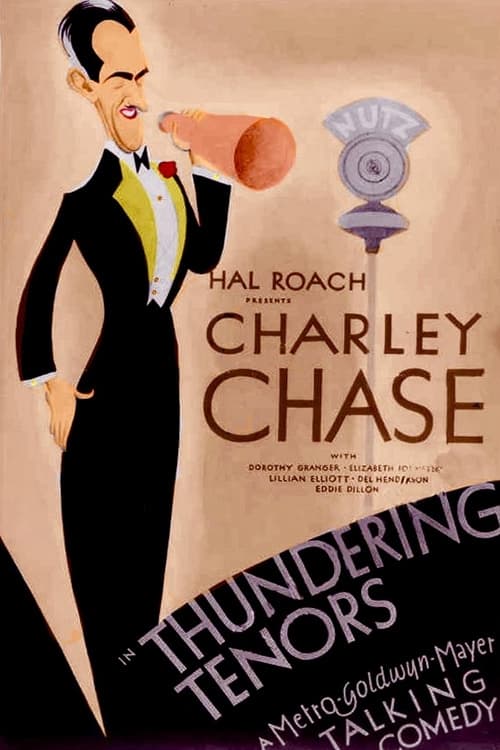
Thundering Tenors is a traditional social comedy that relies on the era's standard clichés of class friction and romantic aspiration. The plot revolves around a protagonist navigating high-society environments to gain social standing. The film adheres to the cinematic conventions of the early 1930s, emphasizing physical humor and situational farce over complex social commentary. This results in a narrative that upholds existing social structures rather than challenging them. Ultimately, the work offers minimal disruption to established social or gender hierarchies, focusing instead on the protagonist's desire to impress a lady through social assimilation.
Category Breakdown
The film focuses on a traditional romantic relationship and does not include any characters with non-conforming gender identities or critiques of traditional sexual orientations.
Charley drives the plot, while the female character is portrayed as an object of social aspiration, reflecting a conventional romantic dynamic.
The setting of a high-class party in 1931 typically implies a homogeneous social environment. There is no indication of diverse casting or representation of multiple identities.
The narrative emphasizes traditional social hierarchies by highlighting class tension. The protagonist aims to fit into high society without questioning these structures.
There is no evidence within the synopsis to suggest the inclusion of characters with visible or invisible disabilities.
Present on Screen
Limited or Absent
Official Synopsis
Charley is invited to a high class party, where he feels ill at ease and has no idea how to act, yet he wants to impress his young lady.
1927
1925
1931
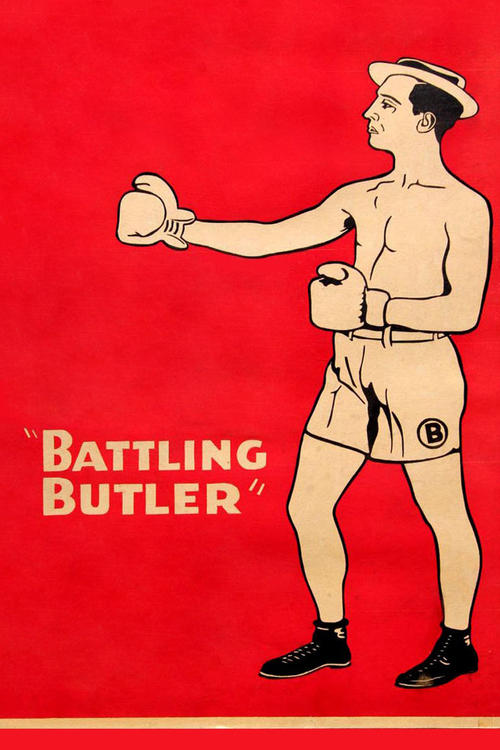
1926
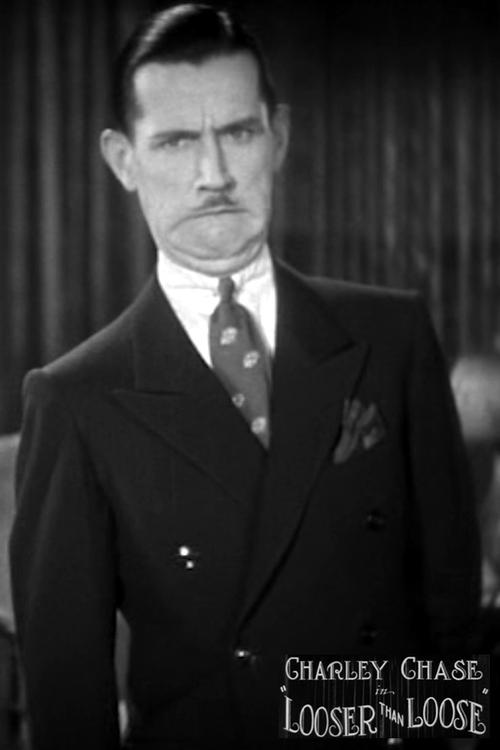
1930
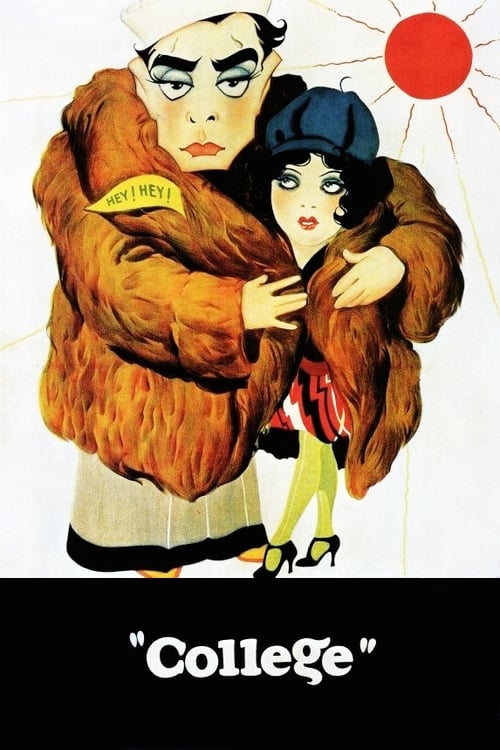
1927
1934
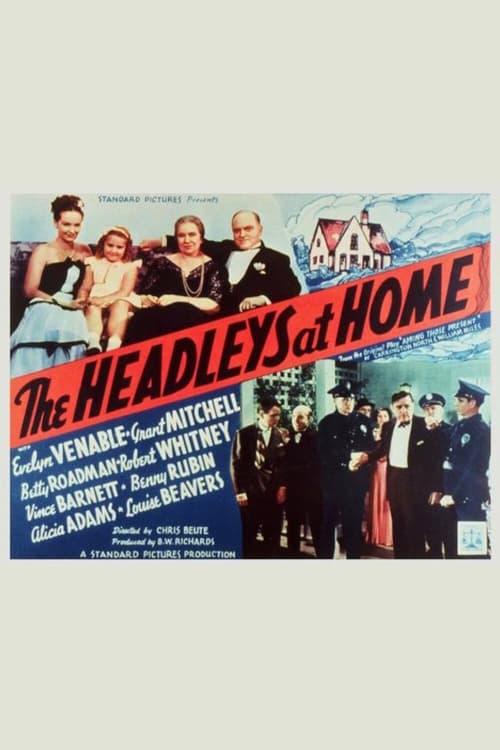
1938
No reviews yet. Be the first to share your thoughts on this movie!
Use the rating form above to leave a star rating and optional review.