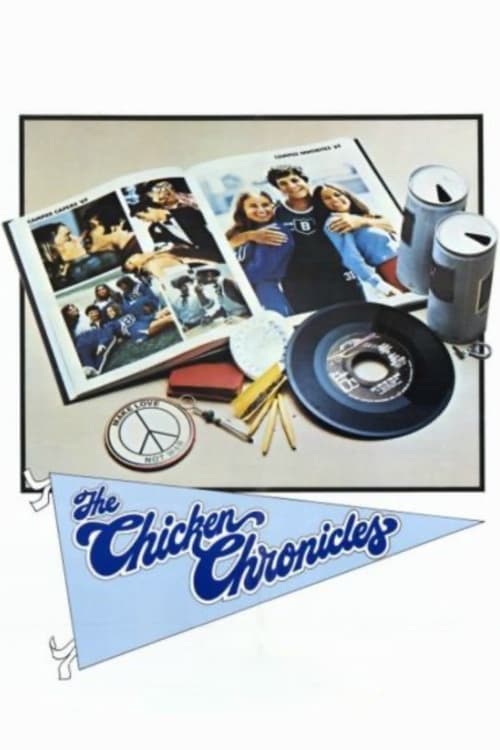
The Chicken Chronicles
1977
No user ratings available yet
Diversity score: 3.2 out of 10

1967
NRDirector
Gene Nelson
Runtime
95 minutes
Average Rating
No ratings yetSynopsis
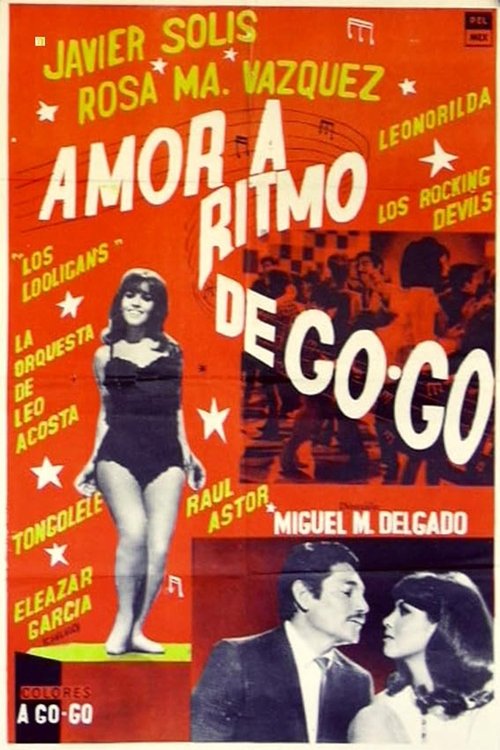
A young, millionaire rock promoter creates a new boy/girl team for his teen TV dance show. Will the ambitious go-go dancer and has-been pop star fall in love for real?
Overall Score
Limited
Category Breakdown
LGBTQ+ Representation
The film follows a traditional romantic trajectory between a dancer and a pop star. There is no evidence of non-heteronormative identities or critiques of heteronormativity.
Gender Representation
A female go-go dancer serves as a central figure with professional ambition. However, the boy/girl team structure reinforces the gender-segregated performance models common in the 1960s.
Racial & Ethnic Diversity
The narrative lacks any indication of a non-white or non-Anglo-Saxon majority cast. The setting suggests a focus on the dominant cultural demographics of the era.
Religious & Cultural Diversity
The story centers on the commercialization of teen culture and capitalist entertainment structures. It prioritizes conventional romantic resolution over the exploration of diverse cultural perspectives.
Disability Representation
There is no information available regarding the portrayal of physical or neurodivergent characters in this film.
Strengths
Areas for Improvement
AI Analysis
The Cool Ones functions as a standard 1960s genre piece, prioritizing commercial mechanics and romantic tension over social subversion. The narrative architecture remains firmly within the conventional frameworks of the studio era. While the film provides a central female character with professional agency, it operates within highly structured, gendered performance models. The focus remains on the music and television industries rather than identity-driven agency. Ultimately, the film lacks evidence of disrupting traditional social hierarchies. It appears to be a product of its time, centering on mainstream entertainment and established cultural demographics.
1977
1968
1968
1980
1966
1968
1979
1977
1969
1953
1966
2000
No reviews yet. Be the first to share your thoughts on this movie!
Use the rating form above to leave a star rating and optional review.