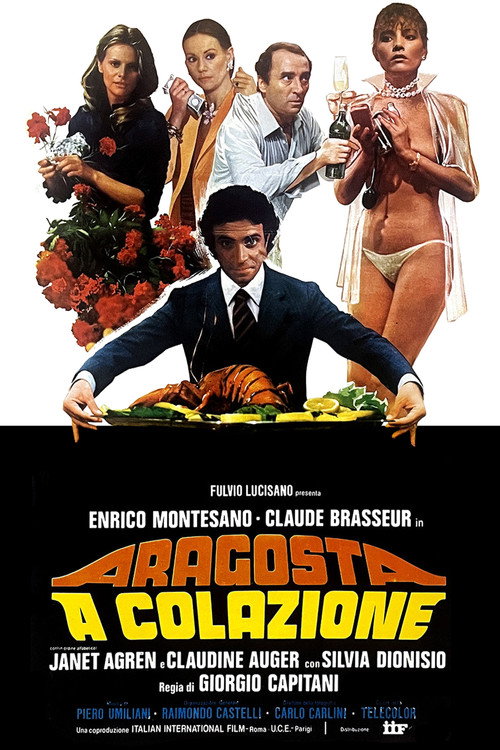
Lobster for Breakfast
1979
No user ratings available yet
Representation score: 2.5 out of 10
Representation Score
Limited
1977
PGDirector
Frank Simon
Runtime
95 minutes
Average Rating
No ratings yetNew Showbiz Analysis
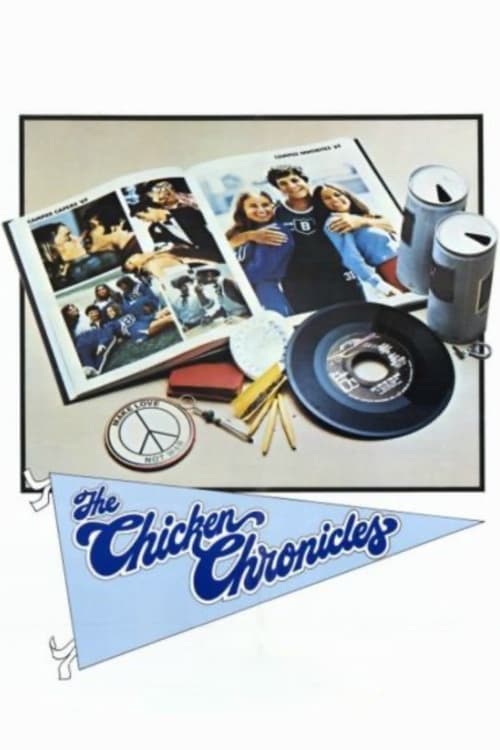
The Chicken Chronicles is a conventional period comedy that adheres to the demographic norms of the late 1970s. Its narrative revolves around a traditional romantic pursuit, avoiding broader social or layered themes. The film focuses on individual growth and romance, prioritizing personal aspirations over systemic issues. Ultimately, the film offers a narrow perspective of the late-1960s setting through a traditional lens.
Category Breakdown
The film focuses on a traditional romantic relationship between two people, with no representation of non-binary gender identities or challenges to the assumption that everyone is straight.
The movie follows typical gender stereotypes, with a male character driven by his desire for a female character. It does not challenge traditional gender roles.
The film lacks diversity in its cast, showing a predominantly white cast that aligns with the homogeneity seen in mid-century American comedies.
The story centers on individual growth and romance within a service industry setting, focusing on personal aspirations rather than broader social issues.
There is no mention of characters with physical or neurological differences in the film.
Present on Screen
Limited or Absent
Official Synopsis
A late-1960s teen (Steve Guttenberg) working in a chicken-takeout stand cannot get his mind off his dream-girl (Lisa Reeves).
1979
1977
1977
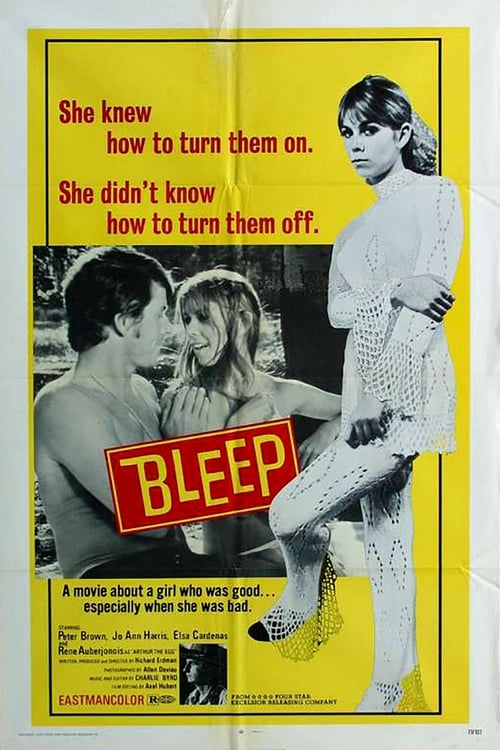
1971
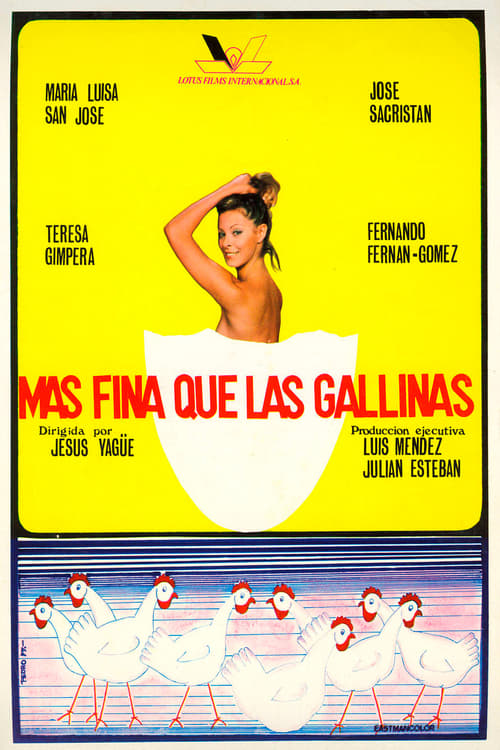
1977
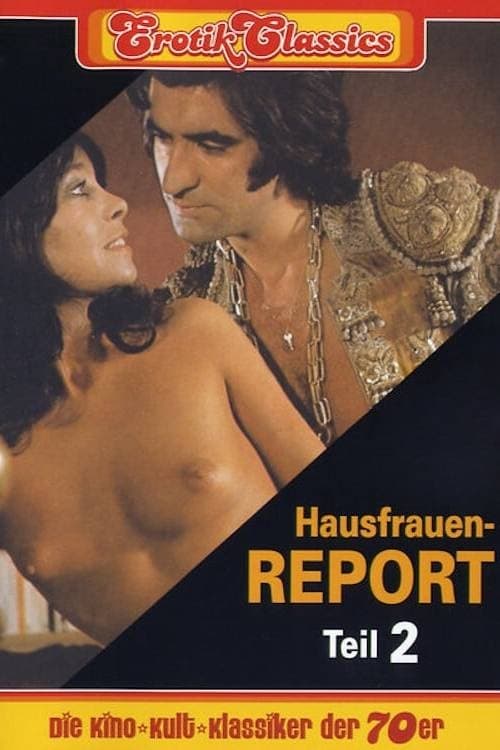
1971

1980
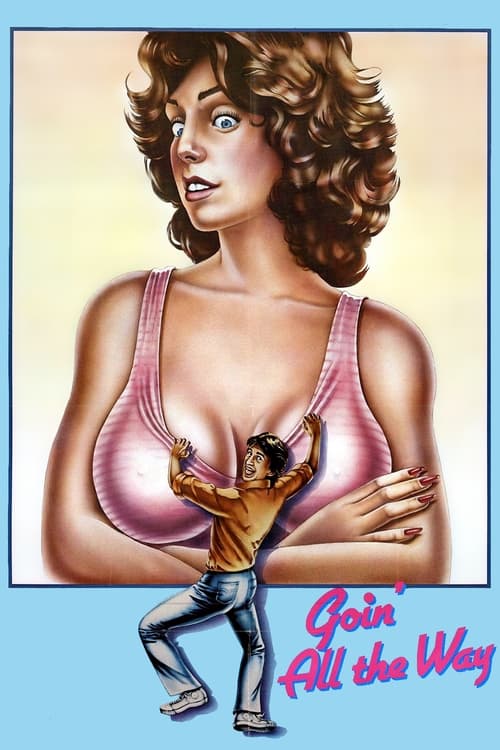
1981
No reviews yet. Be the first to share your thoughts on this movie!
Use the rating form above to leave a star rating and optional review.