
No Pain, No Gain
2001
No user ratings available yet
Diversity score: 3.8 out of 10
2000
RDirector
Peter Hewitt
Runtime
95 minutes
Average Rating
No ratings yetSynopsis
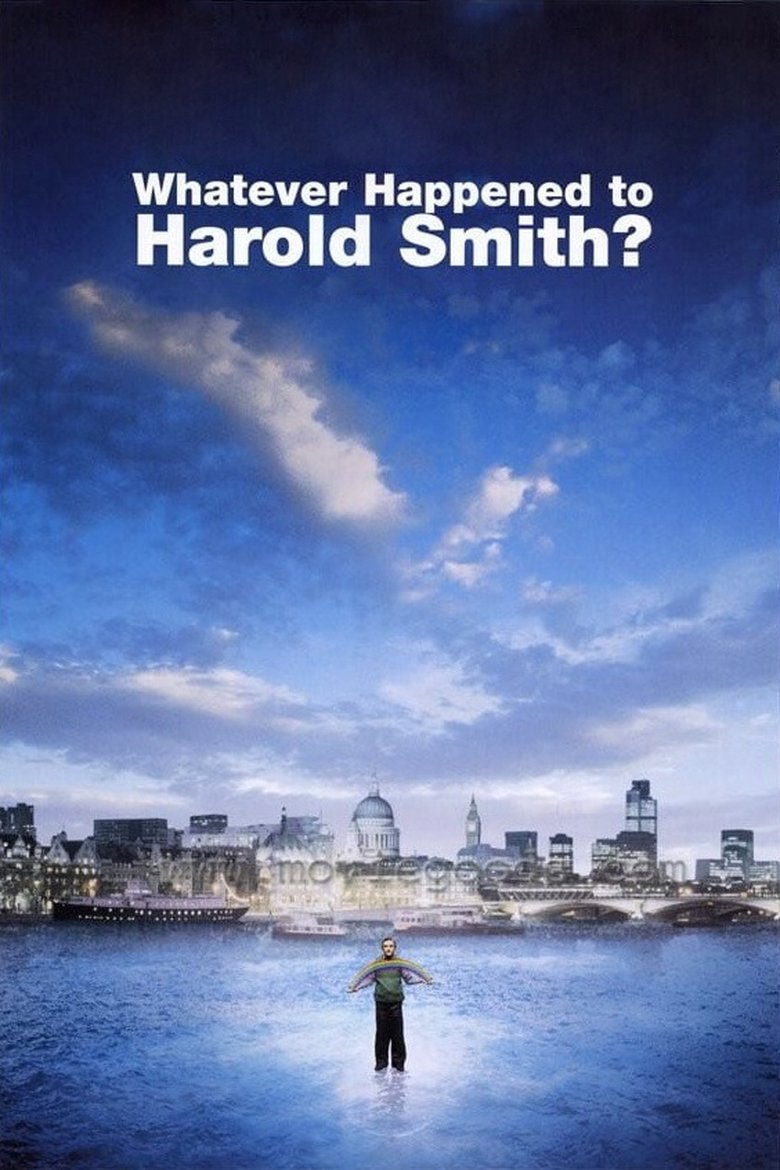
It's 1976, and Vinny is a confused teenager who can't decide whether he is a disco king or a proto punk rocker.
Overall Score
Limited
Category Breakdown
LGBTQ+ Representation
The film explores the tension between disco and punk subcultures. While these movements often overlap with queer identities, the narrative lacks explicit confirmation of non-cisnormative characters or critiques of heteronormativity.
Gender Representation
The story centers on a teenage male protagonist's identity crisis. There is little information regarding female characters or whether the film challenges traditional gender hierarchies.
Racial & Ethnic Diversity
The narrative provides no data regarding the racial or ethnic composition of the cast. The 1976 setting risks presenting a homogeneous view of Western youth culture.
Religious & Cultural Diversity
The film examines the friction between disco and emerging punk counter-cultures. It focuses on individualistic coming-of-age themes rather than systemic or structural social critiques.
Disability Representation
There is no evidence of characters with visible or invisible disabilities within the provided context.
Strengths
Areas for Improvement
AI Analysis
Whatever Happened to Harold Smith? functions primarily as a conventional period comedy centered on adolescent identity. The narrative focuses on the subcultural friction between disco and punk in 1976, prioritizing individualistic coming-of-age tropes over broader social deconstruction. While the film touches on social movements, it lacks documented evidence of intersectional agency or systemic critique. The focus remains heavily on a male protagonist's development, leaving questions regarding racial and gender diversity unanswered.
2001

1988
1980
1997
1985

2011
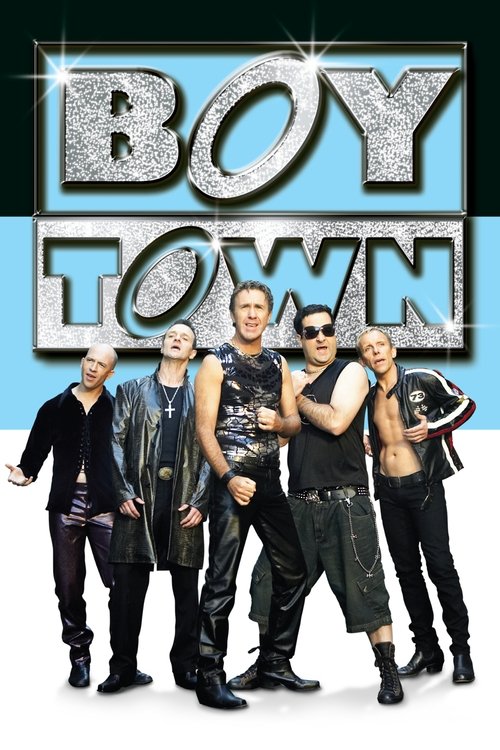
2006
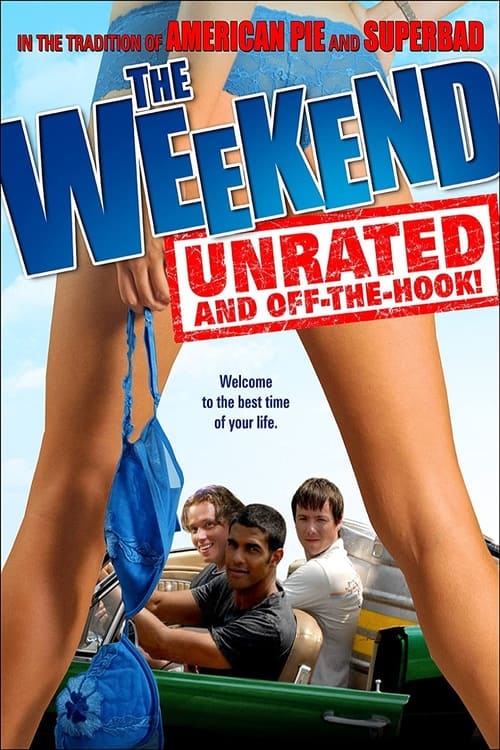
2007

2017
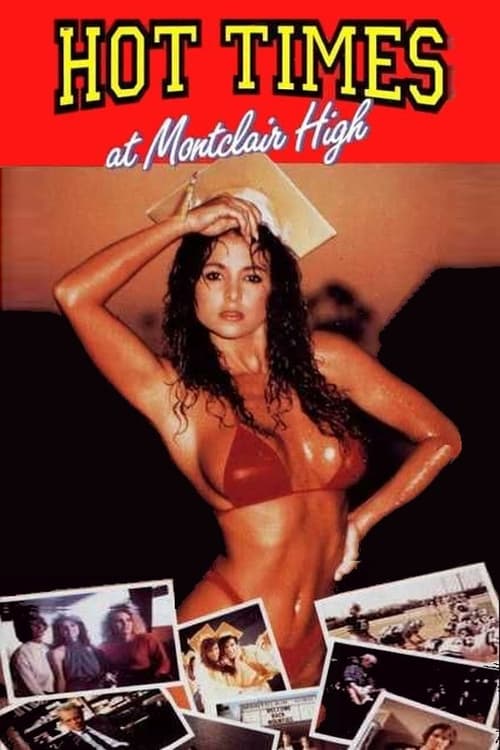
1989
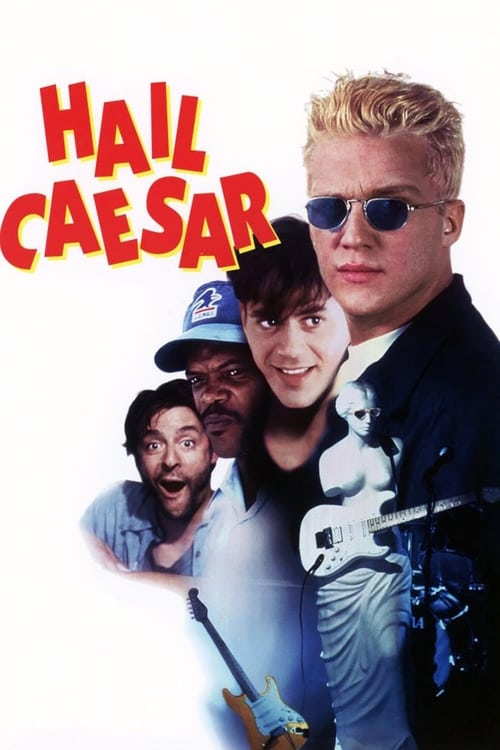
1994
1981
No reviews yet. Be the first to share your thoughts on this movie!
Use the rating form above to leave a star rating and optional review.