
Mi canción es para ti
1965
No user ratings available yet
Representation score: 2.0 out of 10
Representation Score
Limited
1966
TV-14Director
Miguel M. Delgado
Runtime
95 minutes
Average Rating
No ratings yetNew Showbiz Analysis
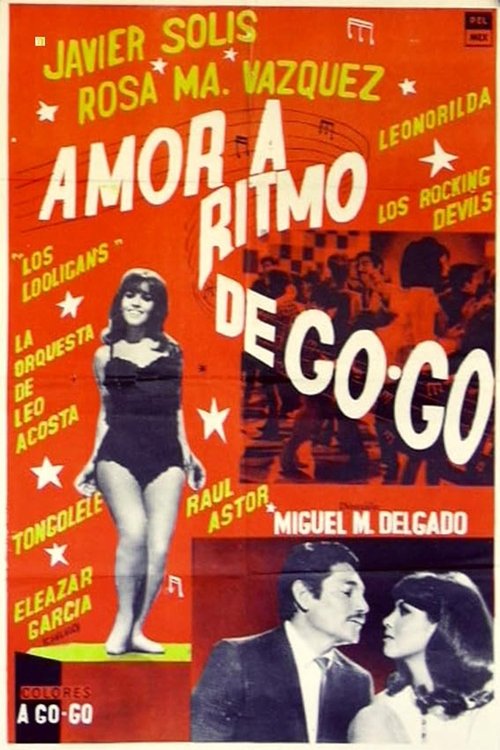
Amor a ritmo de go go is a product of its time, adhering to the comedic clichés of mid-20th-century films. The film prioritizes traditional character types and social roles over challenging systemic norms. The narrative revolves around a generational conflict between older taxi drivers and younger women. This structure reinforces conventional social hierarchies rather than disrupting them. While culturally significant within the Mexican film industry, the work serves as a standard commercial comedy. It does not aim to represent diverse identities or challenge traditional power structures.
Category Breakdown
The film does not include non-binary or LGBTQ+ identities. It follows a traditional heterosexual framework typical of 1960s commercial comedies.
The story focuses on a generational gap between older men and younger women. Women have some influence in the coffeehouse setting, but the main conflicts center around male characters.
The cast reflects the cultural norms of the Mexican film industry in 1966. It includes a non-Anglo-Saxon cast but does not blend multiple ethnicities intentionally.
The film presents a light-hearted social comedy that emphasizes traditional values. Rock-n-roll elements serve as a backdrop without critiquing societal norms.
There is no indication of characters with visible or invisible disabilities in the available narrative information.
Present on Screen
Limited or Absent
Official Synopsis
Two older-generation taxi drivers get involved with chicks from a rock-n-roll coffeehouse.
1965

1968
1972
1960
1960

1964
1962

1968
No reviews yet. Be the first to share your thoughts on this movie!
Use the rating form above to leave a star rating and optional review.