June Moon
1974
No user ratings available yet
Representation score: 3.5 out of 10
Representation Score
Limited
1968
PG-13Director
William Friedkin
Runtime
99 minutes
Average Rating
No ratings yetNew Showbiz Analysis
The film serves as a period comedy that leans heavily into the social clichés of the 1920s. While it offers a degree of ability to act to its female protagonist, the structural foundation remains rooted in traditional gender hierarchies and a largely homogeneous demographic profile. The narrative's primary progressive element is the friction between institutionalized morality and individualistic pursuits. This conflict is explored through the lens of comedic situationalism rather than a deep systemic critique. Ultimately, the film reflects the era's social realities without attempting to disrupt them through diverse casting or queer subtext.
Category Breakdown
The film follows traditional romantic standards typical of its time. Romantic tension revolves around the female lead and two male suitors.
Rachel's journey from an Amish community to the burlesque circuit highlights female autonomy. However, the plot remains centered on a male-dominated dynamic where women act as romantic catalysts.
The cast is predominantly homogeneous, reflecting the historical constraints of the 1920s New York entertainment scene. It lacks diverse ethnic ensembles or race-bent casting.
The story highlights the clash between religious traditionalism and secular vaudeville culture. It frames moral authorities as obstacles to artistic expression through comedic subversion.
There are no prominent depictions of physical or neurodivergent characters within the narrative.
Present on Screen
Limited or Absent
Official Synopsis
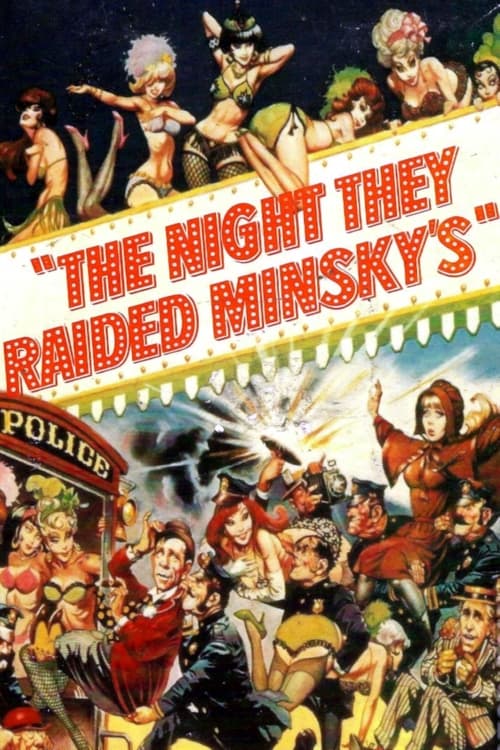
Rachel arrives in New York from her Amish community intent on becoming a dancer. Unfortunately Billy Minsky's Burlesque is hardly the place for her Dances From The Bible. But the show's comedian Raymond sees a way of wrong-footing the local do-gooders by announcing the new Paris sensation "Mme Fifi" and putting on Rachel's performance as the place is raided. All too complicated, the more so since her father is scouring the town for her and both Raymond and his straight-man Chick are falling for Rachel.
1974
1967
1960

1963
1964
1950
1977
1969
No reviews yet. Be the first to share your thoughts on this movie!
Use the rating form above to leave a star rating and optional review.