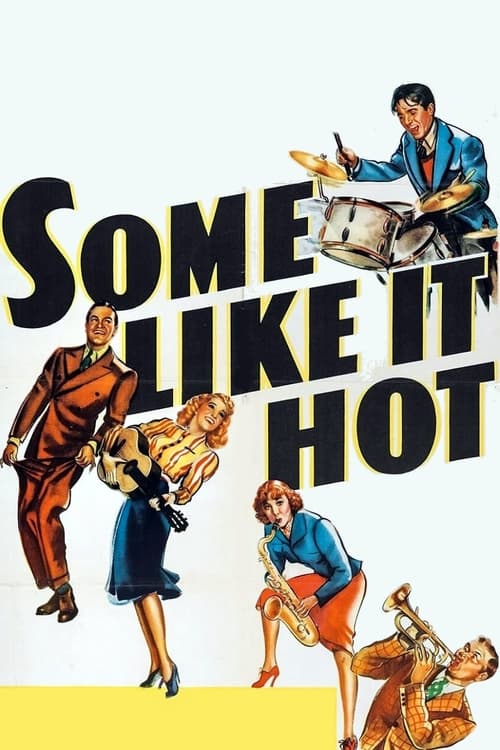
Some Like It Hot
1939
No user ratings available yet
Representation score: 1.4 out of 10

Representation Score
Minimal
1941
NRDirector
George Marshall
Runtime
86 minutes
Average Rating
No ratings yetNew Showbiz Analysis
Pot o' Gold is a classic example of 1940s Hollywood comedy, designed to provide escapism rather than challenge social norms. The narrative relies on familiar formulas, such as musical performances and traditional romantic plots that reinforce the era's social hierarchy. The film's ethnic specificity is confined to its Irish setting, offering a localized cultural perspective but lacking broader diversity. It does not challenge mid-century norms with multi-layered complexity or diverse casting. Overall, the film offers a traditional comedic experience that upholds conventional gender roles and social stability, avoiding exploration of complex identity politics or subversive themes.
Category Breakdown
The film adheres to a traditional structure that assumes everyone is straight and cisgender. There are no representations of non-binary genders or same-sex relationships.
The movie upholds traditional mid-century gender roles. The male lead drives the story, while the female characters mainly serve as romantic goals.
The film focuses on an Irish ethnic setting and lacks characters from other racial backgrounds. It does not explore multiple aspects of identity.
The story centers around typical Western values, emphasizing family bonds and economic success. It highlights traditional social structures.
There are no characters with visible or invisible disabilities. All characters follow standard physical and neurotypical archetypes.
Present on Screen
Limited or Absent
Official Synopsis
Jimmy, the owner of a failed music shop, goes to work with his uncle, the owner of a food factory. Before he gets there, he befriends an Irish family who happens to be his uncle's worst enemy because of their love for music and in-house band who constantly practices. Soon, Jimmy finds himself trying to help the band by getting them gigs and trying to reconcile the family with his uncle.
1939

1933
1936
1962

1932

1936
1935
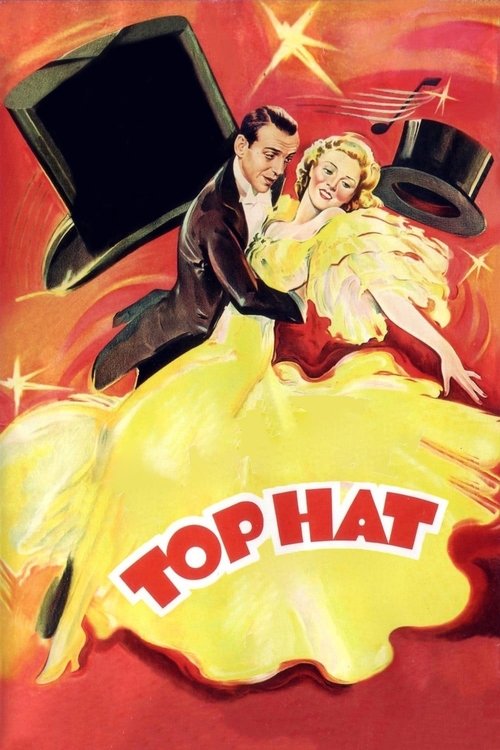
1935
No reviews yet. Be the first to share your thoughts on this movie!
Use the rating form above to leave a star rating and optional review.