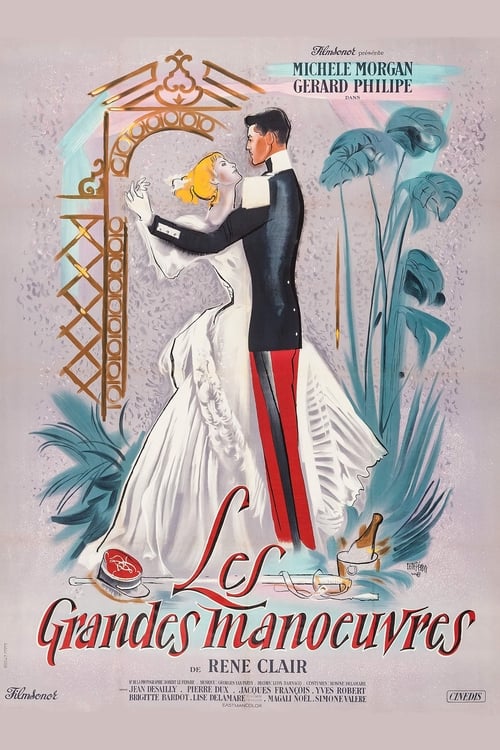
The Grand Manoeuvre
1955
No user ratings available yet
Representation score: 1.9 out of 10
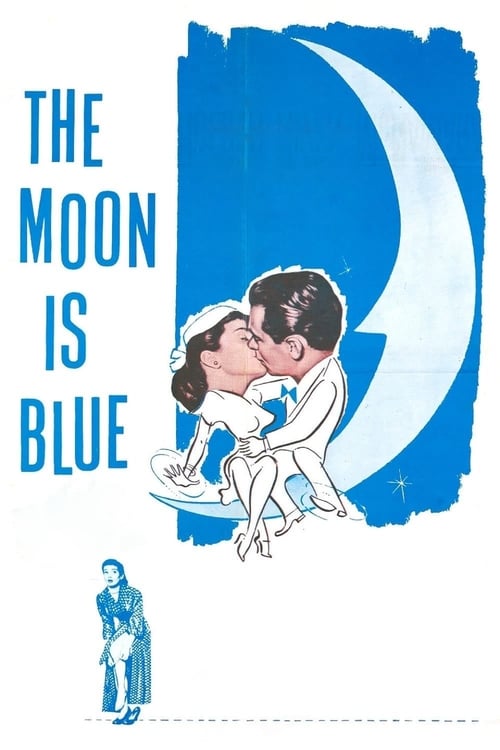
Representation Score
Fair
1953
ApprovedDirector
Otto Preminger
Runtime
99 minutes
Average Rating
No ratings yetNew Showbiz Analysis
The Moon Is Blue presents a complex picture of its era. While it fails to offer meaningful representation for LGBTQ+ individuals, racial minorities, or people with disabilities, it stands out for its progressive treatment of gender and social morality. By giving female characters significant roles and ability to act, the film challenges the era's expectation of submissive femininity. Additionally, its narrative that questions restrictive social norms makes it a notable exception despite its limited casting practices.
Category Breakdown
The story centers around heterosexual relationships and does not depict any queer identities or same-sex intimacy.
Female characters play a significant role in driving the story and exhibit strong ability to act and verbal assertiveness, rejecting male advances on their own terms.
The cast is primarily white, reflecting the homogeneous demographics of the 1953 setting. There are no significant racial or ethnic minorities represented.
The film critiques the rigid social institutions and bourgeois morality of the time. It emphasizes personal truth and frankness over established social etiquette.
The narrative lacks prominent depictions of physical or neurodivergent disabilities. Characters exist within a standard able-bodied framework.
Present on Screen
Limited or Absent
Official Synopsis
Two aging playboys are both after the same attractive young woman, but she fends them off by claiming that she plans to remain a virgin until her wedding night. Both men determine to find a way around her objections.
1955

1952
1957
1948

1998
1955
1967

1938
No reviews yet. Be the first to share your thoughts on this movie!
Use the rating form above to leave a star rating and optional review.