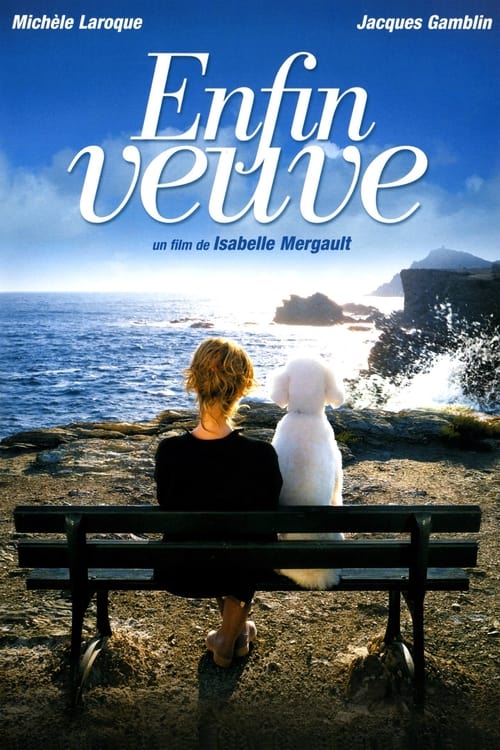
The Merry Widow
2007
No user ratings available yet
Representation score: 3.2 out of 10
Representation Score
Good
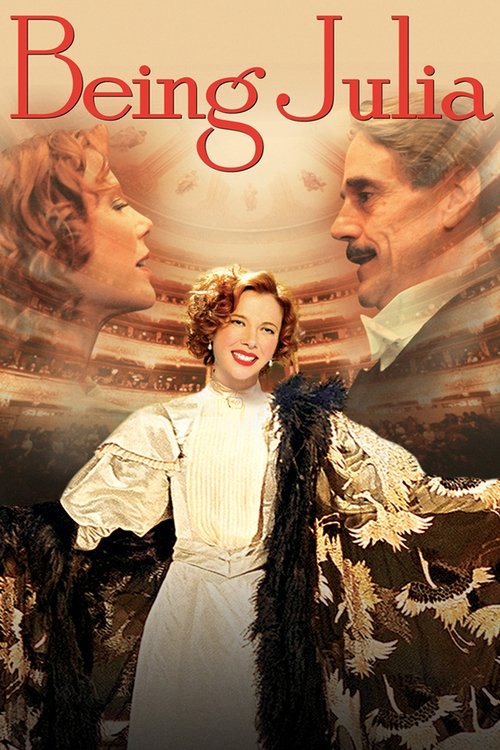
2004
RDirector
István Szabó
Runtime
104 minutes
Average Rating
No ratings yetNew Showbiz Analysis
Being Julia is a sophisticated character study that prioritizes intellectual depth over conventional storytelling. It succeeds by centering women's ability to drive the story and exploring the complex psychological lives of its protagonists. However, the film is limited by its narrow social scope. The focus on mid-20th-century intellectual elites results in a lack of racial and LGBTQ+ diversity. Ultimately, the film's value lies in its refusal to follow stable moral structures, opting instead for a nuanced interrogation of the subjective self.
Category Breakdown
The film does not include explicit same-sex romantic relationships or non-cisgender identities. It explores intense psychological connections between two women but focuses on obsession and identity fragmentation rather than queer identity.
The narrative challenges traditional gender hierarchies by centering on female intellectualism and creative dominance. It portrays the 'diva' archetype as a position of autonomy and power rather than a domestic caricature.
The cast remains relatively homogeneous, reflecting the social constraints of the mid-20th century. The story focuses on European and American intellectual spheres with little diversity in racial backgrounds.
The film uses postmodern techniques to question the stability of truth and identity. It prioritizes subjective experience and the deconstruction of the creator persona over traditional biographical norms.
Themes of psychological instability and self-fragmentation are central to the plot. However, these elements serve the postmodern narrative rather than providing a dedicated exploration of neurodivergence or disability.
Present on Screen
Limited or Absent
Official Synopsis
Julia Lambert is a true diva: beautiful, talented, weathly and famous. She has it all - including a devoted husband who has mastermined her brilliant career - but after years of shining in the spotlight she begins to suffer from a severe case of boredom and longs for something new and exciting to put the twinkle back in her eye. Julia finds exactly what she's looking for in a handsome young American fan, but it isn't long before the novelty fling adds a few more sparks than she was hoping for. Fortuately for her, this surprise twist in the plot will thrust her back into the greatest role of her life.
2007
1955
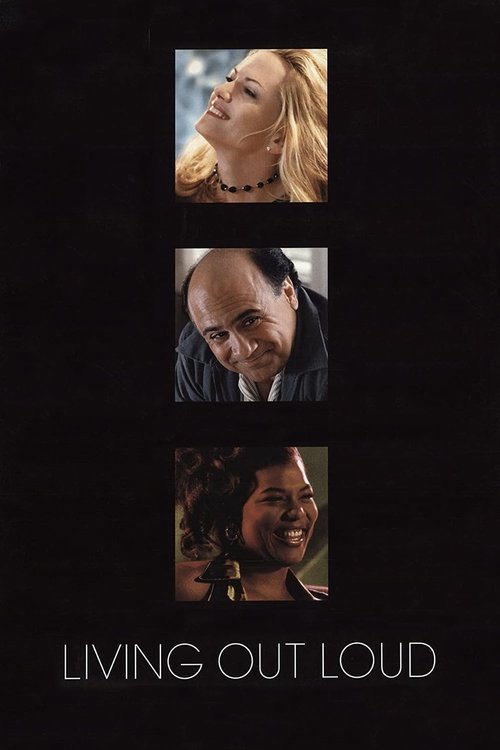
1998

1970
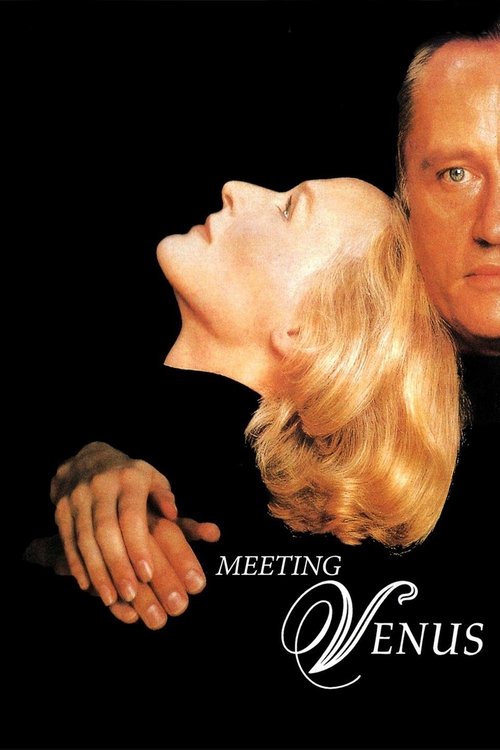
1991
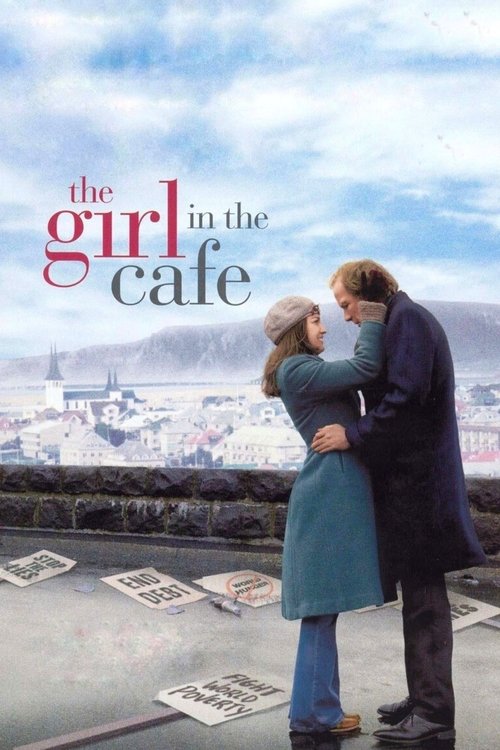
2005

1979
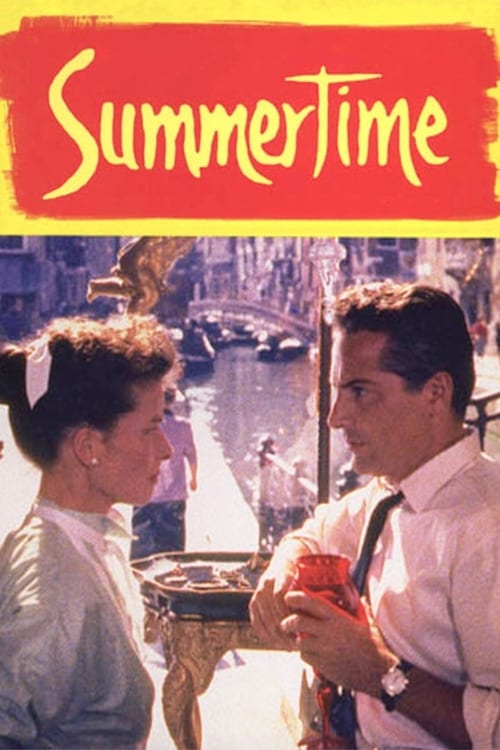
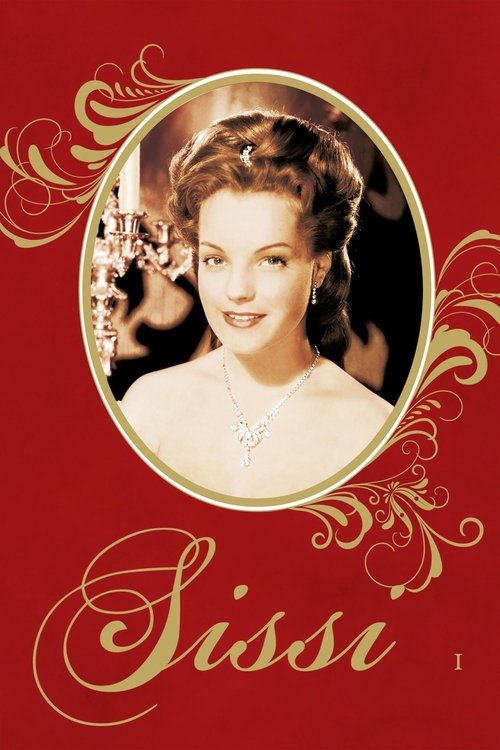
1955
No reviews yet. Be the first to share your thoughts on this movie!
Use the rating form above to leave a star rating and optional review.