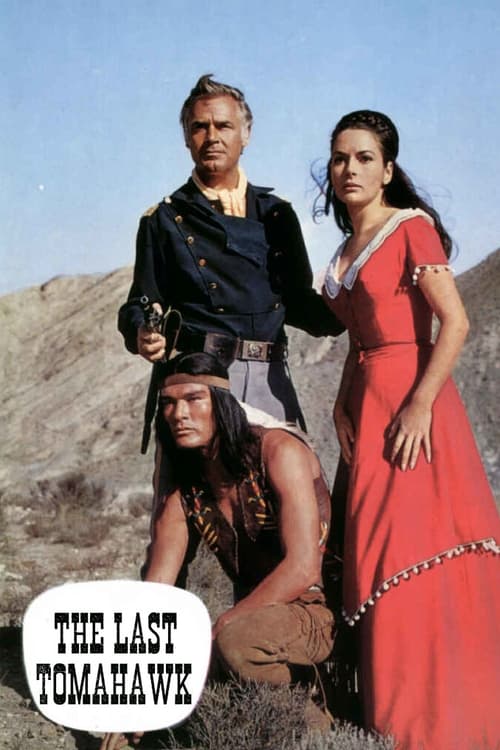
The Last Tomahawk
1965
No user ratings available yet
Representation score: 1.4 out of 10
Representation Score
Minimal
1947
NRDirector
George Sherman
Runtime
79 minutes
Average Rating
No ratings yetNew Showbiz Analysis
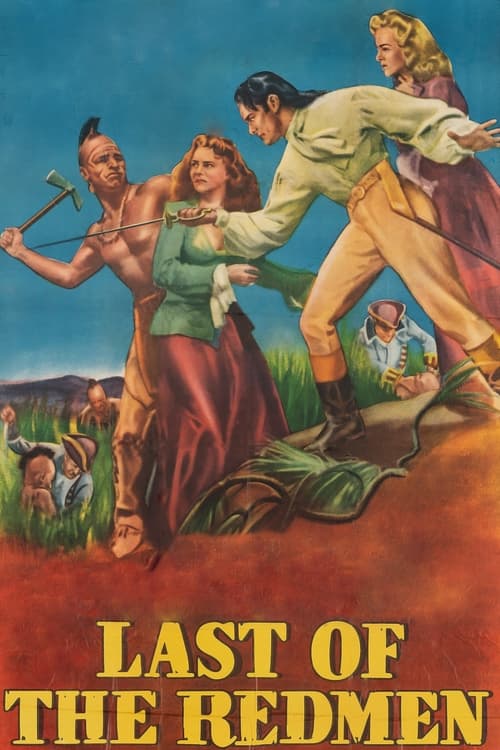
Last of the Redmen is a quintessential mid-century Western that adheres to established genre clichés. It functions as a product of its era, reinforcing traditional power dynamics rather than challenging them. The film relies heavily on archetypes, particularly regarding Indigenous characters and gender roles. While it features a significant presence of tribal characters, they often serve as plot devices within a colonialist framework. Ultimately, the production lacks the intentionality required for multi-layered representation. It prioritizes the survival of the settler family unit and military authority over nuanced or diverse perspectives.
Category Breakdown
The film does not include any representation of LGBTQ+ identities. Character dynamics follow conventional social structures, without challenging the assumption that everyone is straight or cisgender.
Male characters like Major Duncan Hayward and General Munro play a significant role in driving the story and play key roles in driving the story. Female characters are central to the stakes but are often defined by their vulnerability and need for protection.
Indigenous characters provide visual diversity but often function as archetypes within a colonialist framework. Characters like Magua are portrayed as plot devices rather than nuanced individuals.
The narrative emphasizes settler-colonial perspectives and the preservation of military and familial structures. It reinforces colonial authority and the sanctity of the family unit without offering modern critiques.
There is no portrayal of neurodivergence, physical disability, or chronic illness. The film focuses exclusively on physical prowess and survivalism.
Present on Screen
Limited or Absent
Official Synopsis
A family-oriented adaption of James Fenimore Cooper's "The Last of the Mohicans." As the French-Indian War rages across the untamed territory of the Great Northwest, the embattled wilderness gives birth to a legend -- the proud legend of "The Last of the Red Men." August, 1757, General Montcalm and his Iroquois alalies are on the war path -- and General Munro fears for the lives of his children as they travel to join him at Fort William Henry. Although Munro dispatches a letter urging them to take refuge at Fort Edward until the road is safe, an Iroquois scout intercepts the warning. So Major Duncan Hayward is unaware of the danger as he escorts Alice Munro, her sister Cora, and her young brother Davy from the sanctuary of the fort. When their guide Magua, a vengeful Iroquois played by Buster Crabbe, betrays them, only one man can save the travelers from his savage trap.
1965
1966
1965
1960
1950
1955
1936

1971
No reviews yet. Be the first to share your thoughts on this movie!
Use the rating form above to leave a star rating and optional review.