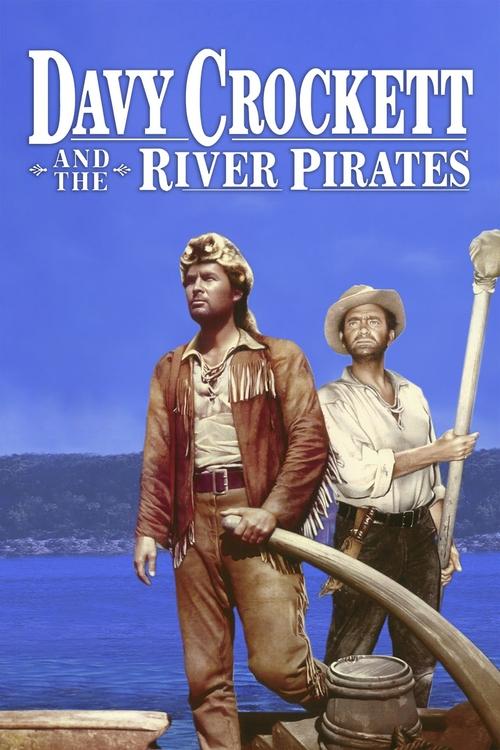
Davy Crockett and the River Pirates
1956
No user ratings available yet
Representation score: 0.3 out of 10
Representation Score
Minimal
1955
GDirector
Norman Foster
Runtime
93 minutes
Average Rating
No ratings yetNew Showbiz Analysis
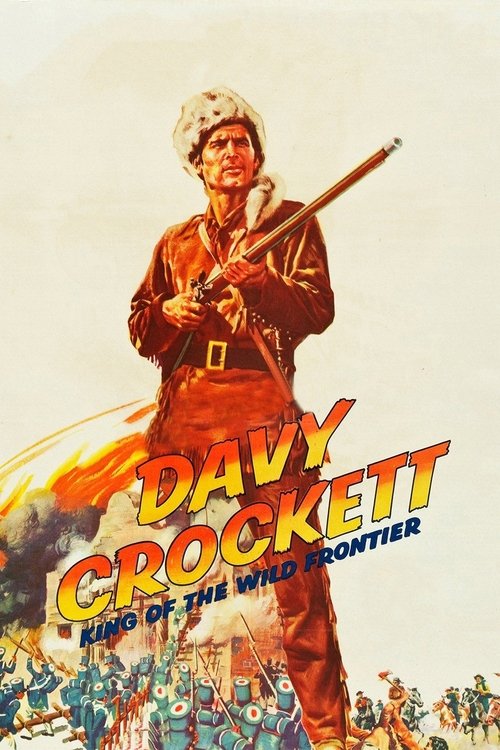
Davy Crockett, King of the Wild Frontier is a classic example of mid-century American myth-making. The film reinforces traditional social hierarchies and Western expansionist ideals through its narrative structure. White, masculine protagonists dominate the story, creating a homogeneous portrayal of ability to act. The storytelling emphasizes historical romanticism and the 'pioneer spirit' over diverse perspectives. Ultimately, the film upholds traditional Western values, presenting the expansion of territory as a positive and necessary endeavor.
Category Breakdown
The film does not include any characters with non-straight or non-cisgender identities. It stays within a traditional mid-century framework without featuring any queer-coded storylines.
The story focuses on typical masculine heroes who emphasize physical strength and leadership. Female characters are mostly shown in supporting or domestic roles.
The casting emphasizes white settlers and the pioneering spirit. Native American populations are depicted as obstacles to expansion rather than having their own choices and roles.
The film celebrates Western expansionism and the 'civilizing' frontier without questioning the impact of colonization or the displacement of indigenous peoples.
There is no representation of physical or neurodivergent disabilities in the film. Characters are portrayed as physically perfect and capable survivors.
Present on Screen
Limited or Absent
Official Synopsis
Legends (and myths) from the life of famed American frontiersman Davy Crockett are depicted in this feature film edited from television episodes. Crockett and his friend George Russel fight in the Creek Indian War. Then Crockett is elected to Congress and brings his rough-hewn ways to the House of Representatives. Finally, Crockett and Russell journey to Texas and the last stand at the Alamo.
1956
1962
1970
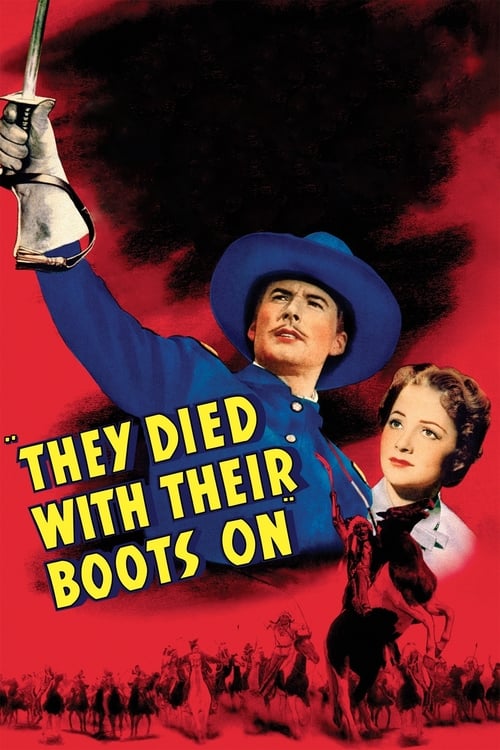
1941
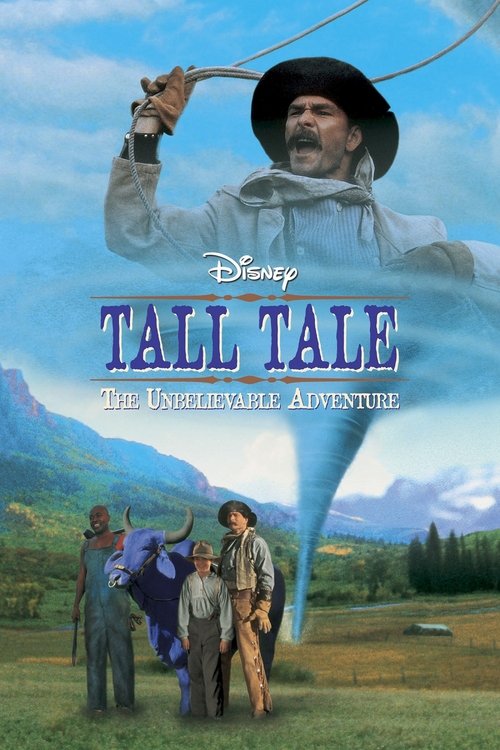
1995
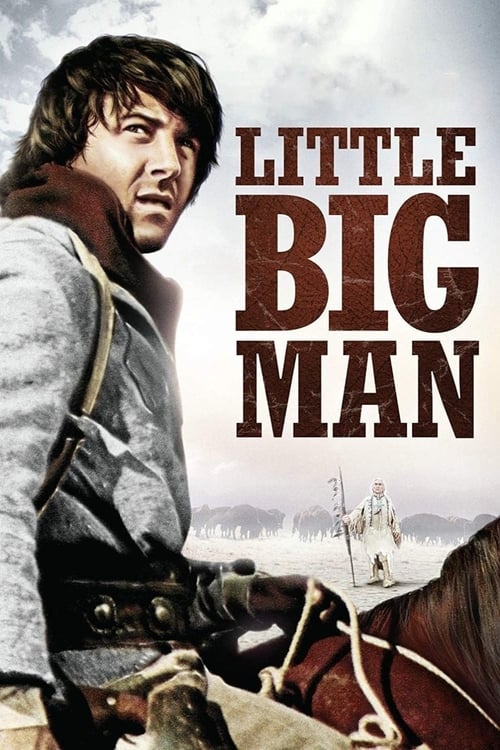
1970

1979
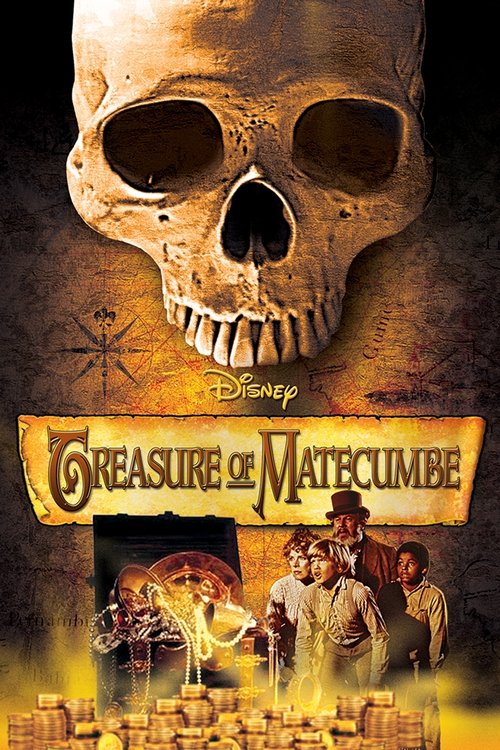
1976
No reviews yet. Be the first to share your thoughts on this movie!
Use the rating form above to leave a star rating and optional review.