O
2006
No user ratings available yet
Representation score: 7.5 out of 10
Representation Score
Good
2007
Director
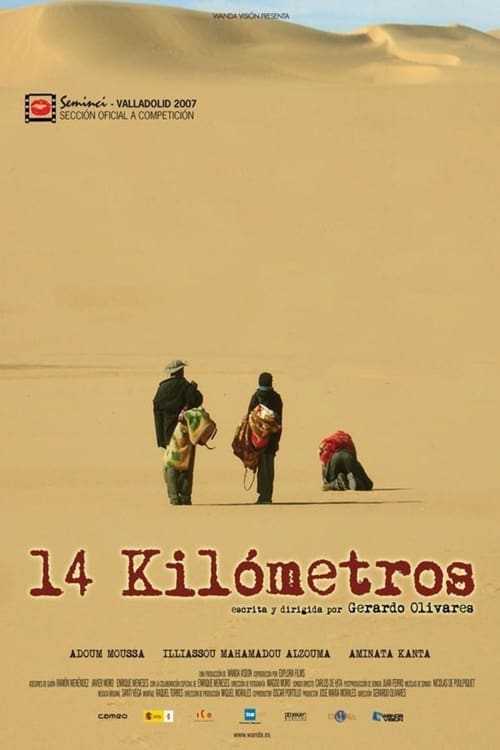
Gerardo Olivares
Runtime
95 minutes
Average Rating
No ratings yetNew Showbiz Analysis
Gerardo Olivares presents a powerful story that centers North African ability to act. By avoiding a colonial perspective, the film emphasizes the lived experiences of its indigenous characters. While the film excels in cultural authenticity, it does not delve deeply into social identity politics. It lacks representation of LGBTQ+ themes and does not challenge traditional gender roles, focusing instead on the struggle for survival. Overall, the film offers a significant shift from conventional storytelling, providing a nuanced, post-colonial view of displacement and systemic vulnerability.
Category Breakdown
The film focuses on a survivalist journey and family reunion. It does not include any queer narratives or non-traditional gender identities.
The story centers around a resilient male protagonist named Mohammed. It avoids presenting submissive femininity but does not challenge traditional masculine stereotypes.
The film features a predominantly North African and Berber cast, achieving a high level of authenticity. It avoids a colonial perspective by giving indigenous characters control over their own environment.
The film explores the experiences of refugees and the challenges they face. It highlights the tension between personal survival and broader geopolitical issues in a post-colonial context.
There are no permanent disabilities central to the main characters' stories. The film depicts temporary physical vulnerabilities due to harsh environmental conditions.
Present on Screen
Limited or Absent
Official Synopsis
Three people looking for a better life become stranded in the desert with little hope of survival.
2006
1963
1984

2013
2014

2013

2020

2008
No reviews yet. Be the first to share your thoughts on this movie!
Use the rating form above to leave a star rating and optional review.