
Red Shoes
2022
No user ratings available yet
Representation score: 5.0 out of 10
Representation Score
Good
2012
NRDirector
Carlos Reygadas
Runtime
115 minutes
Average Rating
No ratings yetNew Showbiz Analysis
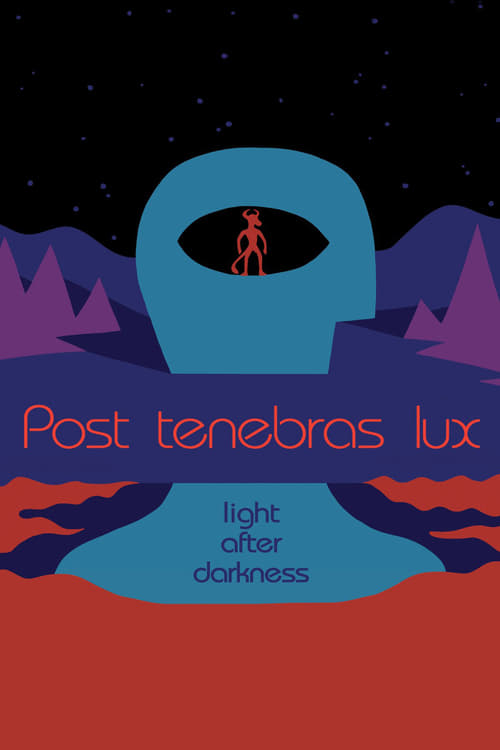
Post Tenebras Lux is a sophisticated piece of postmodern cinema that disrupts conventional narrative expectations. It achieves its strength by centering non-Anglo-Saxon perspectives and embracing moral relativism over established institutional values. While the film lacks explicit focus on specific identity politics like LGBTQ+ or disability representation, it challenges Western-centric storytelling. It replaces traditional social structures with a fluid, naturalistic view of existence. Ultimately, the film's value lies in its radical deconstruction of narrative norms, prioritizing complex, subjective truths over rigid archetypes found in mainstream drama.
Category Breakdown
The film does not include explicit LGBTQ+ characters or narratives. It focuses on primal and existential themes rather than social dynamics centered around identity.
Reygadas challenges traditional gender hierarchies by breaking down patriarchal and matriarchal stereotypes. Characters are shown through a raw, fragmented perspective of human experience.
The film centers a Mexican family within their own cultural context. It avoids a touristy portrayal, offering nuanced roles to a predominantly non-white cast.
The narrative rejects organized religious doctrine in favor of moral relativism. It presents the divine through a subjective, unsettling, and naturalistic lens.
The story does not feature characters with visible or invisible disabilities as central figures. The focus remains on the collective subconscious and cyclical nature of life.
Present on Screen
Limited or Absent
Official Synopsis
Juan and his urban family live in the Mexican countryside, where they enjoy and suffer a world apart. And nobody knows if these two worlds are complimentary or if they strive to eliminate one another.
2022

2001

2018
2015
2009

2015

2007

2007
No reviews yet. Be the first to share your thoughts on this movie!
Use the rating form above to leave a star rating and optional review.