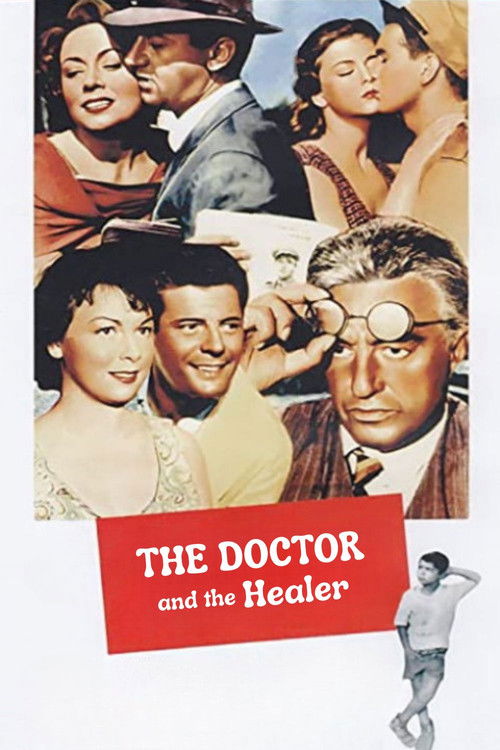
Doctor and the Healer
1957
No user ratings available yet
Representation score: 3.8 out of 10
Representation Score
Limited
1954
Director
Mario Mattoli
Runtime
83 minutes
Average Rating
No ratings yetNew Showbiz Analysis
Mario Mattoli’s comedy is a product of its historical context, focusing on slapstick and farce rather than social critique. The film upholds mid-century norms without challenging them. The narrative structure relies on traditional archetypes and a homogeneous demographic. It serves as a culturally specific comedy that avoids exploring multiple layers of diversity or disrupting established social hierarchies. Despite the protagonist using deception to navigate institutional settings, the film remains anchored in the conventional social structures of 1950s Italy.
Category Breakdown
The film does not feature any LGBTQ+ characters or non-straight identities. It adheres to traditional mid-century social structures without addressing queer identities.
Gender roles remain traditional, reflecting the hierarchies typical of 1950s Italian cinema. There is a noticeable absence of female empowerment or challenges to male authority.
The cast is primarily Italian, mirroring the demographic uniformity of the time. The story does not include diverse racial backgrounds or perspectives from non-white characters.
The setting employs a psychiatric hospital to highlight the absurdities of bureaucratic systems through farce. However, it does not offer a critical look at institutions or advocate for secularism.
Characters with mental health issues are central to the plot but are often portrayed in a caricatured manner. They lack the depth and complexity needed for modern representation.
Present on Screen
Limited or Absent
Official Synopsis
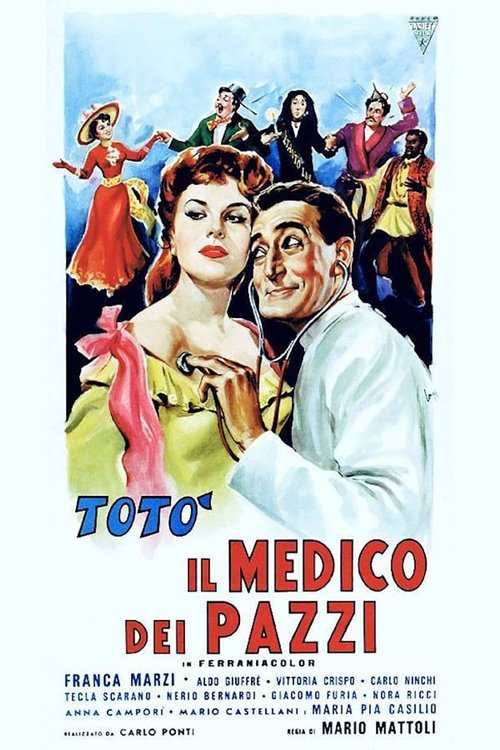
Felice Sciosciammocca, the mayor of Roccasecca, sends his nephew Ciccillo to Naples so that he will become a good doctor.
1957
1953
1958
1981
1968
1960
1969
1950
No reviews yet. Be the first to share your thoughts on this movie!
Use the rating form above to leave a star rating and optional review.