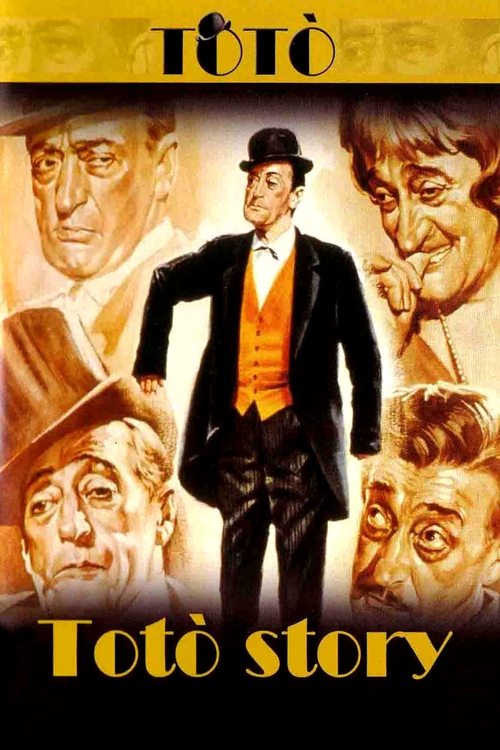
Totò Story
1968
No user ratings available yet
Representation score: 3.4 out of 10
Representation Score
Limited
1958
Director
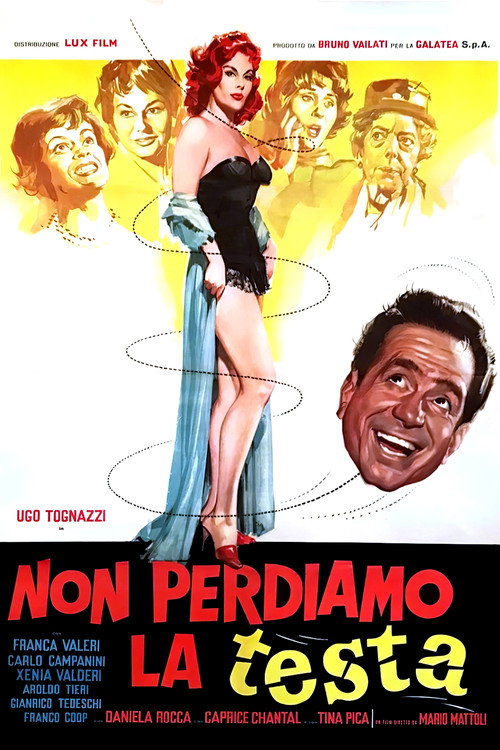
Mario Mattoli
Runtime
85 minutes
Average Rating
No ratings yetNew Showbiz Analysis
This comedy is a classic example of its time, focusing on physical humor and wordplay. It builds on traditional hierarchies and a cast that reflects the local Italian culture of the late 1950s. While the story uses a psychiatric setting, it emphasizes situational absurdity rather than addressing mental health issues seriously. The film serves as a cultural record of mid-century social norms without challenging broader societal structures. Overall, the work sticks closely to the patriarchal and ethnically uniform norms of its time, offering little change from established social customs.
Category Breakdown
The film doesn't include any LGBTQ+ characters or stories. It follows traditional structures that assume everyone is straight.
Women in the film mainly support the male leads. Men have most of the comedic moments and control over the story.
The cast is mostly made up of people from similar backgrounds, reflecting the cultural norms of mid-century Italy.
The movie looks at class differences through a stable, traditional lens. It doesn’t explore diverse cultural backgrounds.
Mental health issues are central to the story, but they are used more for humor than for understanding different experiences.
Present on Screen
Limited or Absent
Official Synopsis
A psychiatric-clinic medical director runs some tests on two patients, the Ragionier Antonio Vignanelli and Cavalier Peppino Caprioli, so they must retrieve some memories of family life in order to understand their mental illness.
1968

1980
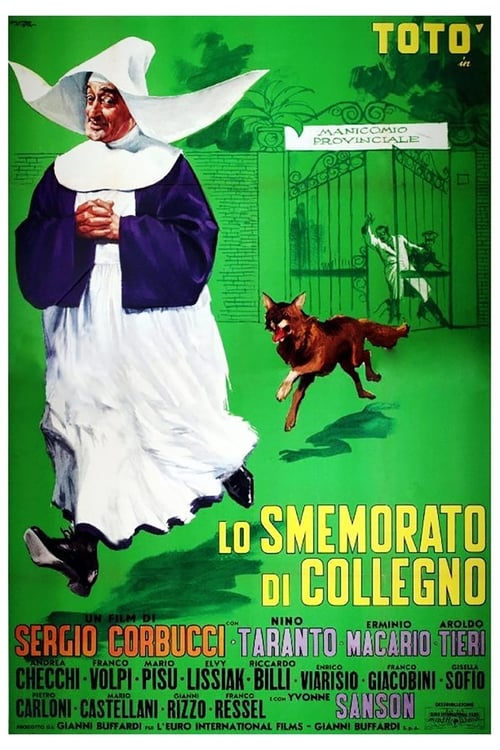
1962

2014
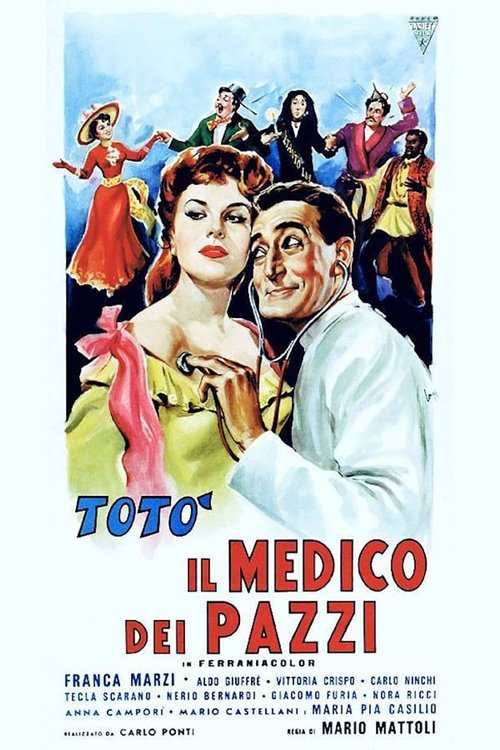
1954
1960
1982
1959
No reviews yet. Be the first to share your thoughts on this movie!
Use the rating form above to leave a star rating and optional review.