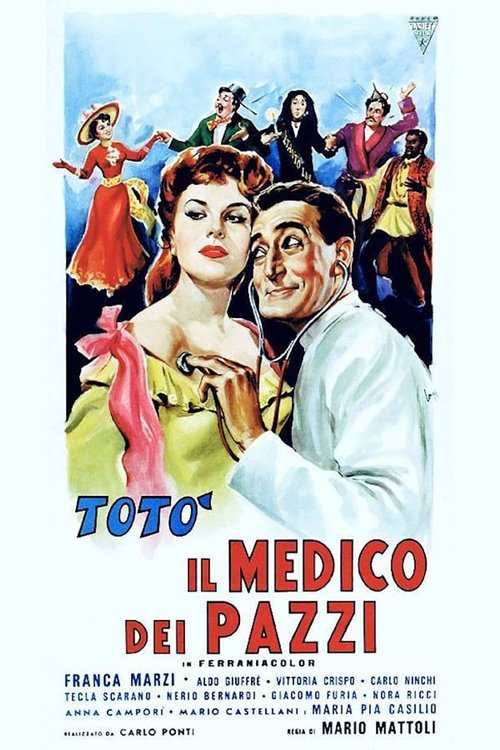
Il medico dei pazzi
1954
No user ratings available yet
Representation score: 2.3 out of 10
Representation Score
Limited
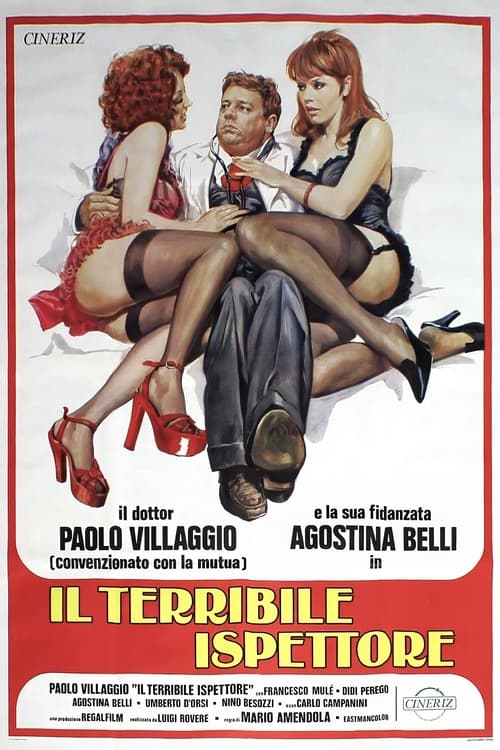
1969
Director
Mario Amendola
Runtime
91 minutes
Average Rating
No ratings yetNew Showbiz Analysis
Il Terribile Ispettore is a product of its time, focusing on the comedic aspects of class mobility. The narrative centers on a porter's quest for medical status, emphasizing personal ambition over social critique. The film adheres to the established standards of late-1960s European comedy. It lacks the depth needed to challenge systemic power dynamics or explore diverse identities. Overall, the film serves as a conventional character study, reflecting the homogeneous social and demographic norms of the era without attempting to disrupt them.
Category Breakdown
The film does not include any representation of LGBTQ+ identities or same-sex relationships, sticking to the traditional social norms of 1969 Italian comedy.
The story focuses on a male protagonist's career goals, following the typical gender roles and masculine stereotypes of the era without challenging traditional gender hierarchies.
The casting likely mirrors the homogeneous demographics of 1960s Italy, with no indication of a diverse or non-Anglo-Saxon majority cast.
The narrative examines the tension between class aspirations and social climbing, operating within a traditional framework without explicitly critiquing societal institutions.
There is no information available regarding the portrayal of characters with physical or neurodivergent disabilities.
Present on Screen
Limited or Absent
Official Synopsis
The ambition of a simple porter to become a real doctor, even though he has no diploma or degree, pushes him to enter the environment he likes so much.
1954

1980
1981
1977
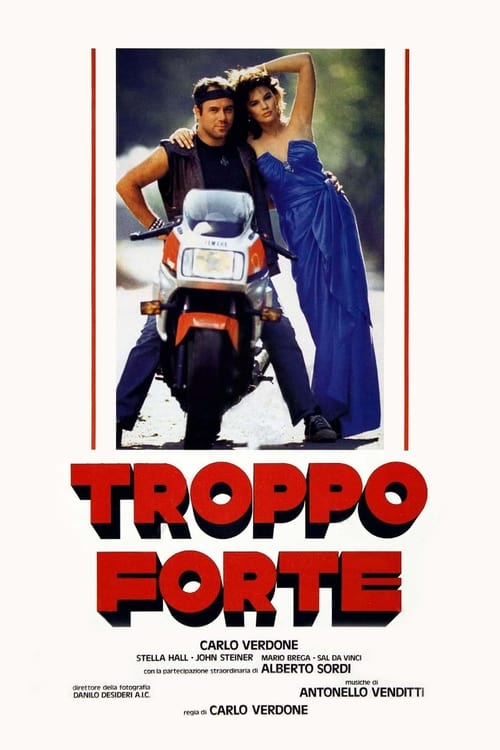
1986
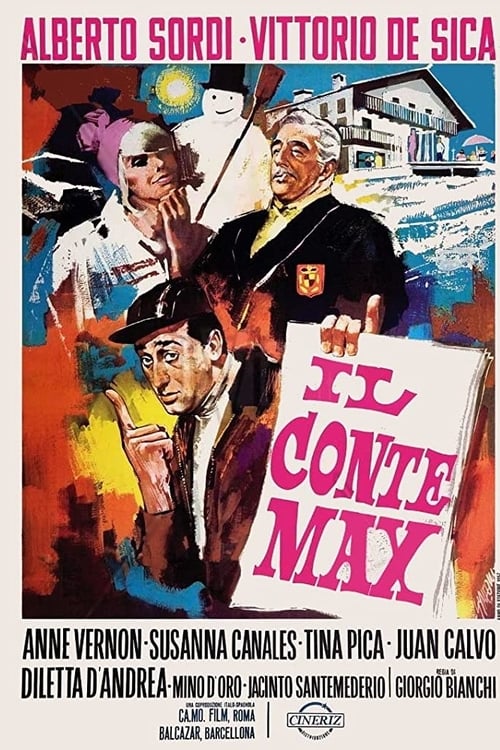
1957
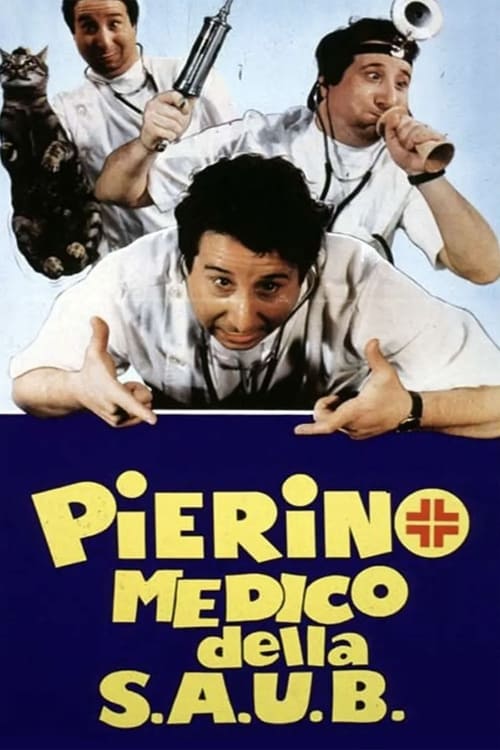
1981
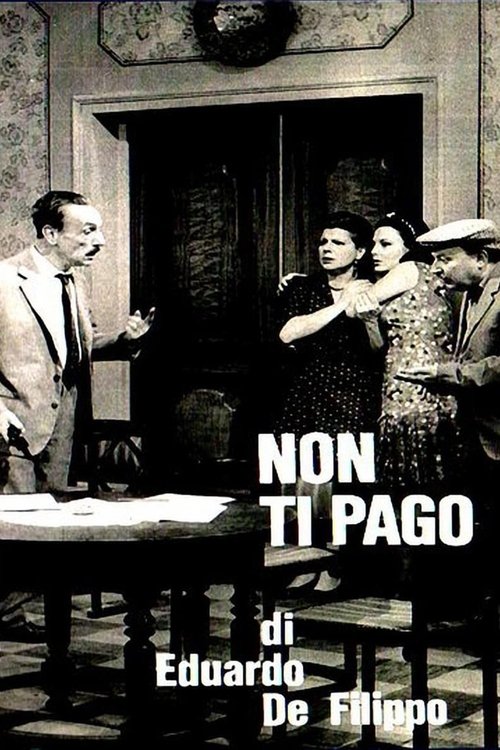
1964
No reviews yet. Be the first to share your thoughts on this movie!
Use the rating form above to leave a star rating and optional review.