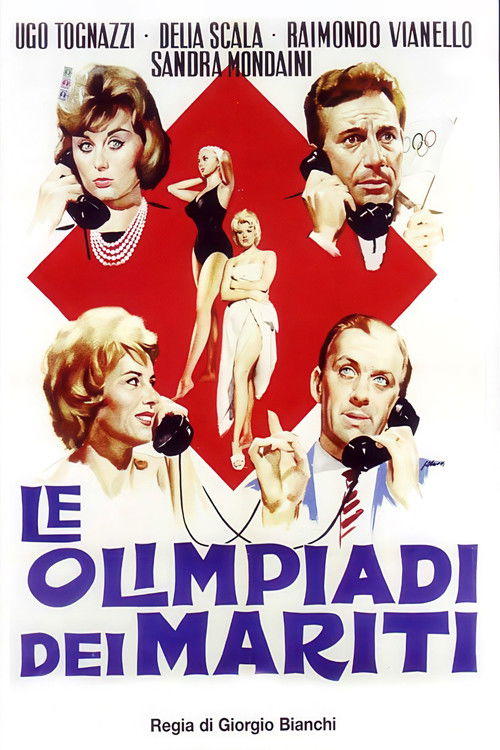
Le Olimpiadi dei mariti
1960
No user ratings available yet
Representation score: 2.0 out of 10
Representation Score
Minimal
1960
Director
Camillo Mastrocinque
Runtime
96 minutes
Average Rating
No ratings yetNew Showbiz Analysis
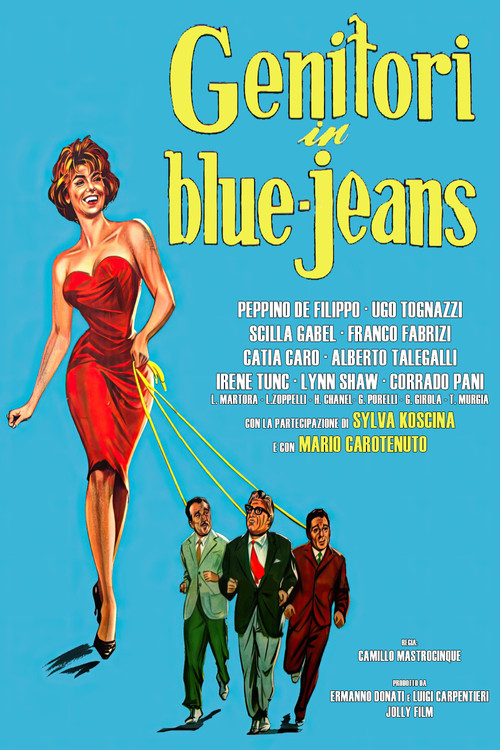
Genitori in blue-jeans is a product of its time, adhering to the traditional social hierarchies prevalent in 1960s Italian comedy. The narrative structure emphasizes a specific type of generational conflict that reinforces mid-century norms rather than challenging them. The film's focus on middle-aged men pursuing younger women suggests a lack of ability to act for female characters. This dynamic leans into established patriarchal clichés common to the period's cinematic landscape. Overall, the work lacks complexity in representing diverse identities. It presents a homogeneous view of society that excludes LGBTQ+ identities, diverse racial backgrounds, or disability inclusion.
Category Breakdown
The film does not include any characters with non-straight sexual orientations or non-cisgender gender identities. The story focuses on traditional, age-disparate heterosexual relationships.
The plot revolves around middle-aged men pursuing younger women. This suggests a patriarchal framework where women are primarily objects of desire rather than active participants.
Reflecting the demographics of 1960s Italy, the film features no indication of diverse casting or blending of different racial backgrounds.
The story operates within the conventional social structures of its time, focusing on individual behaviors rather than broader cultural critiques.
There is no information about the inclusion or portrayal of characters with physical or neurodivergent disabilities.
Present on Screen
Limited or Absent
Official Synopsis
Some middle-aged Italian men try to have affairs with much-younger girls.
1960
1973
1960

1975
1974
1963

1966

1970
No reviews yet. Be the first to share your thoughts on this movie!
Use the rating form above to leave a star rating and optional review.