
Los maistros
1988
No user ratings available yet
Representation score: 0.9 out of 10
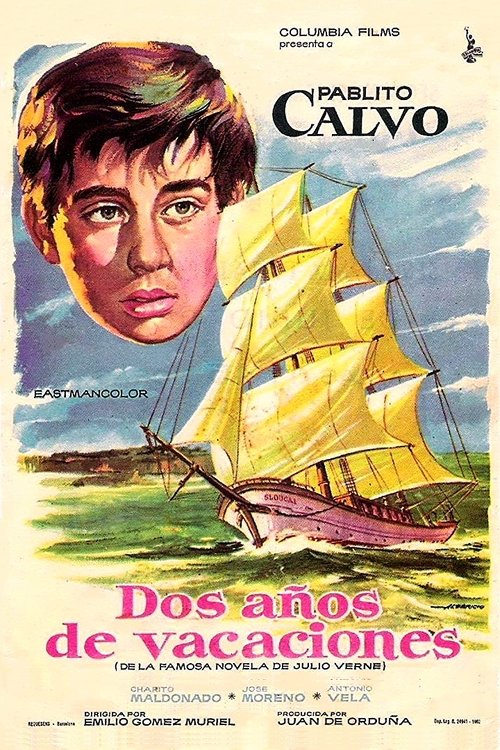
Representation Score
Limited
1962
Director
Emilio Gómez Muriel
Runtime
92 minutes
Average Rating
No ratings yetNew Showbiz Analysis
Dos años de vacaciones is a product of the Golden Age of Mexican cinema, reflecting the social structures of its time. While it offers a regional perspective that diverges from Hollywood standards, it does not actively challenge the status quo. The film focuses on traditional values and social norms, limiting its diversity score due to a lack of representation for underrepresented groups or subversive social themes. Ultimately, the work serves as a cultural time capsule. It provides ethnic representation through its Mexican origin but remains tied to the conservative norms of the early 1960s.
Category Breakdown
The film does not include any queer narratives or non-traditional gender identities. This absence aligns with the typical content of mainstream Mexican cinema from 1962.
The story likely upholds traditional gender roles common in mid-century comedies. There is no indication of female intellectual empowerment or challenging traditional masculinity.
As a Mexican production, the film offers a non-Anglo-Saxon perspective. However, it is unclear whether the story delves into the overlapping factors of race and social class.
The story seems to support traditional family and religious values. It does not include secular or anti-institutional themes that would boost its score.
There is no information available about the portrayal of physical disabilities or neurodivergence in this production.
Present on Screen
Limited or Absent
Official Synopsis
Mexican feature film
1988
1982
1957
1989
1985
1982

1965
1963
No reviews yet. Be the first to share your thoughts on this movie!
Use the rating form above to leave a star rating and optional review.