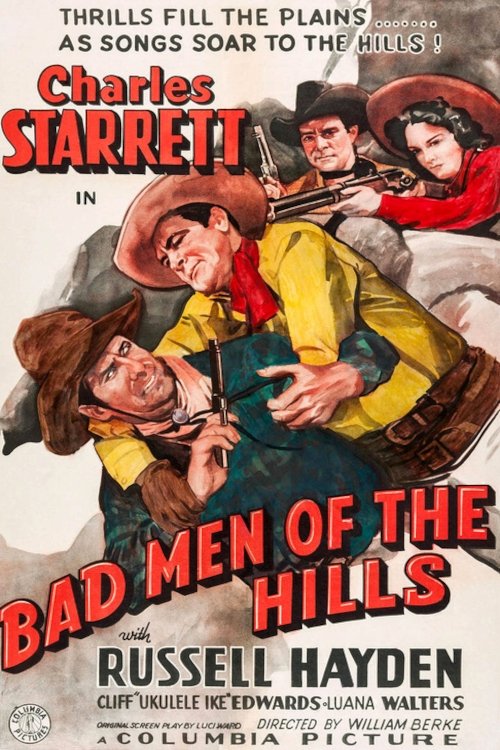
Bad Men of the Hills
1942
No user ratings available yet
Representation score: 0.4 out of 10
Representation Score
Minimal
1942
ApprovedDirector
William Berke
Runtime
58 minutes
Average Rating
No ratings yetNew Showbiz Analysis
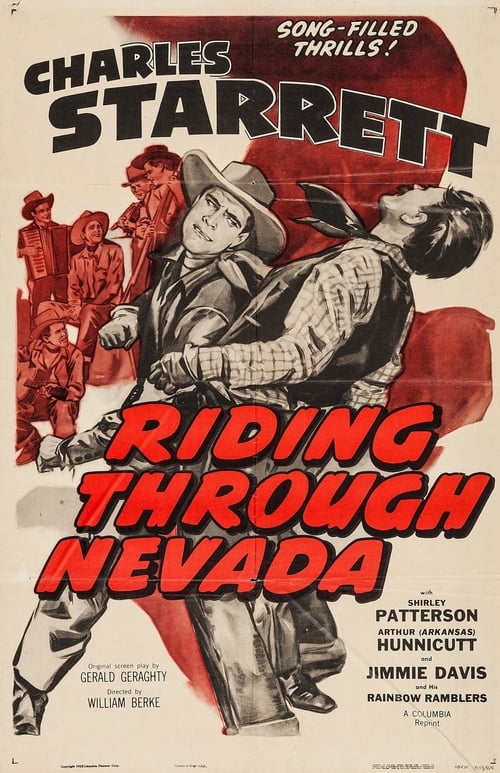
Riding Through Nevada is a quintessential B-movie Western that prioritizes genre clichés over social complexity. The narrative is driven by male protagonists investigating mail service irregularities, which reinforces traditional masculine leadership and gender roles. The film reflects the era's standard of homogeneity, lacking diverse racial, ethnic, or LGBTQ+ representation. It functions as a straightforward action piece centered on preserving established social systems and law and order. Ultimately, the work offers no meaningful multi-layered depth, serving instead as a product of its time that upholds the conventional social structures of the 1940s.
Category Breakdown
The film does not include any LGBTQ+ characters or narratives. It adheres to the conventional straight-centered social structures typical of 1942 cinema.
Plot ability to act is concentrated in male characters like Lowrey and Arkansas. Female characters appear only as supporting figures within traditional gender roles.
The film follows the era's standard of racial homogeneity. There is no evidence of non-Anglo-Saxon characters possessing significant narrative ability to act.
The story focuses on protecting regional infrastructure and enforcing law and order. It reinforces mid-century values regarding institutional stability.
There is no evidence of characters with physical or neurodivergent disabilities. The film relies on standard physical archetypes of the Western genre.
Present on Screen
Limited or Absent
Official Synopsis
Investigating mail service irregularities near Carson City, Lowrey and his sidekick Arkansas (Arthur Hunnicutt) combat outlaws led by Ed Kendall who threaten to disrupt the region, blending traditional western action with intrigue.
1942
1939
1944
1944
1950
1943
1942
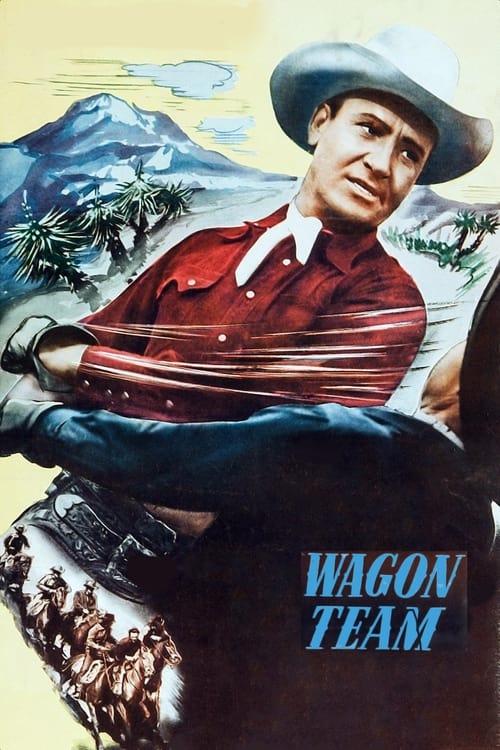
1952
No reviews yet. Be the first to share your thoughts on this movie!
Use the rating form above to leave a star rating and optional review.