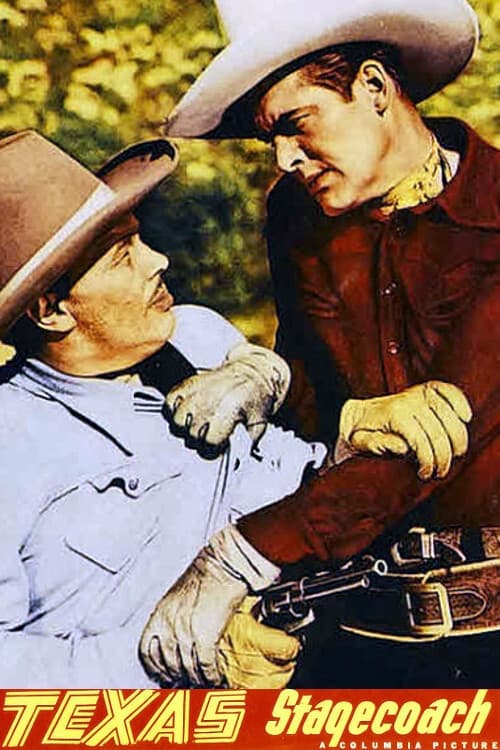
Texas Stagecoach
1940
No user ratings available yet
Representation score: 0.5 out of 10
Representation Score
Minimal
1941
ApprovedDirector
Joseph Kane
Runtime
58 minutes
Average Rating
No ratings yetNew Showbiz Analysis
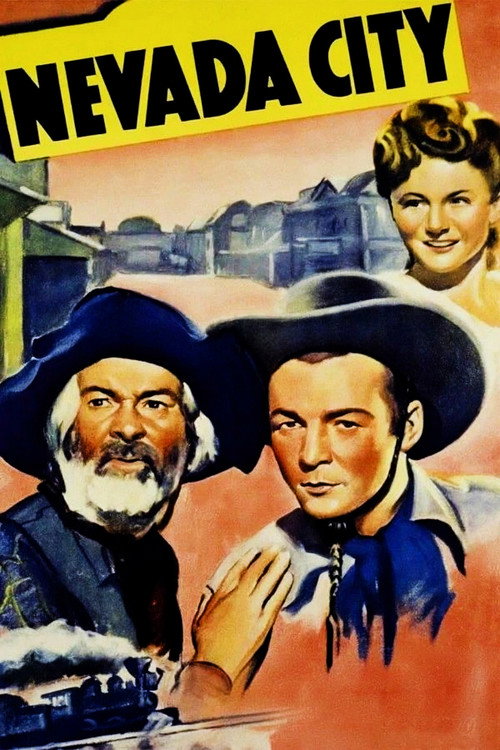
Nevada City is a typical 1940s Western that prioritizes genre conventions and the restoration of social order. The plot focuses on industrial conflict between railroad and stagecoach interests, resolved through individual heroism. The film functions as a conservative piece of storytelling. It reinforces the status quo of its era by centering men's control over the story and an Anglo-Saxon perspective of the frontier, offering little disruption of established social hierarchies. Ultimately, the film serves as a standard genre exercise. It lacks the intentionality to explore diverse identities, instead focusing on a restorative justice model that aligns with the studio system's historical norms.
Category Breakdown
The film does not include any characters or narratives related to LGBTQ+ identities. It presents a social framework that does not engage with queer identities.
The film centers heavily on male protagonists. While a character named Gabby is mentioned, the film reinforces traditional 1940s gender hierarchies through male-led actions.
The film depicts a largely homogeneous settler population. It reflects the era's standard of portraying Western expansion through a predominantly Anglo-Saxon lens.
The story emphasizes traditional Western values like law, order, and property rights. It seeks to restore stability within existing systems rather than critiquing them.
There are no visible or invisible disabilities identified within the character descriptions or the narrative arc.
Present on Screen
Limited or Absent
Official Synopsis
The conflict between a railroader and a stage line owner is being aggravated by bad guys who are sabotaging both sides. Roy and Gabby mediate the conflict and expose the bad guys.
1940
1963

1950

1942
1950
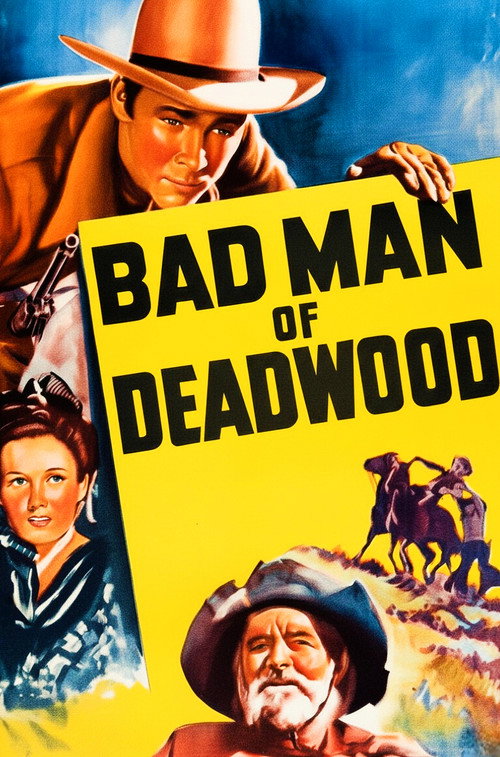
1941
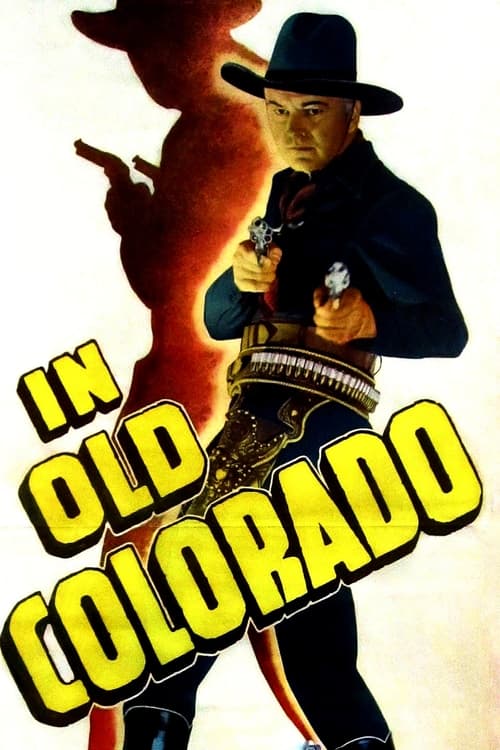
1941
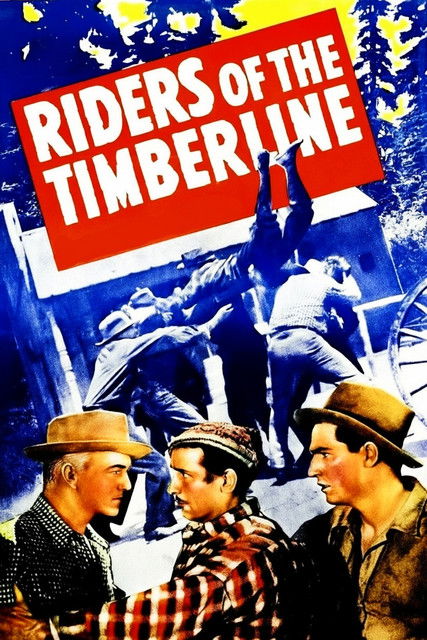
1941
No reviews yet. Be the first to share your thoughts on this movie!
Use the rating form above to leave a star rating and optional review.