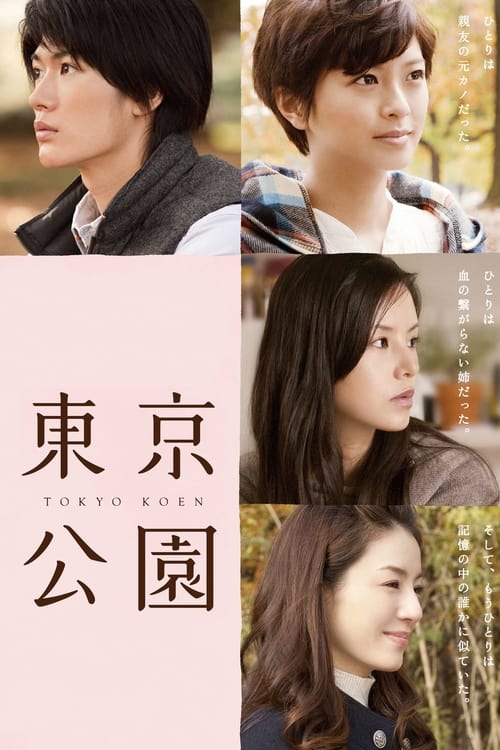
Tokyo Park
2011
No user ratings available yet
Diversity score: 4.9 out of 10

1997
Director
Naoto Takenaka
Runtime
121 minutes
Average Rating
No ratings yetSynopsis
This is a biographical film about the late Yoko Araki, who was the wife of Japan's leading photographer, Nobuyoshi Araki.
Overall Score
Fair
Category Breakdown
LGBTQ+ Representation
The film explores the avant-garde photography scene in Tokyo, a space often linked to unconventional lifestyles. However, it lacks explicit queer character arcs or non-cisnormative identities.
Gender Representation
The narrative disrupts traditional hierarchies by centering on Yoko Araki. It grants her significant agency, shifting focus from the male-dominated professional sphere to her internal psychological reality.
Racial & Ethnic Diversity
The film maintains a homogeneous cast rooted in a specific Japanese cultural context. It functions as an authentic cultural portrait rather than seeking to subvert ethnic norms.
Religious & Cultural Diversity
The story prioritizes personal truth and subjective morality over traditional social or religious ideals. It explores the complex intersection of art and private life.
Disability Representation
There is no evidence regarding the portrayal of physical or neurodivergent disabilities within the film.
Strengths
Areas for Improvement
AI Analysis
Tokyo Fair Weather is a character-driven biographical drama that finds strength in its refusal to treat its female lead as a peripheral figure. By centering Yoko Araki, the film provides a rare look at a woman's subjectivity within the male-dominated world of photography. However, the film is culturally and demographically narrow. It operates within a homogeneous Japanese setting and lacks explicit representation of LGBTQ+ identities or disability, making it a highly specific, rather than intersectional, portrait. Ultimately, the film succeeds as a nuanced study of individual existence, even if it lacks the broad diversity found in modern global cinema.
2011

2008
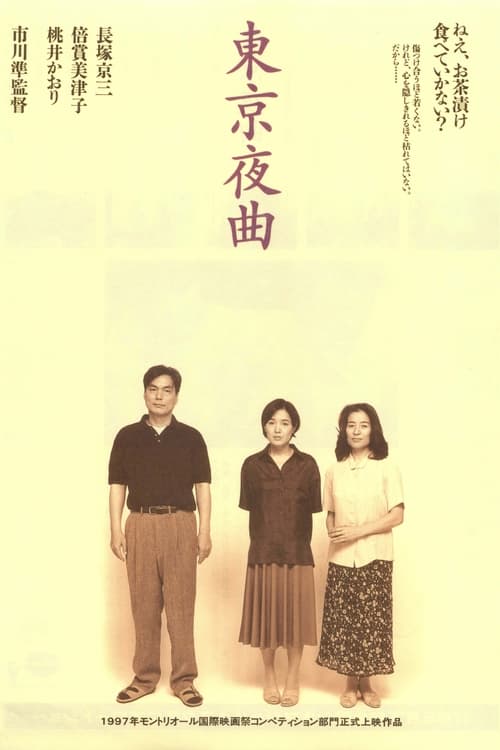
1997

2017

2015
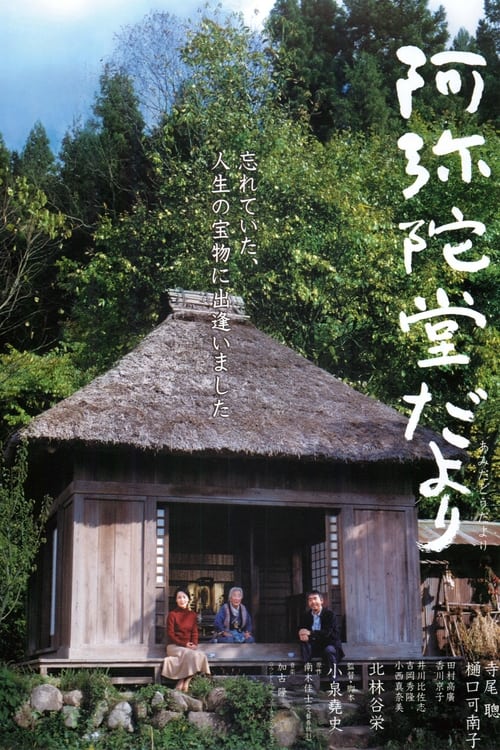
2002

1995
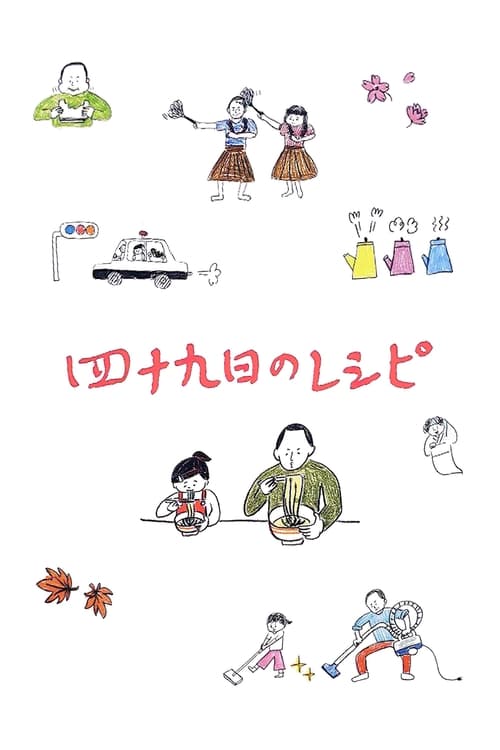
2013
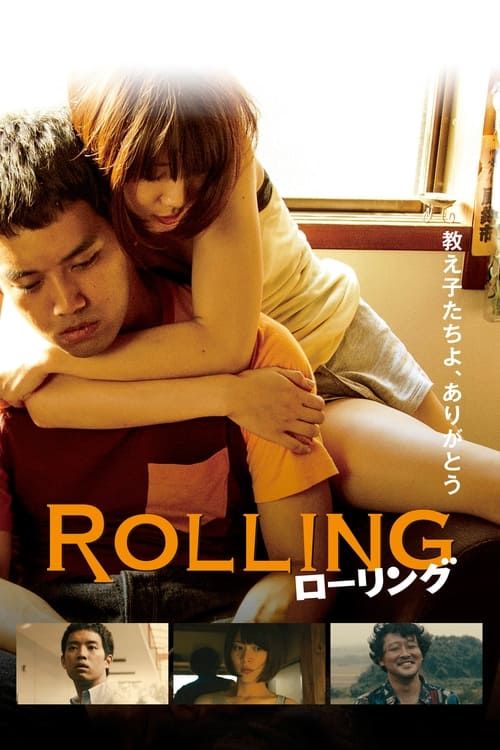
2015

2007
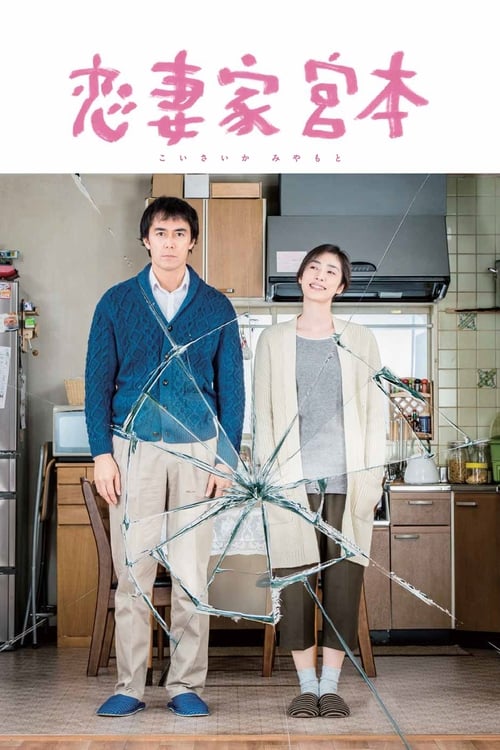
2016
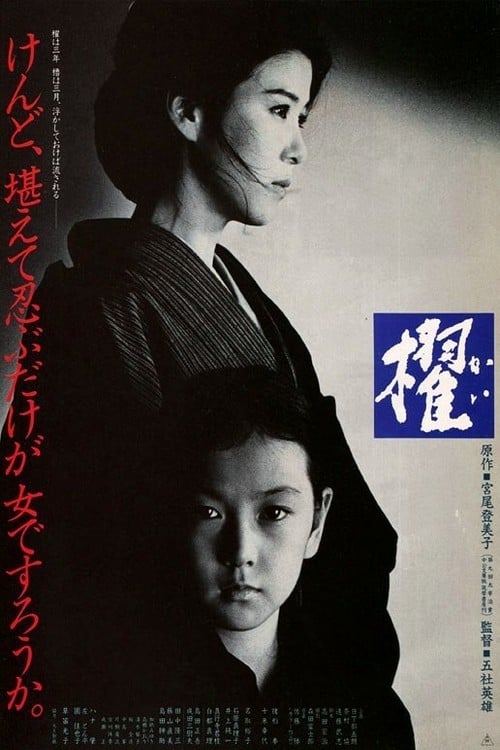
1985
No reviews yet. Be the first to share your thoughts on this movie!
Use the rating form above to leave a star rating and optional review.