
Manji
2023
No user ratings available yet
Representation score: 4.2 out of 10
Representation Score
Fair
2008
Director
Rokurō Mochizuki
Runtime
109 minutes
Average Rating
No ratings yetNew Showbiz Analysis
Rokurō Mochizuki’s drama centers on intense interpersonal dynamics and the subversion of social contracts. The film finds its strength in character-driven storytelling that prioritizes individual desire over rigid institutional morality. However, the work remains limited by its narrow demographic scope, operating within a culturally homogeneous Japanese setting and lacking explicit LGBTQ+ representation. Ultimately, the film succeeds in deconstructing traditional gender roles and domestic hierarchies while staying within a specific cultural and racial framework.
Category Breakdown
The film focuses on a heterosexual relationship between a photographer and a married woman. There is no visible queer presence or non-conforming gender identity in the story.
Sada serves as an active protagonist whose ability to act and sensuality drive the plot, challenging traditional domestic hierarchies and marriage structures.
The production features a predominantly Japanese cast within a culturally homogeneous framework. It does not include multicultural casting or diverse demographic patterns.
The story explores moral relativism by framing an affair as a transformative experience. It critiques conservative social constraints through the lens of individual liberation.
There is no evidence of the portrayal of physical or neurodivergent disabilities in the film.
Present on Screen
Limited or Absent
Official Synopsis
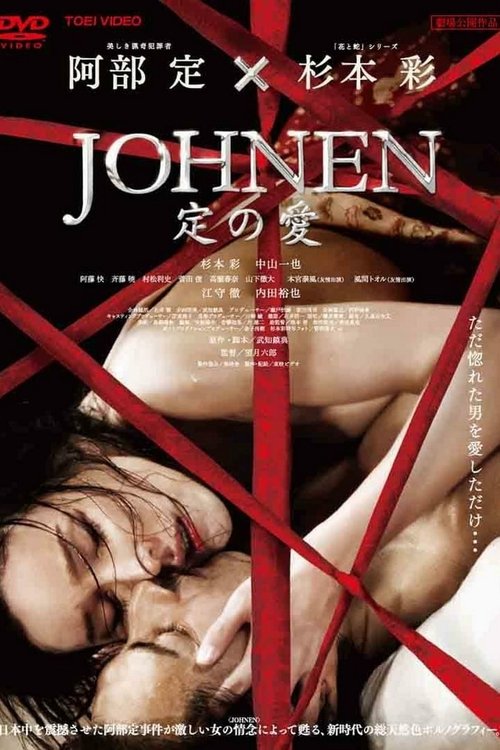
When photographer Ishida first sees Sada, the wife of a new acquaintance, his photo shoot with Sada turns quickly into a steamy affair of mind-blowing proportions
2023
1961
1997
1978

1985
1992
2015

2007
No reviews yet. Be the first to share your thoughts on this movie!
Use the rating form above to leave a star rating and optional review.