
The East Is Red
1965
No user ratings available yet
Representation score: 4.3 out of 10
Representation Score
Good
1970
Director
Cheng Yin
Runtime
112 minutes
Average Rating
No ratings yetNew Showbiz Analysis
The film stands out by challenging traditional gender roles and placing a strong female protagonist at the center of a political struggle. It also offers a powerful critique of imperialist systems, focusing on collective revolutionary efforts. However, the film lacks visible LGBTQ+ characters or non-straight relationships, and there are no characters with physical or cognitive disabilities. Additionally, the cast's ethnic uniformity limits the film’s racial diversity.
Category Breakdown
The story centers on family ties and revolutionary duty, with no clear indication of LGBTQ+ characters or non-straight relationships.
Li Tiemei is a key character whose actions are driven by political commitment. The film challenges traditional gender roles by showing women as leaders in the revolution.
The film presents a localized perspective on resistance, offering a significant departure from Western-centric narratives. However, the cast is ethnically uniform.
The story emphasizes secular revolutionary ideals over traditional religious or cultural norms. It portrays the struggle against occupation as essential to breaking the old order.
There are no characters with physical or cognitive disabilities mentioned in the film.
Present on Screen
Limited or Absent
Official Synopsis
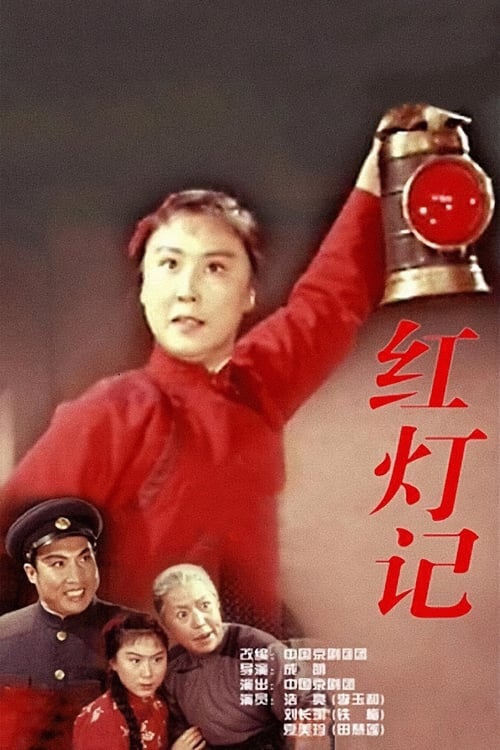
The play concentrated on the exploits of the communist underground activities under Japanese occupation in 1939, though history traces back in the 1920s. When Li Yuhe, a railroad worker who was engaging in underground work, was taken away by special agents and Grandma Li has a premonition of being arrested, Grandma tells the protagonist, Li Tiemei the true story about her family. Grandma Li tells Li Tiemei how her parents have sacrificed their lives in the revolutionary struggle. Li Yuhe has taken up the unfulfilled task of the martyrs. After hearing the heroic story about her family, Li Tiemei is determined to follow the example of her father and carry the revolution through to the end.
1965
1988
1970
2020

1958
1960
1984
1961
No reviews yet. Be the first to share your thoughts on this movie!
Use the rating form above to leave a star rating and optional review.