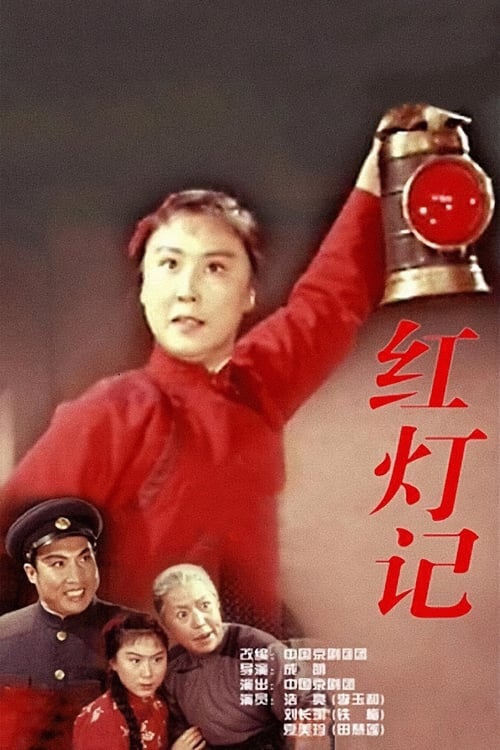
The Legend of the Red Lantern
1970
No user ratings available yet
Representation score: 6.6 out of 10

Representation Score
Fair
1965
Director
Wang Ping, Enjie Li
Runtime
117 minutes
Average Rating
No ratings yetNew Showbiz Analysis
The film serves as a large-scale musical history of the Chinese Communist Party's rise. It uses a collective protagonist model where the working class is the main hero. While the film effectively challenges traditional hierarchies and empowers the peasantry, it lacks representation of LGBTQ+ individuals and people with disabilities. These omissions reflect the ideological demands of socialist realism. Ultimately, the film examines broad ideological shifts. It emphasizes the victory of the working class over the old social orders.
Category Breakdown
The film follows the norms of the mid-1960s and does not depict any non-binary gender identities or same-sex relationships. It focuses on heterosexual relationships.
Women are shown as active participants in the revolution through both labor and armed struggle. This challenges traditional patriarchal structures by giving women significant roles.
The cast is mostly uniform, reflecting the specific geopolitical context. Diversity is shown through the blend of social classes, such as workers and peasants, rather than ethnic differences.
The story offers a strong critique of feudalism and capitalism. It portrays the dismantling of religious and landlord classes as essential for social liberation.
Characters are depicted as idealized figures of physical strength. There is no focus on neurodivergence or physical disabilities in the work.
Present on Screen
Limited or Absent
Official Synopsis
Pre-Cultural Revolution propaganda at its most lavish, this model opera depicts the history and evolution of the Communist Party of China under Mao Zedong from its founding in July 1921 to the establishment of "New China" in 1949. Detailed in the musical are several key events in CPC history such as the Northern Expedition, the KMT-led Shanghai massacre of 1927, the Nanchang Uprising and formation of the People's Liberation Army, the Long March and the founding of the PRC on October 1, 1949.
1970
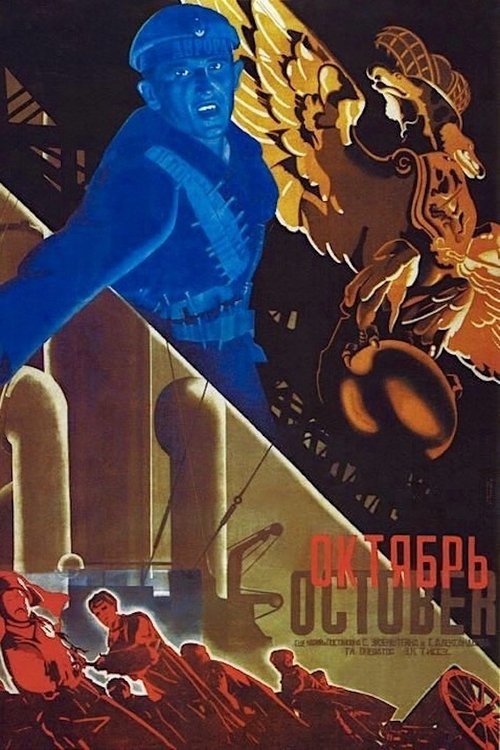
1928
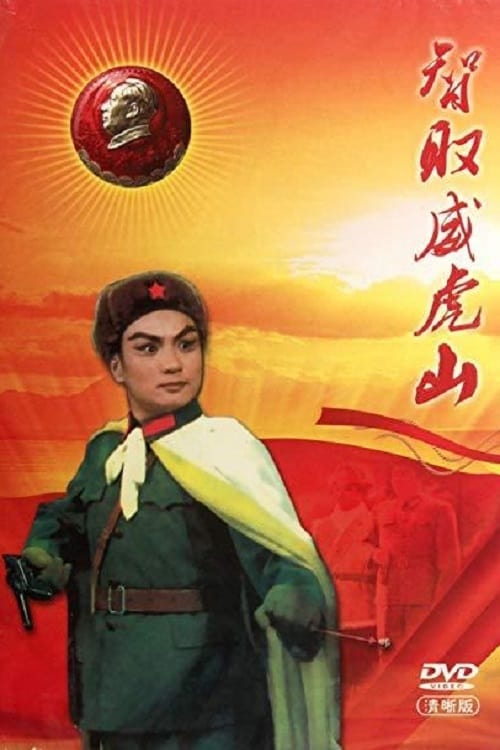
1970
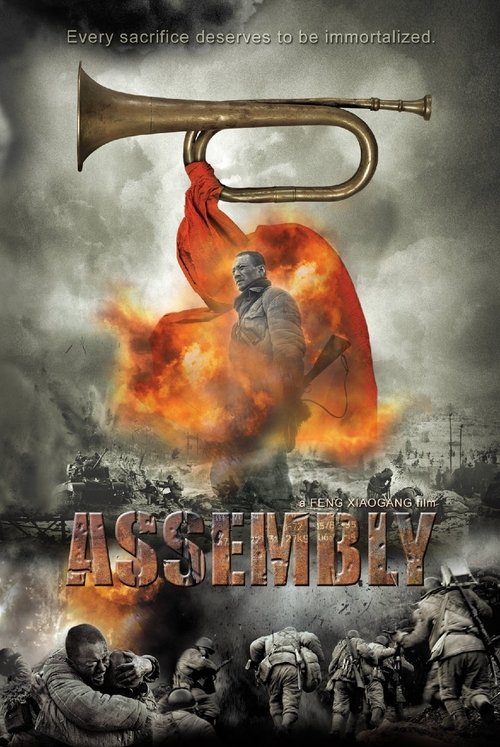
2007
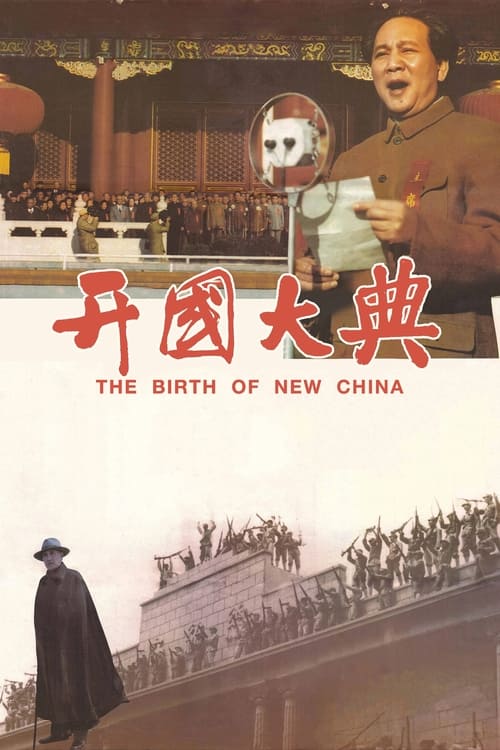
1989
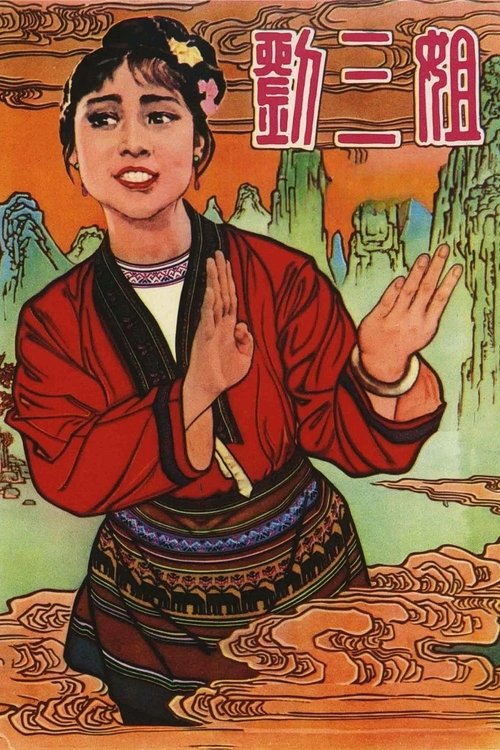
1960
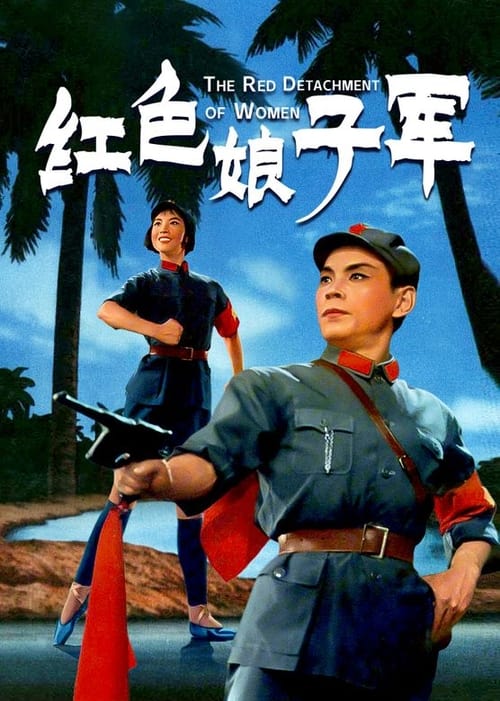
1971
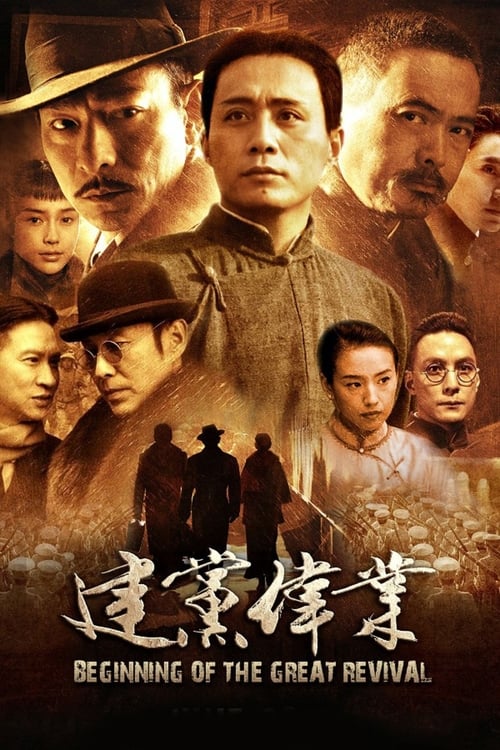
2011
No reviews yet. Be the first to share your thoughts on this movie!
Use the rating form above to leave a star rating and optional review.