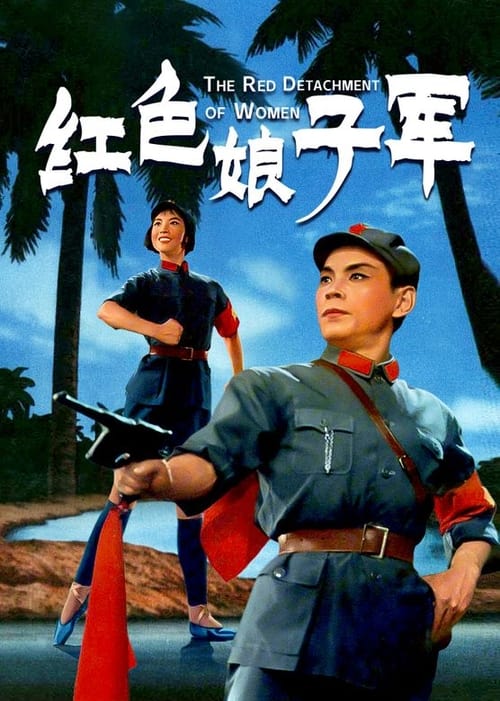
The Red Detachment of Women
1971
No user ratings available yet
Representation score: 4.5 out of 10
Representation Score
Limited
1970
Director
Xie Tieli
Runtime
129 minutes
Average Rating
No ratings yetNew Showbiz Analysis
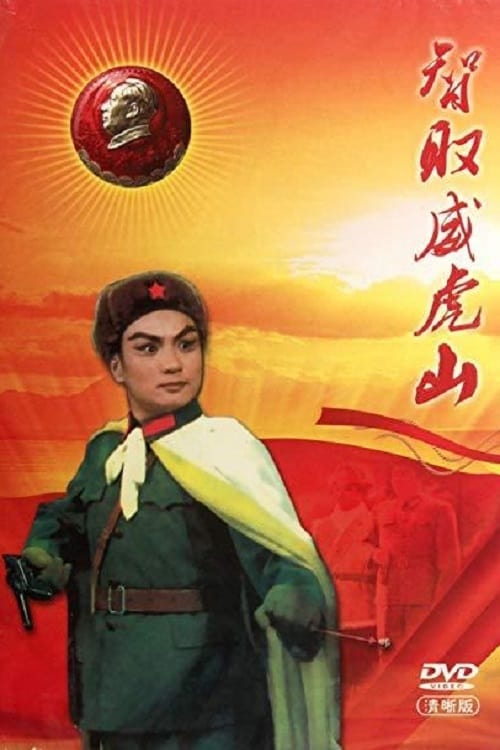
Taking Tiger Mountain by Strategy is a film that aims to create a strong collective identity, prioritizing ideological unity over individual identity-based diversity. The film effectively critiques capitalist and class-based hierarchies, replacing them with a structured, revolutionary ethics that challenges old-world military hierarchies. However, the film falls short in representing modern diversity metrics, particularly concerning LGBTQ+ identities and disability. Its focus remains narrow, centered on the specific historical context of the Chinese Civil War.
Category Breakdown
The film focuses on heterosexual relationships and does not include any non-straight identities or same-sex intimacy. There is no representation of diverse gender identities.
Women are shown as active participants in the revolutionary movement, taking part in collective labor and military efforts. They are not depicted as passive or submissive figures.
The cast mainly includes Han Chinese actors, reflecting the specific historical setting of the Chinese Civil War. The film does not explore a wide range of racial backgrounds or ethnicities.
The film critiques capitalist structures and traditional hierarchies, emphasizing a secular, revolutionary morality over religious or old-world values. It frames the class struggle through a modern lens.
There are no characters with visible or invisible disabilities. The story emphasizes the physical and mental strength needed for tactical combat and revolutionary strategy.
Present on Screen
Limited or Absent
Official Synopsis
Taking Tiger Mountain was the very first model film produced during the Chinese Cultural Revolution (1966-1976). Set during the civil war in 1946, it follows a detachment of the People's Liberation Army in Mandchuria as they are fighting a group of bandits hiding in the mountains. Based on a novel from the 50s, Taking Tiger Mountain was first a revolutionary opera before being made into film by director Xie Tieli.
1971
2007

1965

2020
1963
1984
1983
1956
No reviews yet. Be the first to share your thoughts on this movie!
Use the rating form above to leave a star rating and optional review.