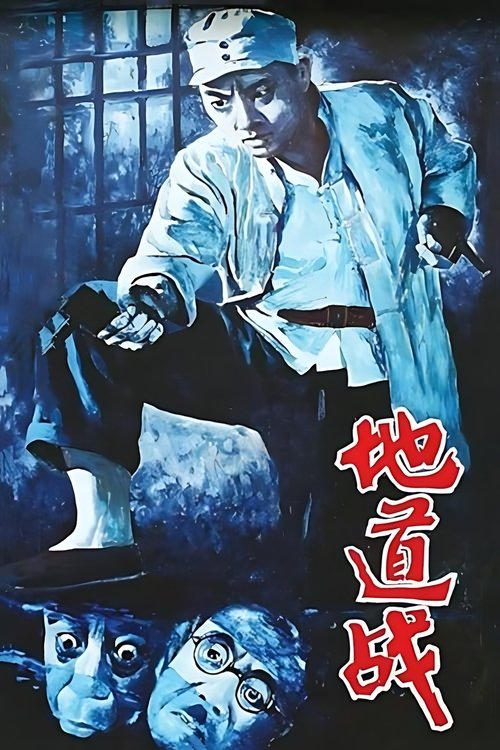
Tunnel Warfare
1965
No user ratings available yet
Representation score: 5.2 out of 10

Representation Score
Fair
1958
Director
Wang Ping
Runtime
110 minutes
Average Rating
No ratings yetNew Showbiz Analysis
The Eternal Wave is a period piece that emphasizes ethnic ability to act and anti-colonial themes. By focusing on Chinese resistance against Japanese occupation, it critiques imperialist power dynamics. While the film lacks modern LGBTQ+ visibility, it challenges colonial hierarchies through a revolutionary narrative. The protagonist's technical expertise disrupts traditional gender roles. Ultimately, the film's strength lies in its systemic focus on collective struggle and national sovereignty, rather than individualist or traditional moral frameworks.
Category Breakdown
The film does not explicitly depict non-binary gender identities or same-sex relationships. Its focus is on revolutionary bonds and traditional heterosexual relationships common in 1958 films.
Li Xia is a central female protagonist who holds a critical technical position during wartime. Her professional skills challenge traditional gender roles and domestic hierarchies.
The story highlights Chinese resistance against Japanese occupation, emphasizing the reclaiming of national identity from imperialist forces.
The film emphasizes collective ideology and anti-colonial themes. It portrays revolutionary actions as responses to corrupt and oppressive systems.
There is no discernible evidence regarding the portrayal of physical or neurodivergent disabilities in this work.
Present on Screen
Limited or Absent
Official Synopsis
An underground CPC telegrapher, Li Xia, fights against the Japanese enemy and dies before the eve of Shanghai's liberation in 1939.
1965
1961
1944
1956
1957

1959

1997

2017
No reviews yet. Be the first to share your thoughts on this movie!
Use the rating form above to leave a star rating and optional review.