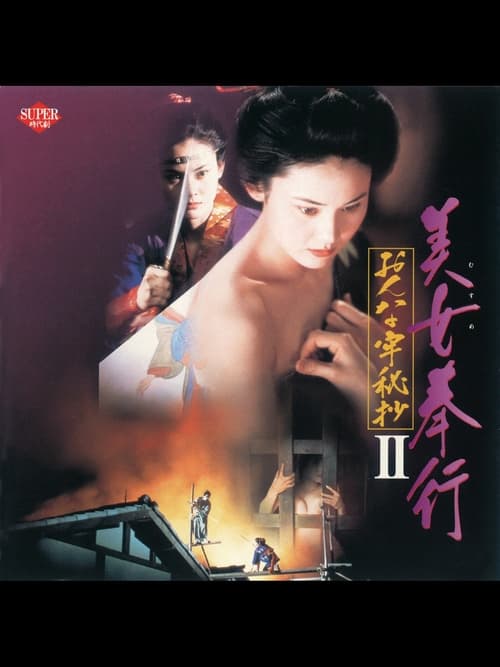
Magistrate Woman Prison Collection II
1995
No user ratings available yet
Representation score: 1.6 out of 10
Representation Score
Fair
1995
Director
Ryōji Shinmura
Runtime
78 minutes
Average Rating
No ratings yetNew Showbiz Analysis
The film distinguishes itself as a progressive work in the jidaigeki genre by highlighting women's ability to drive the story. By placing a woman as the main investigator in a male-dominated bureaucracy, it challenges traditional historical drama conventions. While the film excels in gender representation and critiques systemic issues, it remains confined by its historical setting and lacks explicit data on LGBTQ+ or disability representation. The focus on individual prisoner stories offers a humanistic counter-narrative to institutional authority. Overall, the film provides a meaningful exploration of justice and corruption through a female perspective, despite its ethnic homogeneity.
Category Breakdown
The film does not explicitly confirm any LGBTQ+ characters or non-straight relationships. Although the setting of a female-only prison allows for potential queer dynamics, there is no clear evidence of same-sex intimacy.
Kasumi emerges as a strong central figure, challenging the patriarchal order of the Edo period through her intelligence and active role. The narrative emphasizes female perspectives by focusing on the personal stories of imprisoned women.
The cast is predominantly of Japanese ethnicity, reflecting the historical context. Despite this, the film provides a unique non-Western viewpoint on justice and societal hierarchies.
The story critiques systemic corruption and the imperfections of established legal frameworks. It leans towards moral relativism by examining justice based on personal circumstances rather than strict institutional rules.
The narrative does not include any characters with visible or invisible disabilities.
Present on Screen
Limited or Absent
Official Synopsis
A woman calling herself Princess Oryu enters the woman's prison. She is Kasumi, the daughter of the famous magistrate, Ooka Echizen, who slowly after hearing each of the prisoner's stories begins to realize the mystery that lies behind what it could be a big conspiracy.
1995

1952

2025

2022

1974
1989
1961

1981
No reviews yet. Be the first to share your thoughts on this movie!
Use the rating form above to leave a star rating and optional review.