The Comedians
1941
No user ratings available yet
Representation score: 6.5 out of 10
Representation Score
Limited
1935
Director
Werner Hochbaum
Runtime
93 minutes
Average Rating
No ratings yetNew Showbiz Analysis
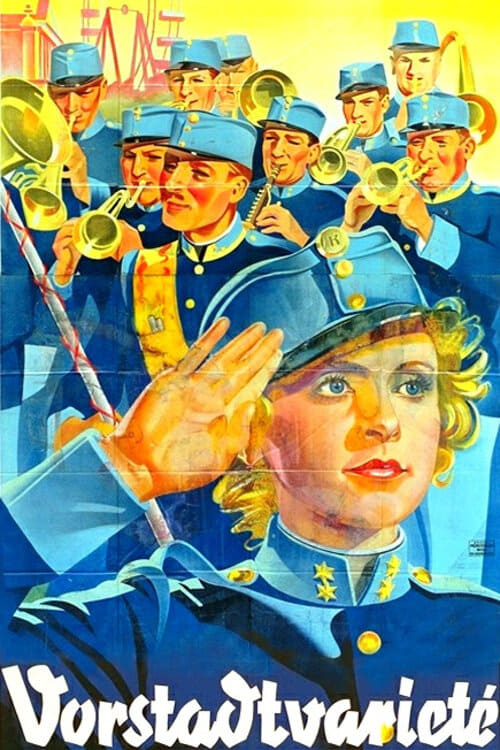
Suburban Cabaret operates as a period-specific melodrama that reflects the systemic limitations of its time. While it offers a nuanced look at the tension between personal desires and social duties, it lacks depth in representing multiple aspects of identity. The film's strength lies in its exploration of class and gender dynamics, particularly how social displacement impacts the protagonist. However, the narrative remains largely homogeneous, adhering to the social structures of early 20th-century Vienna. Ultimately, the work serves more as a window into historical social constraints than as a tool for diverse representation, focusing on traditional romantic and institutional conflicts.
Category Breakdown
The film does not include any explicit LGBTQ+ characters or explore non-straight relationships. The main storyline revolves around a romantic relationship between a woman and an officer.
The story focuses on a female protagonist who navigates societal pressures and transitions from vaudeville to domestic life. However, her ability to make independent decisions is compromised by male-dominated military and romantic structures.
The narrative reflects the homogeneous society of 1913 Vienna. There is no indication of non-white or diverse ethnic representation within the story.
The film examines tensions between traditional institutions such as the military and the cabaret lifestyle. It critiques rigid social hierarchies through a bittersweet, period-specific lens.
The synopsis does not mention any characters with physical or mental disabilities.
Present on Screen
Limited or Absent
Official Synopsis
In Vienna of 1913 a young woman coming from vaudeville theatre circles stands before the wedding with a construction draftsman; this must move to the military and sends his bride on the country, so that she cannot be enticed to the stage. However, she does it and gets by an officer's love affair so in confusion that she commits suicide. - This end environment-close and differentiates of produced melodrama was rejected by press and audience vehemently; the new second film end with the rescue of the desperate was supplied later, so that in this version only a bittersweet common melodrama with excellent actors and good photograph was left. In the rental company copy is the second version of the end jointly contain.
1941

1930

1910
1928
1934
1938
1937
1939
No reviews yet. Be the first to share your thoughts on this movie!
Use the rating form above to leave a star rating and optional review.