Streets of Shanghai
1927
No user ratings available yet
No diversity score available
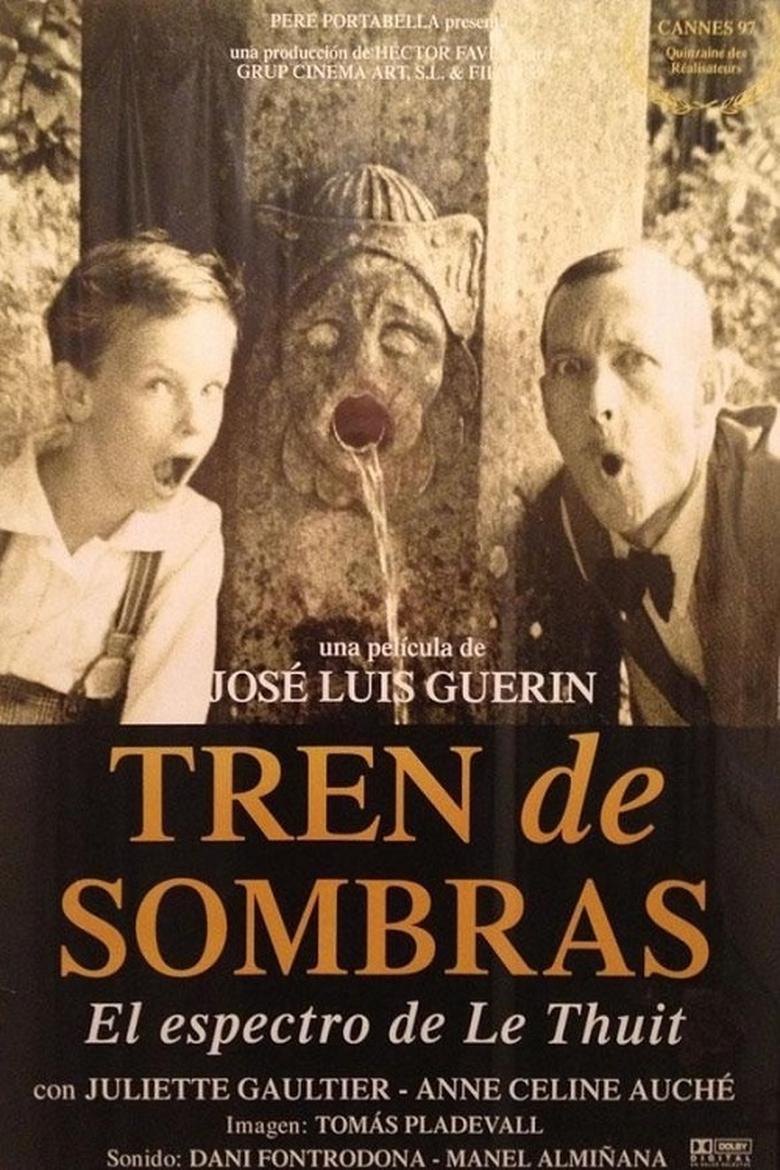
1997
Director
José Luis Guerín
Runtime
88 minutes
Average Rating
No ratings yetSynopsis
Experimental silent homage to the origins of cinema, recreating the apparent disappearance of a French photographer in the 1920s.
Overall Score
Fair
Category Breakdown
LGBTQ+ Representation
The film lacks explicit depictions of LGBTQ+ identities or romantic orientations. It focuses on the mechanics of the cinematic gaze rather than engaging with queer narratives.
Gender Representation
The narrative avoids traditional masculine hero archetypes by utilizing a fragmented, observational perspective. However, there is little evidence of female-led agency or a deliberate subversion of gender roles.
Racial & Ethnic Diversity
Set within a European historical context, the film reflects specific French and Spanish sensibilities. It does not actively feature diverse casting or non-Anglo-Saxon majority ensembles.
Religious & Cultural Diversity
The film earns points by prioritizing subjective experience over a singular, cohesive moral reality. Its rejection of a unified, authoritative historical narrative critiques traditional Western storytelling structures.
Disability Representation
There is no discernible representation of physical or neurodivergent disabilities. Characters function as visual motifs or ghosts rather than individuals with specific lived experiences.
Strengths
Areas for Improvement
AI Analysis
Train of Shadows is an experimental, silent docufiction that prioritizes ontological inquiry over social representation. It functions as a meta-cinematic meditation on the history of the moving image, using visual abstraction to explore memory and the ephemeral nature of reality. The film's low diversity scores stem from its focus on the medium of cinema itself rather than character-driven identity politics. Because it eschews traditional narrative structures, it lacks the intersectional character agency necessary for higher categorical ratings. While the work is intellectually progressive in its postmodernism, it remains largely reflective of its specific European historical milieu. It offers a subtle critique of conventional storytelling through its structural deconstruction rather than through overt social representation.
1927
1995

1929
1995
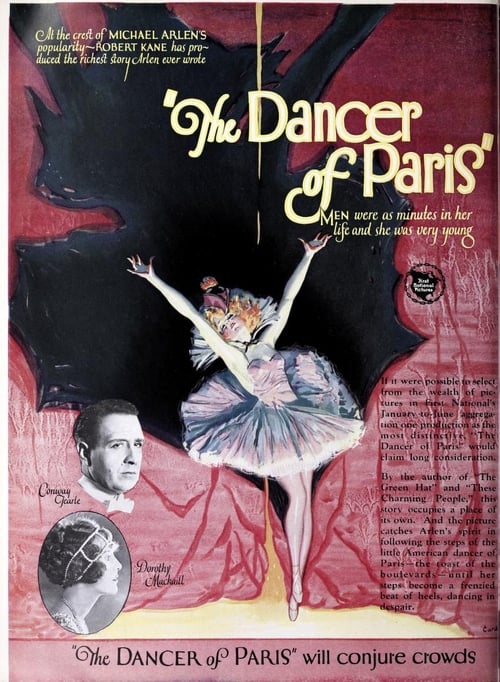
1926

1996

2005
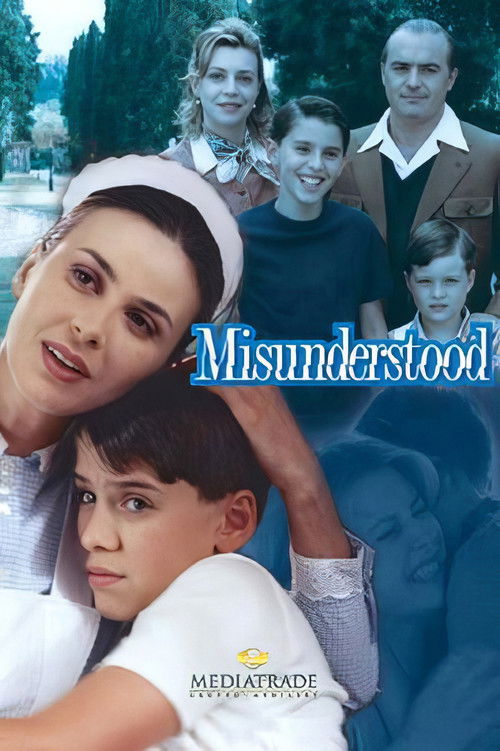
1998
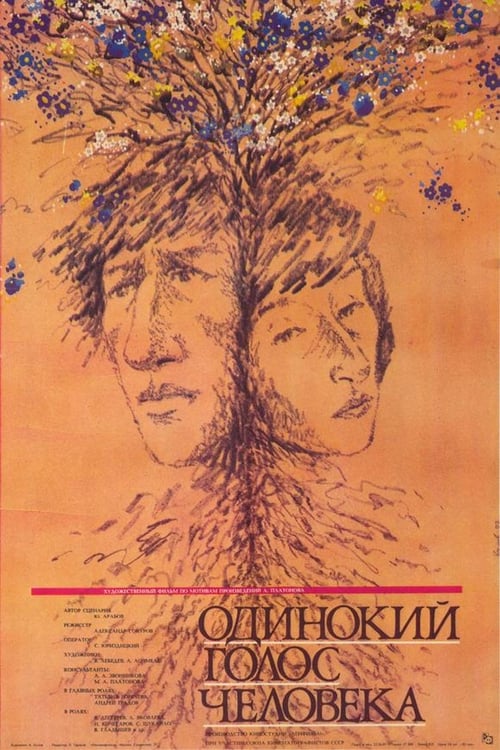
1987
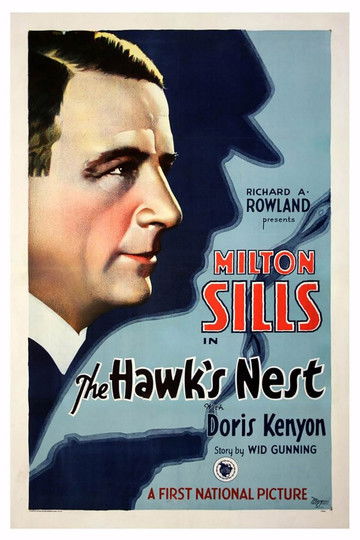
1928
1920
1991
No reviews yet. Be the first to share your thoughts on this movie!
Use the rating form above to leave a star rating and optional review.