City Across the River
1949
No user ratings available yet
Representation score: 1.3 out of 10
Representation Score
Limited
1953
ApprovedDirector
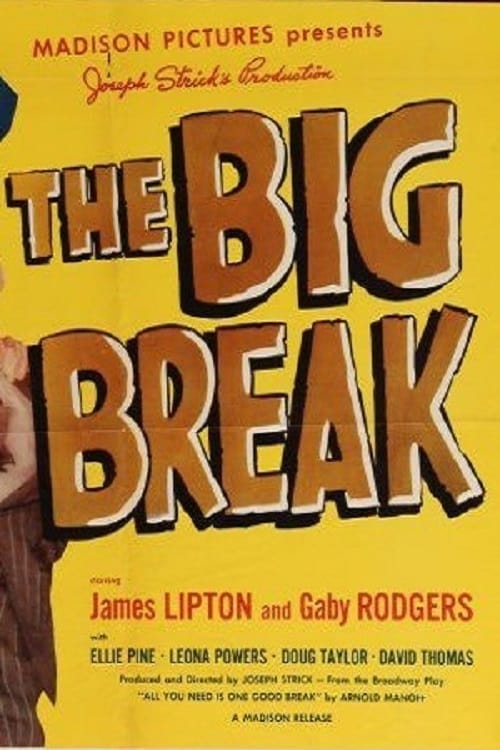
Joseph Strick
Runtime
75 minutes
Average Rating
No ratings yetNew Showbiz Analysis
The Big Break is a mid-century crime drama that functions as a traditional character study. It focuses on Marty's personal struggle with impatience and morality, following a standard redemptive arc common to the era. The film reinforces conventional social hierarchies rather than subverting them. The narrative structure relies on established clichés, such as the male protagonist navigating the criminal underworld and the female character providing moral guidance. Ultimately, the work lacks complexity in reflecting multiple aspects of identity and prioritizes individual moral choices over critiques of systemic oppression or diverse social representation.
Category Breakdown
The film follows a traditional romantic storyline between Marty and Helen, with no representation of LGBTQ+ identities or narratives that question traditional social structures.
Marty drives the plot through his moral struggles, while Helen acts as a stabilizing influence. The film adheres to traditional roles where the male navigates crime and the female serves as a moral compass.
Set in the garment district, the film lacks evidence of a diverse or non-Anglo-Saxon cast. It appears to reflect the homogeneous casting norms typical of 1950s crime cinema.
The story focuses on individual morality and personal ethics rather than challenging Western institutions. It follows a standard redemptive arc centered on personal responsibility.
The narrative contains no mention of characters with visible or invisible disabilities.
Present on Screen
Limited or Absent
Official Synopsis
Marty is a shipping clerk in the garment district and a wise guy trying to cut corners and get by on angles, and not very good at it. He meets Helen and decides to change his ways, but lack of patience in slow-progress jobs leads him to become involved with a neighborhood gang.
1949
1959
1939
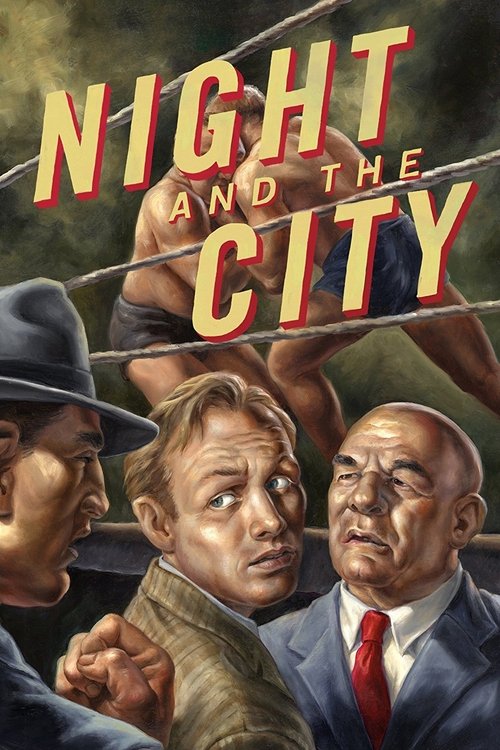
1950
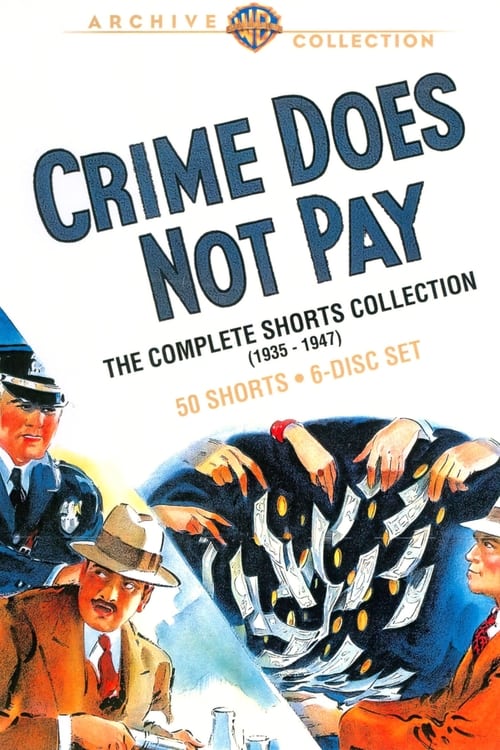
1944
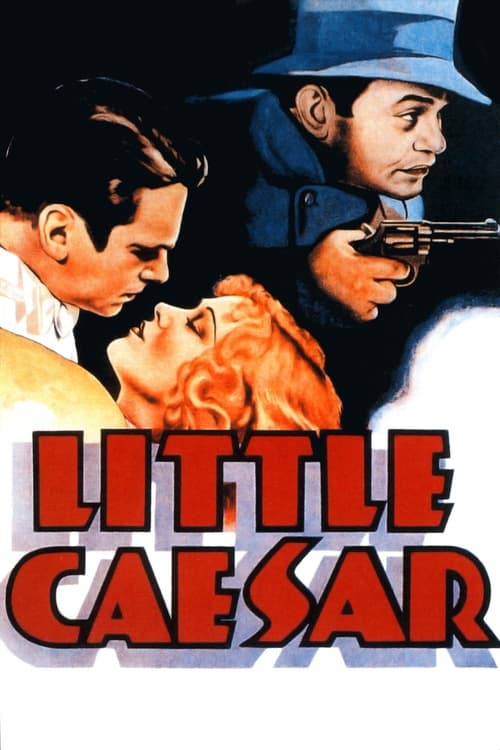
1931
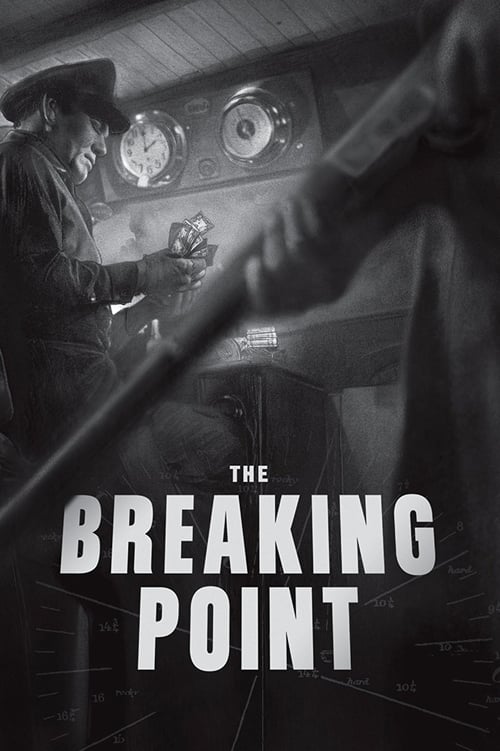
1950
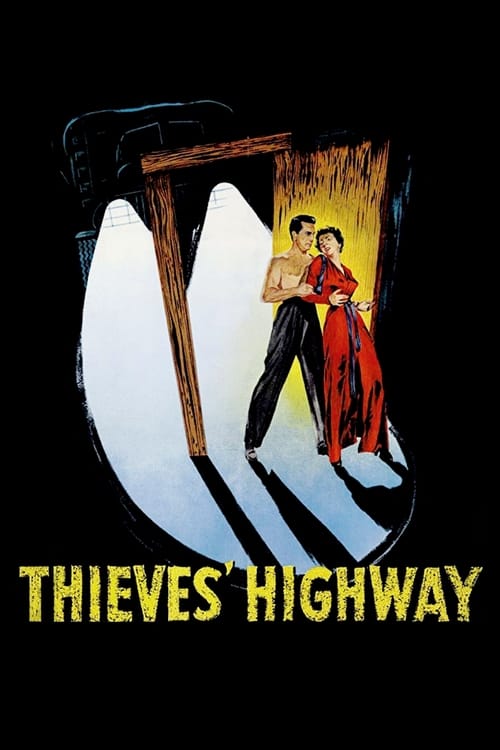
1949
No reviews yet. Be the first to share your thoughts on this movie!
Use the rating form above to leave a star rating and optional review.