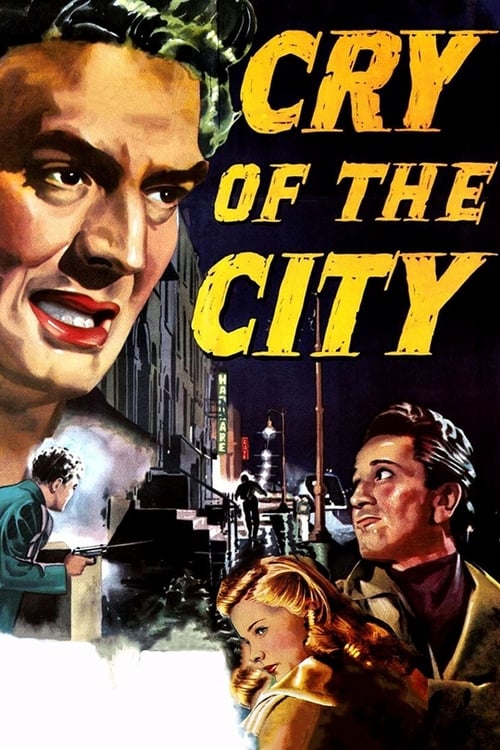
Cry of the City
1948
No user ratings available yet
Representation score: 0.9 out of 10
Representation Score
Minimal
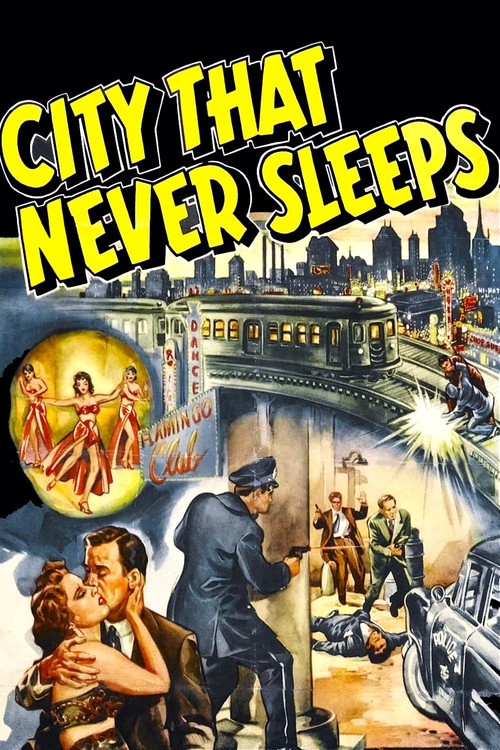
1953
NRDirector
John H. Auer
Runtime
90 minutes
Average Rating
No ratings yetNew Showbiz Analysis
City That Never Sleeps operates as a standard mid-century crime drama, relying heavily on established noir clichés. The narrative structure reinforces the social and demographic hierarchies prevalent in 1950s cinema rather than disrupting them. The film explores individual disillusionment through characters like Johnny Kelly, but these struggles remain within a conventional framework. It lacks the complexity or intentional subversion of norms necessary for a more progressive score. Ultimately, the work functions as a genre piece that adheres to the era's standard moral and social constraints, focusing on archetypes like the dissatisfied man and the corrupt legal system.
Category Breakdown
The film focuses on a traditional heterosexual romance between Johnny Kelly and Angel Face. There are no representations of LGBTQ+ identities or narratives that challenge the assumption that everyone is straight or cisgender.
Angel Face plays a significant role in ending the protagonist's indecision, but she is still framed by the 'stripper girlfriend' cliché. The story focuses on mid-century masculine anxieties related to marriage and career.
The production reflects the homogeneous casting norms typical of 1953. The narrative appears centered on a conventional urban American setting without indications of diverse racial casting.
Themes of dissatisfaction with marriage and duty are explored through individual moral struggles. The film uses noir fatalism rather than providing a systemic critique of Western institutions.
The available information provides no mention of characters with visible or invisible disabilities. Consequently, no assessment of representation in this category can be made.
Present on Screen
Limited or Absent
Official Synopsis
Chicago cop Johnny Kelly, dissatisfied with his job and marriage, would like to run away with his stripper girlfriend Angel Face, but keeps getting cold feet. During one crowded night, Angel Face decides she's had enough vacillation, and crooked lawyer Biddel has an illegal mission for Johnny that could put him in a financial position to act. But other, conflicting schemes are also in progress...
1948
1950
1950
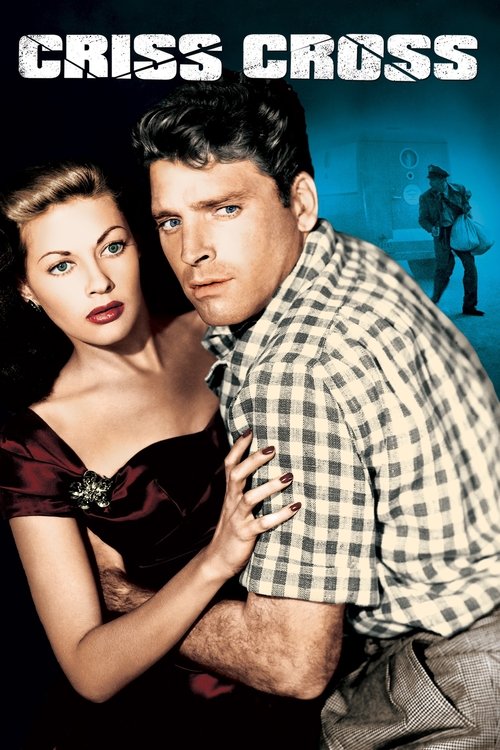
1949
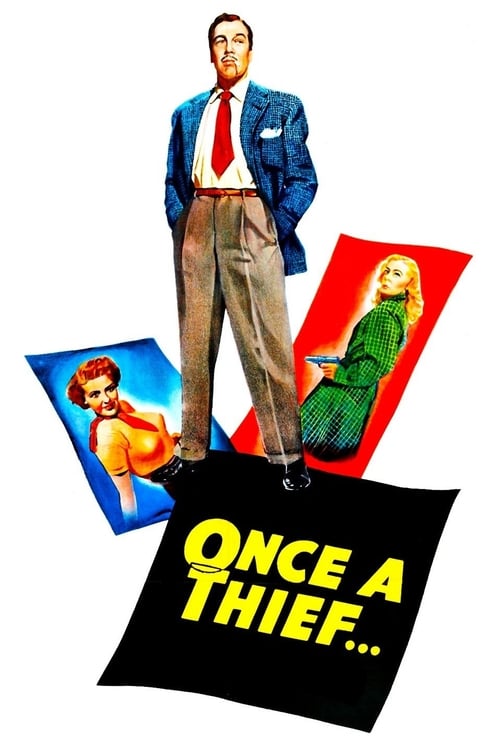
1950
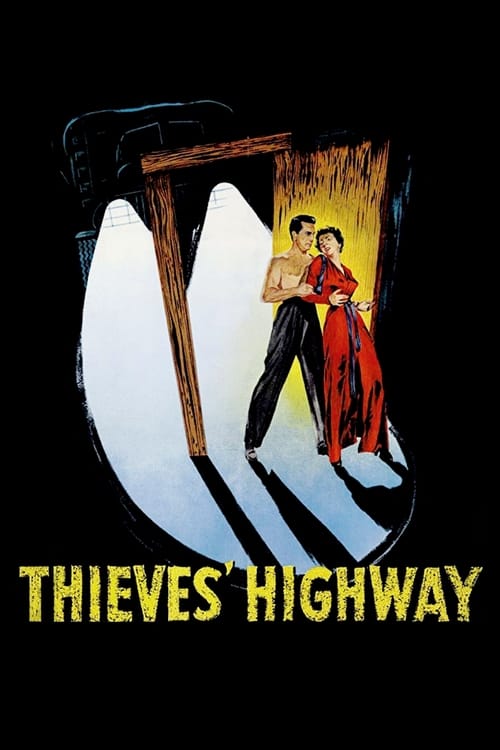
1949

1947
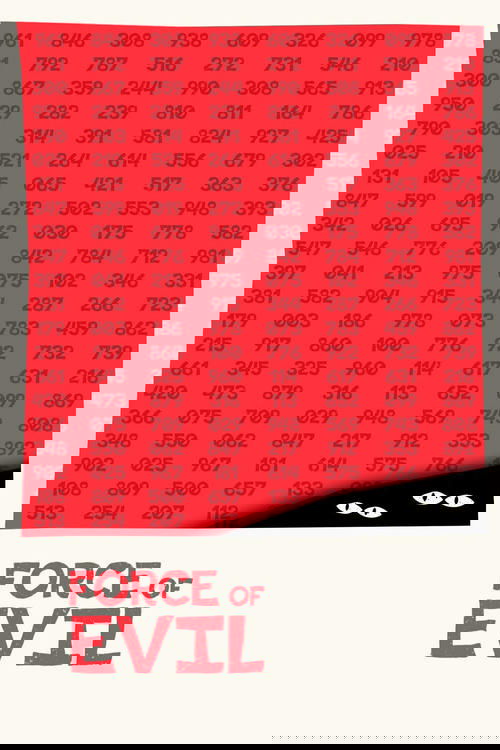
1950
No reviews yet. Be the first to share your thoughts on this movie!
Use the rating form above to leave a star rating and optional review.