
Chariots of Fire
1981
No user ratings available yet
Representation score: 2.2 out of 10
Representation Score
Fair
1999
RDirector
István Szabó
Runtime
181 minutes
Average Rating
No ratings yetNew Showbiz Analysis
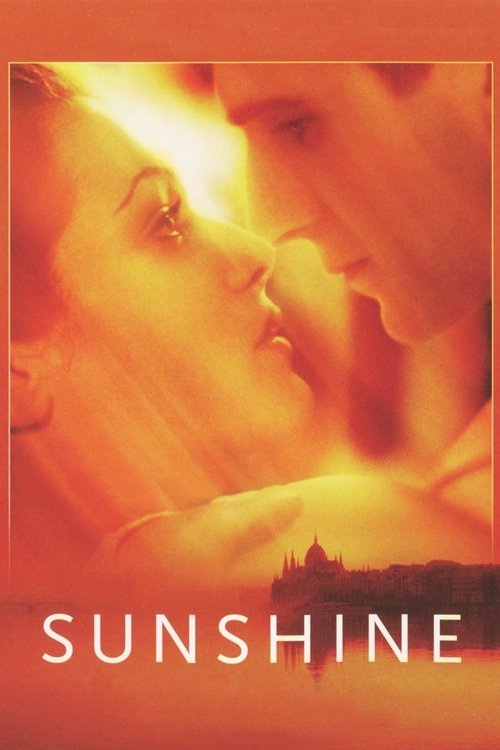
Sunshine is a sophisticated historical drama that excels in its examination of racialized oppression and the corruption of state-sanctioned authority. By focusing on the Jewish intelligentsia, the film goes beyond a typical period piece to offer a complex study of how power dynamics affect individuals. However, the film's scope is limited when it comes to other identities. The emphasis on male intellectual ability to act and traditional domestic roles for women restricts the challenge to conventional gender roles. Furthermore, there is no representation of LGBTQ+ identities or specific disabilities as central narrative elements. Ultimately, the film's strength lies in its deconstruction of institutional morality and its critique of how 'civilized' Western structures can be used to perpetuate systemic cruelty.
Category Breakdown
The film focuses on the survival of a Jewish family amidst mid-20th-century political pressures. It does not include any LGBTQ+ identities or narratives that challenge the assumption that everyone is straight or cisgender.
The narrative centers on the male experience, particularly the protagonist's intellectual and musical influence. Women are primarily depicted within domestic roles, reflecting the traditional gender roles of the time.
The film provides a profound exploration of the Jewish experience and the systemic erasure of Jewish culture under the Third Reich. It centers on the Jewish intelligentsia to critique racialized state violence.
The story critiques the failure of Western institutions and the corruption of social order. It examines how individuals make ethical compromises to survive under totalitarian regimes.
While the film explores psychological trauma and the emotional toll of political upheaval, it lacks specific depictions of visible or invisible disabilities as central narrative drivers.
Present on Screen
Limited or Absent
Official Synopsis
The fate of a Hungarian Jewish family throughout the 20th century.
1981
1959

2013

1970
2016
1997
2000
2007
No reviews yet. Be the first to share your thoughts on this movie!
Use the rating form above to leave a star rating and optional review.