Little Me
1938
No user ratings available yet
Diversity score: 0.0 out of 10
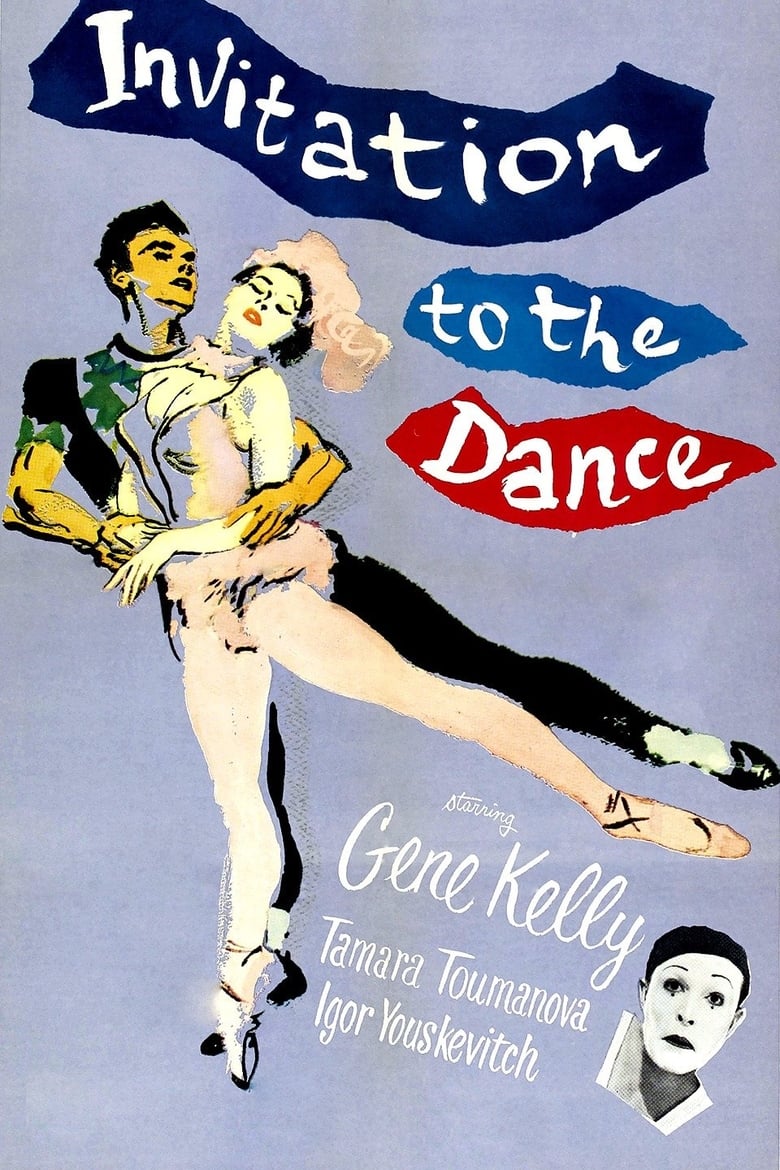
1956
Director
Gene Kelly
Runtime
93 minutes
Average Rating
No ratings yetSynopsis
Three completely different stories are told through dance.
Overall Score
Minimal
Category Breakdown
LGBTQ+ Representation
The film adheres to 1950s social norms and cinematic censorship. It focuses on classical ballet and ballroom traditions that reinforce heteronormative pairings without exploring non-cisnormative identities.
Gender Representation
Female dancers show immense technical skill, yet the choreography follows classical paradigms. Male dancers often serve as structural anchors, maintaining traditional balletic hierarchies and gender roles.
Racial & Ethnic Diversity
The cast is largely homogeneous, reflecting the era's casting practices. While vignettes span global locales, they use dance to interpret mood rather than exploring ethnic identity.
Religious & Cultural Diversity
The film prioritizes an 'art for art's sake' philosophy. It reinforces a traditional Western appreciation for classical music and high-art forms rather than engaging in systemic critique.
Disability Representation
The narrative focuses on the idealized human form and peak physical athleticism. There is no representation of neurodivergence, chronic illness, or diverse physical experiences.
Strengths
Areas for Improvement
AI Analysis
Gene Kelly’s work serves as a formalist celebration of mid-century aesthetic values. The film prioritizes the technical beauty of movement and classical music over the subversion of social or systemic structures. Because the production is rooted in the Hollywood studio system of the 1950s, it lacks intentional intersectional representation. The vignettes focus on mood and tradition rather than exploring identity, race, or disability. Ultimately, the film functions as a preservation of classical hierarchies. It celebrates established performance traditions rather than challenging the status quo or providing diverse narrative perspectives.
1938
1958
1955
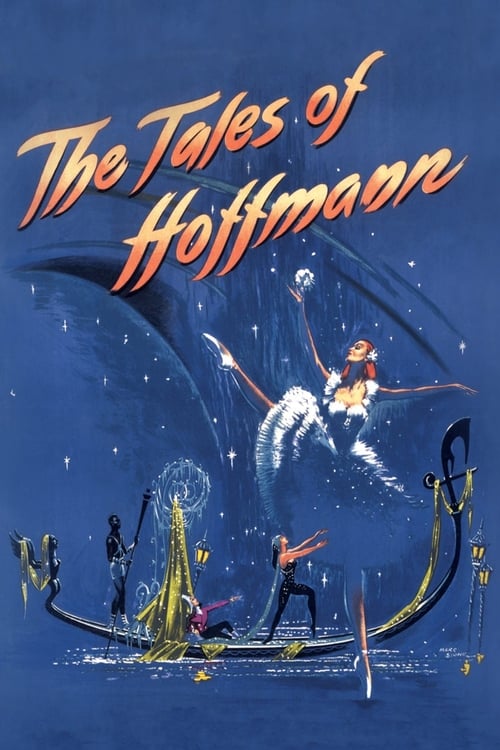
1951
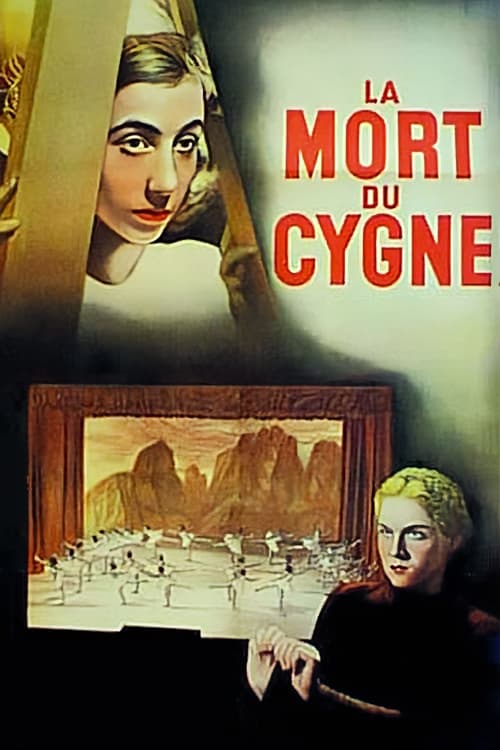
1937
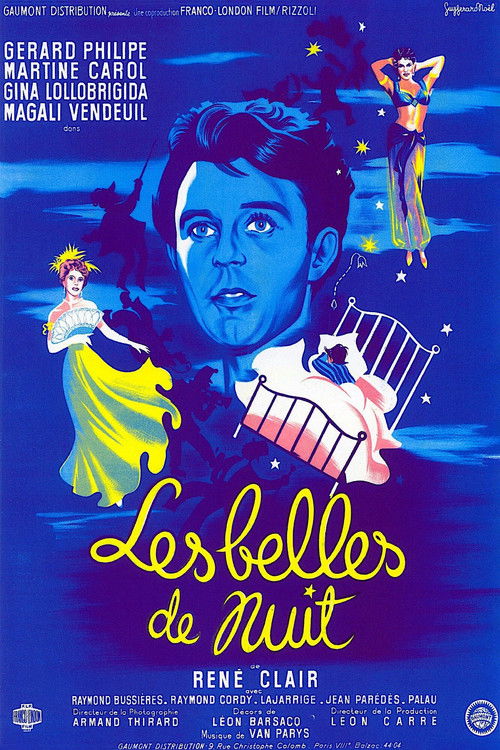
1952
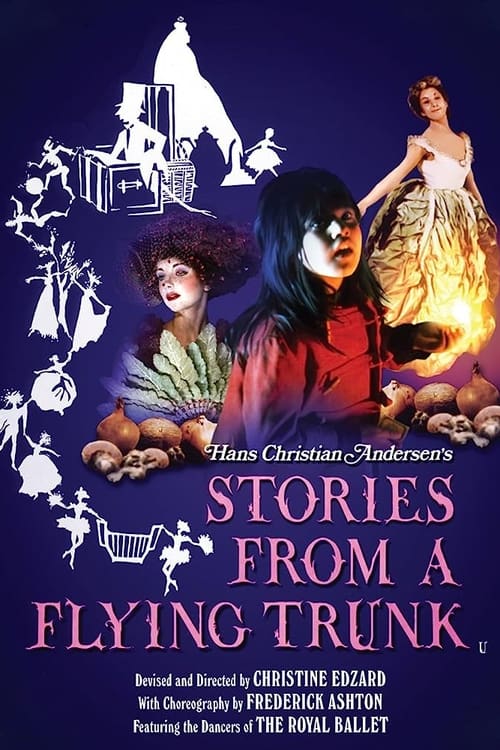
1979
1976
No reviews yet. Be the first to share your thoughts on this movie!
Use the rating form above to leave a star rating and optional review.