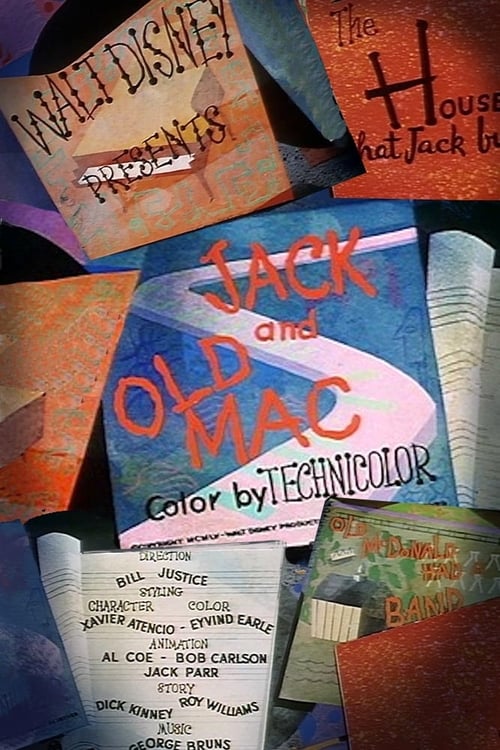
Jack and Old Mac
1956
No user ratings available yet
Diversity score: 2.0 out of 10

1979
UDirector
Christine Edzard
Runtime
88 minutes
Average Rating
No ratings yetSynopsis
A magical blend of choreography, stop-motion and live action, Stories from a Flying Trunk captures the enchantment of three classic stories from Hans Christian Andersen. Conceived, written and directed by Oscar nominated Christine Edzard and featuring the dancers of the Royal Ballet, choreographed by Frederick Ashton. The Kitchen contains household objects which come to life and hold an animated conversation. The Little Match Girl updates Andersen's heart-rending tale to London's East End in the late seventies. Little Ida is an inspired celebration of dance featuring members of the Royal Ballet.
Overall Score
Fair
Category Breakdown
LGBTQ+ Representation
The film utilizes a fantastical, non-humanoid aesthetic that avoids explicit depictions of identity. It deconstructs romantic tropes by focusing on the artifice of storytelling rather than heteronormative hierarchies.
Gender Representation
Directed by a woman, the film shifts the gaze away from male-centric myth-making. The use of Royal Ballet dancers allows for a fluid exploration of agency that subverts traditional damsel archetypes.
Racial & Ethnic Diversity
The highly stylized, puppet-like characters obscure traditional racial markers. While the setting is London's East End, the film lacks active, intentional representation of diverse ethnic identities.
Religious & Cultural Diversity
The film embraces narrative relativism by treating fairy tales as constructs. The retelling of Andersen's work moves away from didactic morality toward a more secular, sociological observation of environment.
Disability Representation
There is no explicit portrayal of characters with disabilities. The focus on the technicality of movement avoids 'inspiration porn' tropes, though the stylized characters prevent a direct assessment.
Strengths
Areas for Improvement
AI Analysis
Christine Edzard’s work is an intellectually sophisticated deconstruction of the fairy tale medium. By utilizing stop-motion, live action, and the technical mastery of the Royal Ballet, the film moves away from commercial tropes toward an avant-garde framework. While the film excels in subverting gendered archetypes through female leadership and movement-based agency, it remains limited in demographic breadth. The highly stylized, non-humanoid character designs create a neutral space that avoids stereotyping but also lacks intentional, intersectional representation. Ultimately, the film's strength lies in its postmodern approach to storytelling. It replaces traditional moralizing with a complex, subjective exploration of creator and creation, though it does not provide explicit visibility for specific marginalized identities.
No reviews yet. Be the first to share your thoughts on this movie!
Use the rating form above to leave a star rating and optional review.