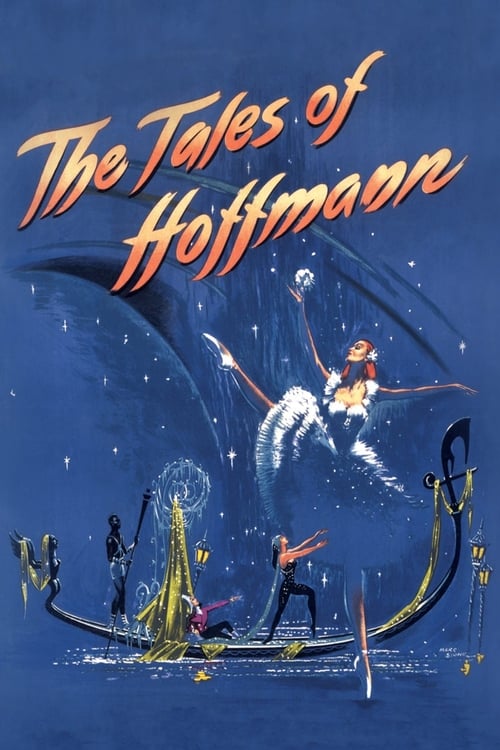
The Tales of Hoffmann
1951
No user ratings available yet
Representation score: 4.9 out of 10
Representation Score
Limited
1952
ApprovedDirector
René Clair
Runtime
87 minutes
Average Rating
No ratings yetNew Showbiz Analysis
René Clair’s film serves as a mid-century escape, using dream logic to prioritize psychological exploration. The narrative structure favors the subjective experience of a single composer over a broad, diverse social landscape. While the film's surreal framework allows for a departure from rigid historical realism, it remains constrained by the era's casting and storytelling norms. It lacks the multi-layered approach expected in modern cinema, focusing instead on aesthetic and imaginative depth. Ultimately, the work explores individual truth through fantasy, though it does not explicitly address diverse identities or social hierarchies.
Category Breakdown
The film focuses on a protagonist's internal fantasy without confirming any LGBTQ identities. Dream sequences could explore non-straight relationships, but there is no explicit evidence of such storylines.
The title and premise suggest a focus on the male perspective and the romanticization of women. However, the surreal elements might allow for challenging traditional gender roles.
Reflecting the social norms of 1952, the film likely adheres to the homogeneous casting practices typical of mid-century European cinema. There is no confirmed evidence of a multicultural cast.
The story centers on individual internal experiences rather than external social or religious structures. By focusing on a subjective daydream, the film emphasizes personal, fluid truths over historical facts.
The narrative does not include any evidence of the inclusion or depiction of physical or neurodivergent disabilities.
Present on Screen
Limited or Absent
Official Synopsis
A daydreaming French composer sees himself as a fine figure dashing through history.
1951
1955
1945

1970
1905

1953
1925

1937
No reviews yet. Be the first to share your thoughts on this movie!
Use the rating form above to leave a star rating and optional review.