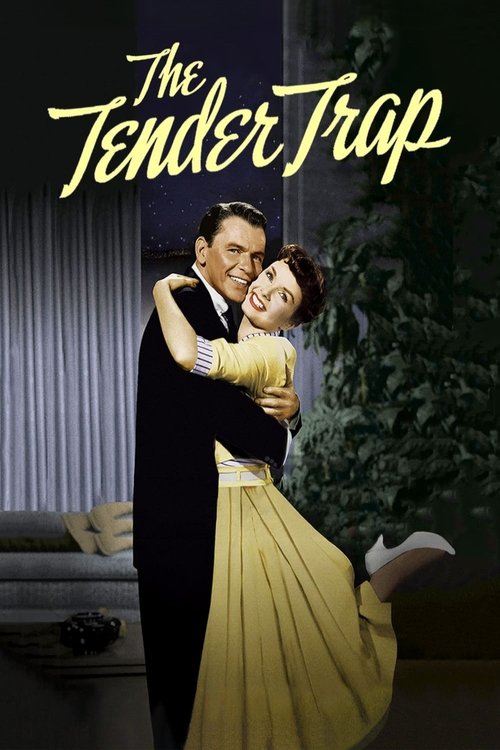
The Tender Trap
1955
No user ratings available yet
Diversity score: 1.4 out of 10
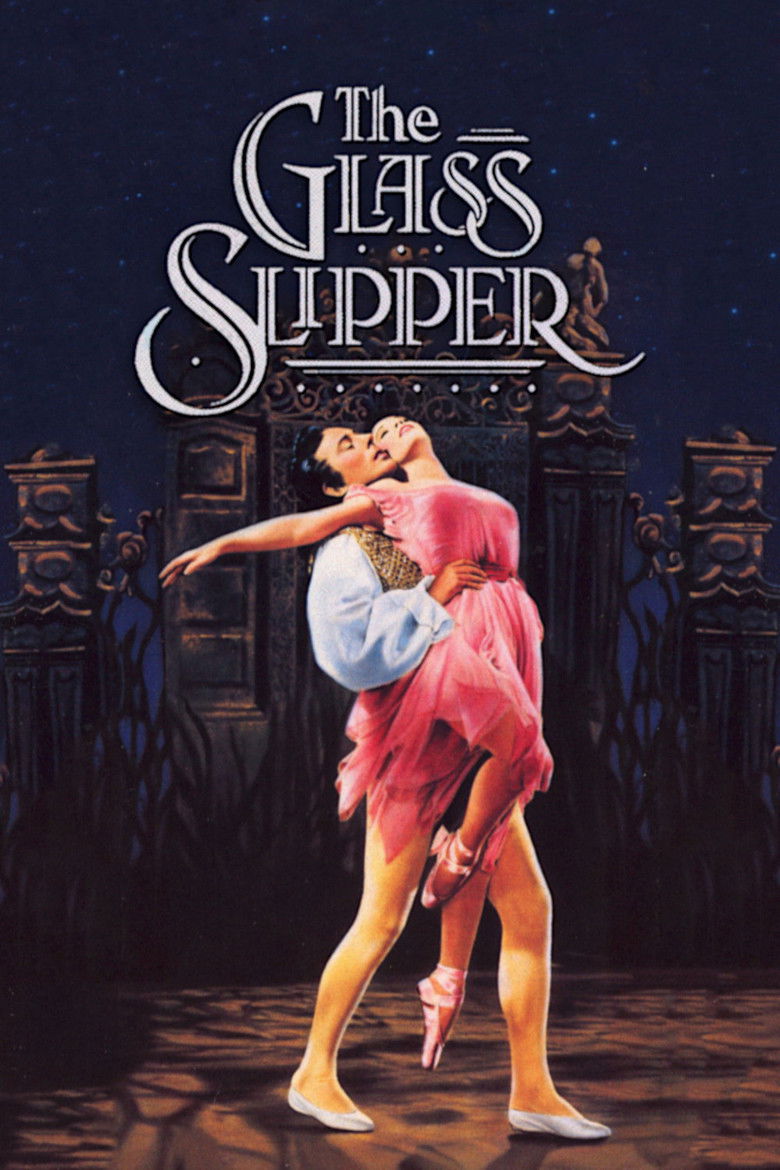
1955
UnratedDirector
Charles Walters
Runtime
93 minutes
Average Rating
No ratings yetSynopsis
In a musical retelling of the Cinderella tale, a mistreated scullery maid escapes the oppression of her stepfamily to finding love with a prince.
Overall Score
Minimal
Category Breakdown
LGBTQ+ Representation
The film operates within a strictly heteronormative framework. It lacks any presence of non-cisnormative identities or same-sex intimacy.
Gender Representation
While the protagonist shows agency through her fashion work, her resolution relies on romantic desirability. The narrative reinforces traditional mid-century gender hierarchies and masculine leadership.
Racial & Ethnic Diversity
The cast is predominantly white and Anglo-Saxon. The production lacks intentional racial blending or engagement with ethnic diversity.
Religious & Cultural Diversity
The story celebrates Western social structures and upward mobility through glamour. It reinforces class hierarchies and the stability of the nuclear romantic unit.
Disability Representation
No visible or invisible disabilities are portrayed. Characters are presented through a lens of physical perfection and aesthetic grace.
Strengths
Areas for Improvement
AI Analysis
The Glass Slipper serves as a polished example of mid-century studio escapism, prioritizing glamour and traditional narrative structures over social critique. It functions primarily to reinforce the established social and cultural norms of the 1950s. The film relies heavily on the Cinderella archetype to drive a journey of social ascension and romantic fulfillment. This focus keeps the narrative centered on conventional hierarchies of class and gender. Ultimately, the production lacks intentionality regarding intersectional representation. It presents a homogeneous view of the world that upholds Western values rather than challenging them.
1955

1962

1951

1953
No reviews yet. Be the first to share your thoughts on this movie!
Use the rating form above to leave a star rating and optional review.