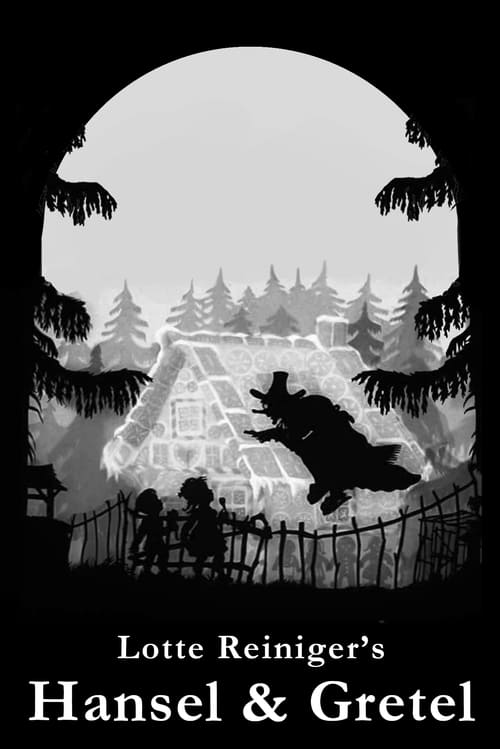
Hansel and Gretel
1954
No user ratings available yet
Representation score: 1.1 out of 10
Representation Score
Minimal
1934
ApprovedDirector
F. Lyle Goldman
Runtime
8 minutes
Average Rating
No ratings yetNew Showbiz Analysis
Produced for Metropolitan Life Insurance, this 1934 animation serves as a tool for cultural cohesion. The narrative structure prioritizes institutional stability and conventional social values over diverse identities. The film reinforces established Western norms and traditional hierarchies. It lacks the disruption of clichés necessary to represent diverse identities, instead focusing on the preservation of social and financial order. Ultimately, the work reflects the homogeneous casting and rigid social structures of its era, functioning more as a corporate endorsement of stability than a diverse creative expression.
Category Breakdown
The film does not include any queer narratives or non-binary identities. It follows the straight and cisgender norms typical of 1930s corporate media.
The characters' roles likely adhere to traditional gender hierarchies. The animation reinforces patriarchal leadership and domestic femininity without challenging these roles.
The work likely centers Anglo-Saxon norms as the default social standard. There is no indication of diverse character roles or race-bent casting.
The narrative focuses on preserving traditional Western institutions and the nuclear family. It functions as an endorsement of capitalist stability and social order.
There is no documented evidence regarding the portrayal of neurodivergence or physical disabilities in this short.
Present on Screen
Limited or Absent
Official Synopsis
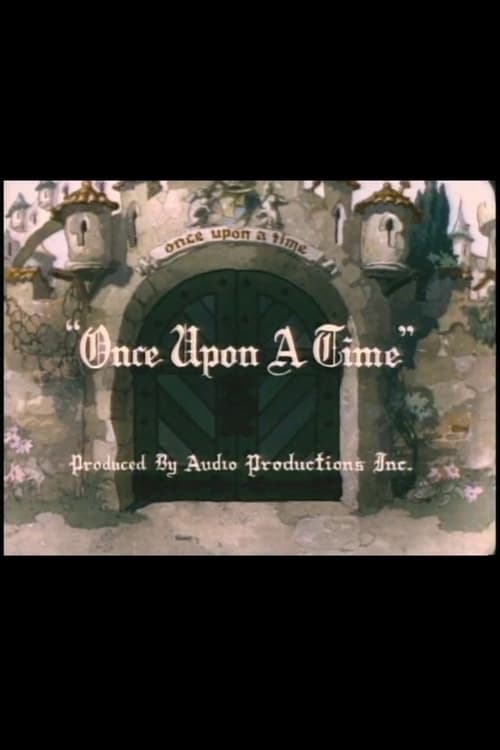
This was made for Metropolitan Life Insurance in 1934, by New York based Audio Productions. Directed by F. Lyle Goldman.
1954
1955

1921
1944
1922
1932
1934
1954
No reviews yet. Be the first to share your thoughts on this movie!
Use the rating form above to leave a star rating and optional review.